.webp)
Burning fat without losing muscle is a body recomposition strategy. It's focused on creating a caloric deficit to shed fat while using targeted nutrition and resistance training to signal your body to preserve valuable, metabolically active muscle tissue.
- Prioritize a high-protein diet to supply the amino acids for muscle repair, which crucially signals your body to preserve lean tissue during a calorie deficit.
- Implement consistent resistance training to stimulate muscle fibers, sending a powerful signal to your body that this tissue is essential and must be preserved.
- Maintain a moderate calorie deficit, as overly aggressive dieting can trigger muscle breakdown for energy and ultimately slow down your overall metabolism.
- Prioritize quality sleep and manage stress, as elevated cortisol levels from both can accelerate muscle breakdown while encouraging stubborn fat storage.
The Real Goal Isn't Just Weight Loss—It's Body Recomposition
Let's be honest. We've all been there—staring at the scale, praying for a number that validates all our hard work. But what happens when the number barely moves, even though your clothes feel looser? It’s frustrating. The reality is, that number on the scale tells a very small, and often misleading, part of your story. It can't distinguish between a pound of fat and a pound of hard-earned muscle. The true goal for lasting change isn't just weight loss; it's body recomposition. Why Chasing "Weight
So, What is Body Recomposition, Anyway?
Simply put, body recomposition is the process of changing your body's ratio of fat to muscle. It’s about increasing your lean muscle mass while simultaneously decreasing your body fat percentage. Think of it this way: instead of just shrinking your body, you're rebuilding it. You could weigh the exact same but look and feel completely different. Why? Because a pound of dense, compact muscle takes up far less space than a pound of fluffy fat. This is the secret to achieving that "toned" look so many of us are after.
This approach is fundamentally about health. More muscle mass boosts your resting metabolic rate, meaning you burn more calories even when you're not working out.It's a powerful tool for improving your overall metabolic health. The focus shifts from just "losing" to building a stronger, more efficient body. It’s a game-changer for long-term success.
Why Chasing "Weight Loss" Can Backfire
When the sole focus is dropping pounds quickly, we often resort to extreme calorie cutting and excessive cardio. This can work—temporarily. But this approach often forces your body to shed muscle right along with fat. Losing precious muscle is a huge mistake. It slows your metabolism, making it progressively harder to lose fat and much easier to regain it later. Have you ever wondered why rebound weight gain is so common after a crash diet? This is a big reason why.
This cycle is the opposite of sustainable fitness. A smarter strategy is to adopt a holistic and sustainable approach. This might involve using targeted Metabolic Reset Methods that focus on optimizing your body's systems rather than just starving them. The goal is to strategically burn fat not muscle, setting you up for a lifetime of health, not just a few weeks of being smaller.
How to Achieve True Body Recomposition
Achieving body recomposition requires a two-pronged attack: smart resistance training and dialed-in nutrition. You can't just do one without the other and expect stellar results.
First, resistance training is non-negotiable. Lifting weights sends the signal to your body to build or at least preserve lean muscle, even when you're in a calorie deficit for fat loss. This is where well-structured, Science-Based Fitness Programs become invaluable. For instance, platforms like the Original Body Mobile App provide Expert-Guided Programs that ensure you're training effectively and safely to build that essential muscle.
Second, nutrition has to be on point. You need enough protein to fuel muscle repair and a modest calorie deficit to encourage fat loss. It’s a delicate balance. This is where generic meal plans fail. Working with a professional through Personalized Nutrition Coaching can help you create a plan that fits your body and lifestyle. For those on a specific timeline, a structured plan like an 8-Week Fat Loss Program combines both of these elements with the accountability of Fitness Coaching, guiding you every step of the way. It’s about working smarter, not just harder.
Fueling the Fire: How to Eat for Fat Loss Without Starving Your Muscles
Let’s be real. You’ve probably tried a diet that left you feeling hungry, weak, and defeated. The scale might have budged, but you lost that strong, toned look you were working so hard for. What gives? The reality is that aggressive dieting often burns through precious muscle mass right along with fat. This not only sabotages your physique but can also slow your metabolism. The key isn't to starve yourself—it's to get smarter with your fuel. Eat for Fat Loss
The goal is to make strategic nutrition choices that signal to your body: "Hey, burn this fat for energy, but leave my muscles alone!" It’s a delicate balance, but it's absolutely achievable.
The "Gentle Deficit" Difference
Fat loss always starts with a calorie deficit. Simply put, you need to consume slightly fewer calories than your body burns. But here’s the thing: a massive deficit is a red flag for your body. It can trigger survival mode, leading it to avoid muscle breakdown by holding onto fat and sacrificing metabolically active muscle tissue instead. Not what we want.
Instead, we aim for a gentle calorie deficit of around 300-500 calories per day. This small, consistent gap is enough to encourage fat loss without sending panic signals. It's the sustainable foundation for losing fat while preserving—and even building—lean muscle.
Your Muscle-Sparing Toolkit
Once your gentle deficit is set, the magic happens in how you arrange your macronutrients. It’s not just about calories; it’s about what those calories are made of. Your focus should be on a few key areas.
Prioritize Your Protein Intake
Protein is your non-negotiable ally. A higher protein intake is crucial during a fat loss phase for several reasons. It helps you feel fuller for longer, reducing cravings. Most importantly, it provides the amino acids necessary to support muscle repair and growth after workouts. Aiming for 1.6-2.2 grams of protein per kilogram of body weight is a solid target for active individuals, according to research.
Leverage Carbs and Fats for Fuel
Carbohydrates and fats are not the enemy! They are your primary energy sources. Consuming enough carbs from whole foods—like oats, sweet potatoes, and fruit—will fuel your workouts. Healthy fats from sources like avocado and nuts are vital for hormone function. The right balance of these macronutrients ensures you have the energy to train hard, which is essential for telling your body to keep its muscle.
Think About Nutrient Timing and Hydration
While what you eat overall is most important, nutrient timing can give you an edge. Consuming a mix of protein and carbs before and after your workout can enhance performance and recovery. And don't forget hydration. Water is critical for metabolic function and performance. Even slight dehydration can tank your energy and strength in the gym.
Making It Simple and Sustainable
Look, we get it. Juggling all of this can feel like a full-time job. How do you figure out your exact needs? That’s where expert guidance makes all the difference. Instead of guessing, you can lean on systems designed to do the heavy lifting for you. For instance, our Personalized Nutrition Coaching crafts a plan tailored specifically to your body and lifestyle.
Many people find success with structured, Science-Based Fitness Programs that build these principles right in. Our 8-Week Fat Loss Programs, for example, combine effective workouts with a nutrition framework to ensure you’re fueling correctly. With Expert-Guided Programs and tools like the Original Body Mobile App to track your progress, you're never left on your own. It's about creating a system that works for you, so you can focus on getting results.
Smart Moves: The Best Exercises to Torch Fat and Keep Muscle
So, you want to lose fat. What's the first thing that comes to mind? Probably spending endless, mind-numbing hours on a treadmill, right? For decades, we've been told that cardio is the king of fat loss. But the reality is, that’s only a tiny piece of a much bigger, more effective puzzle. If you want to lose fat and—crucially—keep it off, you need a smarter strategy. It's time to rethink your approach and build a body that's a fat-burning machine 24/7.
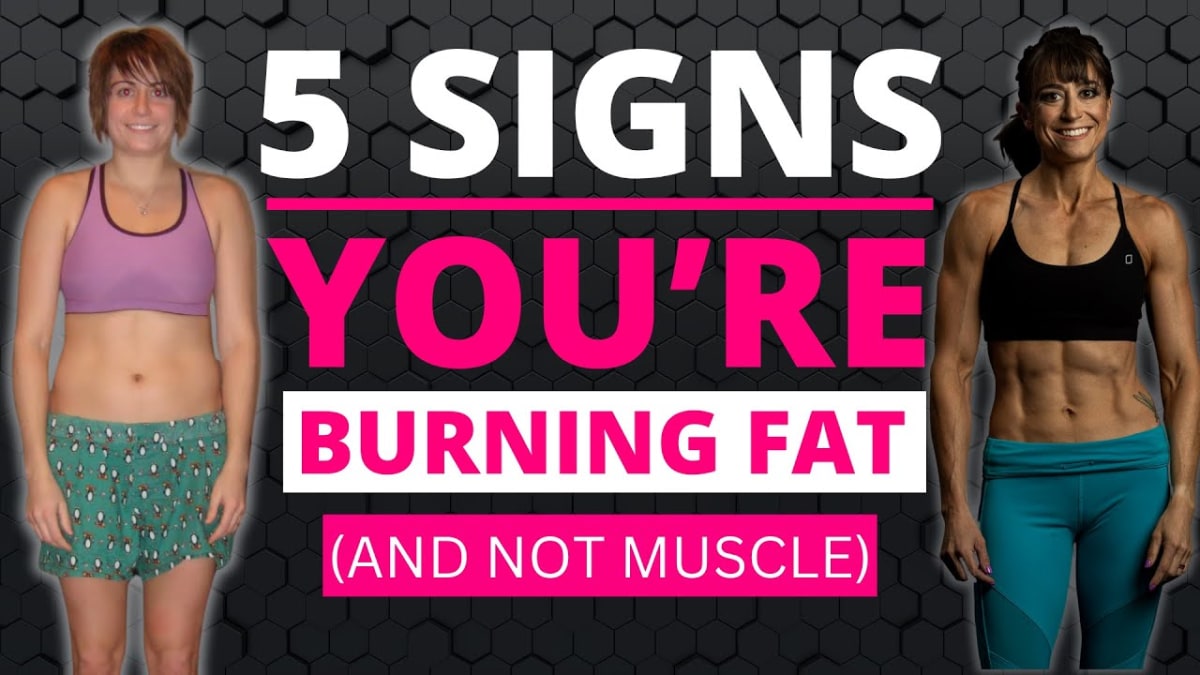
The truth is, while cardio burns calories while you're doing it, the real magic happens when you build and maintain lean muscle. This is where your focus should be.
Why You Must Prioritize Resistance Training
Look, the goal isn't just weight loss; it's fat loss. There's a huge difference. When you diet without the right exercise, you risk losing precious muscle along with fat. This is a problem. Muscle is your metabolic engine. The more you have, the more calories your body burns at rest.Losing it can slow your metabolism, making future fat loss harder.
This is why you need to prioritize resistance training. Activities like weightlifting—often called strength training—send a powerful signal to your body. They tell it to hold onto muscle tissue, even when you're in a calorie deficit. This ensures the weight you lose is primarily from fat, not from your hard-earned muscle.
The "How-To": Compound Lifts and Progressive Overload
Okay, so what does effective resistance training look like? You don't need to spend hours in the gym. Instead, focus on efficiency with compound exercises. These are multi-joint movements that work several muscle groups at once. Think squats, deadlifts, bench presses, and overhead presses. They give you the most bang for your buck and are foundational for building strength.
But just doing the exercises isn't enough. You need to apply the principle of progressive overload. This simply means you must continually challenge your muscles to get stronger over time. You can do this by lifting slightly heavier, doing more reps, or improving your form. This constant challenge is what forces your muscles to adapt and stimulate muscle growth.
Structuring this can feel overwhelming. That’s where expert-guided programs, like those in the Original Body Mobile App, become invaluable. They map out your entire journey, ensuring you’re applying progressive overload correctly in effective workout routines.
Finding Cardio's Sweet Spot
Now, this doesn't mean you should ditch cardio entirely. Cardiovascular exercise is fantastic for your heart health and can help increase your calorie deficit. The key is to use it as a tool, not as your primary fat-loss strategy. A couple of sessions per week is plenty.
Consider adding low-impact cardio like incline walking, cycling, or using the elliptical. These options are easier on your joints and won't interfere with your recovery from strength training. They get your heart rate up without adding excessive stress to your body.
Your Secret Weapon: NEAT
Here's something most people completely ignore: NEAT (Non-Exercise Activity Thermogenesis). This is the energy you burn from all the movement you do that isn't formal exercise.Think walking the dog, taking the stairs, fidgeting, or even doing chores.
Increasing your NEAT is a ridiculously simple and effective way to burn more calories throughout the day. It doesn't require gym clothes or a membership. Just move more. Park farther away. Take a walking break every hour. It all adds up—big time.
A truly holistic plan combines all these elements. Comprehensive Science-Based Fitness Programs, like Original Body’s 8-Week Fat Loss Programs, integrate smart strength training, strategic cardio, and lifestyle habits to boost NEAT. Paired with Personalized Nutrition Coaching, it's a powerful formula for sustainable fat loss and a complete body transformation.
The Unspoken Saboteurs: Busting Common Myths About Fat and Muscle
Let's be real. The fitness world is flooded with advice. It feels like every day there's a new "hack" or "secret" to getting in shape. But here's the thing—many of these popular tips are just common fitness myths in disguise. They're the unspoken saboteurs derailing your progress. It's time we started separating fact from fiction. Instead of chasing quick-fix solutions, we need to build our strategy on a solid, evidence-based approach.
So, are you ready to bust some of the biggest fat loss myths out there? Let’s dive in.
Myth #1: You Can Target Fat Loss with Specific Exercises
Ah, the myth of spot reduction. You've definitely heard it. "Do 1,000 crunches for a flat stomach!" or "Tricep dips will melt away arm fat." It sounds great, but your body just doesn't work that way. You can't pick and choose where you lose fat. When you burn calories, your body draws energy from fat stores all over—not just from the muscle you're working. The only real solution is consistent, overall fat loss through a combination of proper nutrition and full-body exercise.
This is why structured plans are so effective. For example, comprehensive 8-Week Fat Loss Programs focus on total-body conditioning and caloric deficit. They don't waste your time on ineffective spot-training. They work because they align with how your body actually functions.
Myth #2: Weightlifting Makes Women Bulky
This one needs to go. The fear that touching a dumbbell will instantly make you look like a bodybuilder is one of the most persistent fat loss myths. The reality is, building significant muscle mass is incredibly difficult, especially for women. It requires a specific hormonal profile and a massive caloric surplus.Women typically have much lower testosterone levels than men, making it tough to "bulk up."
Actually, weightlifting is a powerful tool for creating a lean, toned physique. Building muscle increases your resting metabolism, meaning you burn more calories even when you're not working out. It's a key component in any smart, science-based fitness program designed for sustainable body composition changes.
Myth #3: Fasted Cardio is a Fat-Burning Magic Bullet
Waking up early to hit the treadmill on an empty stomach—is it worth it? The logic behind fasted cardio is that your body will tap into fat stores for fuel since glycogen is low. And while you might burn a slightly higher percentage of fat *during* that one session, the bigger picture tells a different story. Studies show that when measured over a 24-hour period, there's no significant difference in total fat loss between fasted and fed cardio.Ultimately, total daily calorie balance is what dictates fat loss.
The bottom line? The best time to do cardio is whenever you can do it consistently. Don't force yourself into a routine you hate based on a myth. An effective fitness journey is built on sustainable habits, not uncomfortable shortcuts. This is where expert guidance from personalized fitness coaching can help you find what truly works for your body and schedule, which you can often access through platforms like the Original Body Mobile App.
Beyond the Gym & Kitchen: The Deep Connection Between Stress, Sleep, and Your Body
You're crushing your workouts. You’re tracking your macros. So why isn’t the scale moving, and why do you feel so drained? The reality is, what happens outside the gym and kitchen matters just as much—if not more. The invisible forces of stress and sleep are powerful players in your body transformation journey. They can either supercharge your results or completely sabotage them.
Let's be honest, we often treat these as "soft" metrics. But the science is clear. Ignoring them is like trying to build a house on a shaky foundation. It just won't work long-term.
The Stress Sabotage: How Cortisol Derails Your Progress
Look, a little stress is normal. It helps you meet deadlines and react quickly. The problem is the impact of chronic stress, the kind that never seems to let up. This constant pressure keeps your body in a "fight-or-flight" state. Your adrenal glands pump out cortisol, a hormone that, in overdrive, becomes your worst enemy. It signals your body to store fat, particularly around your abdomen.It can also break down muscle tissue and disrupt your appetite.
This isn't just about willpower; it's about biology. Proper nervous system regulation is crucial for shifting out of that stressed state. When your system is constantly on high alert, achieving hormonal balance becomes nearly impossible. You're fighting an uphill battle against your own biochemistry.
Why Your Body Needs Deep, Restorative Sleep
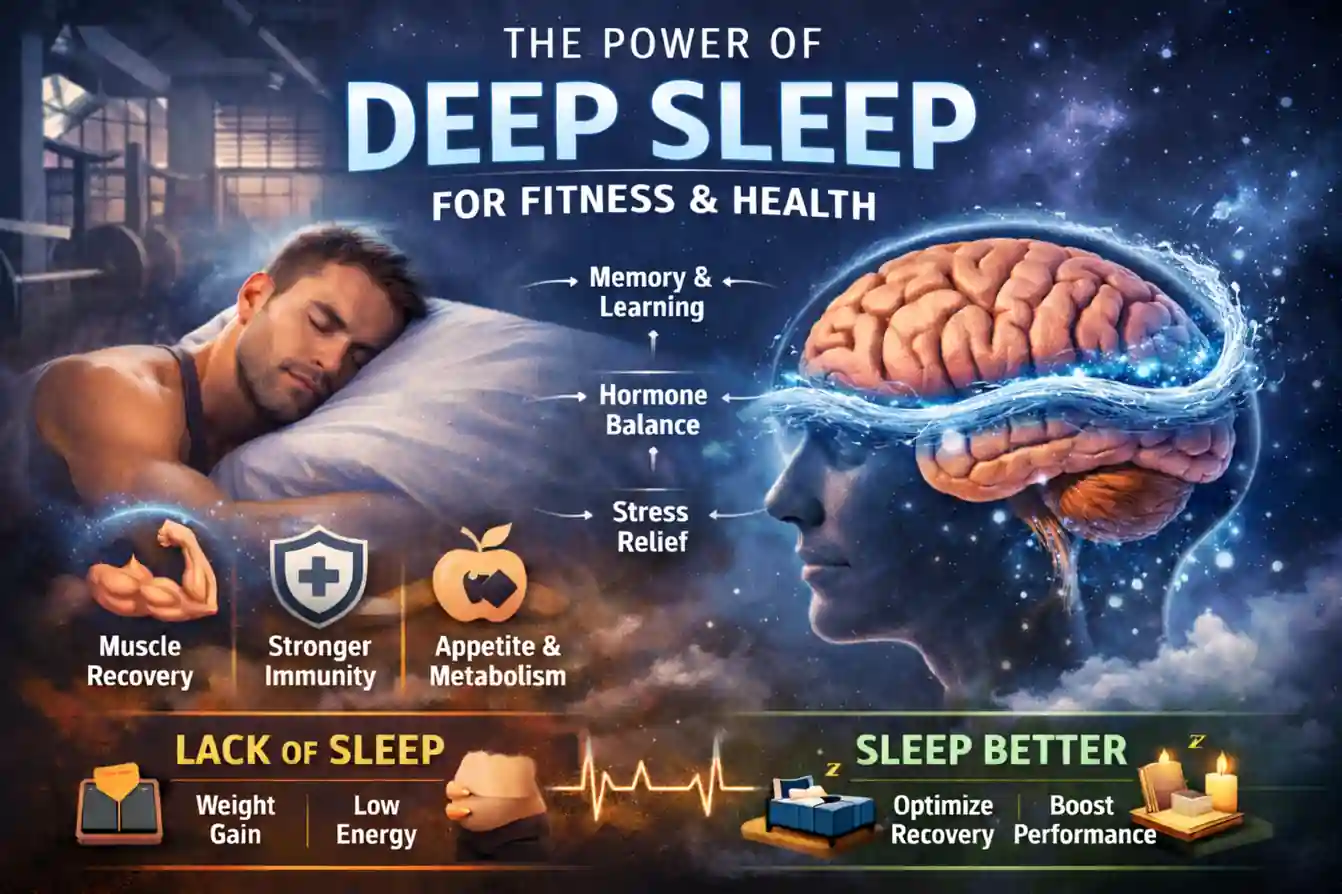
Ever notice how you crave junk food after a bad night's sleep? That's not a coincidence. Poor sleep quality throws your hunger hormones—ghrelin and leptin—completely out of whack.Ghrelin (the "I'm hungry" hormone) spikes, while leptin (the "I'm full" hormone) plummets. The result? You feel hungrier and less satisfied after eating.
You simply have to prioritize quality sleep. It's during these crucial hours that your body repairs muscle, consolidates memory, and flushes out metabolic waste. Skimping on sleep is a direct way to increase cortisol, stall fat loss, and reduce systemic inflammation. It’s a non-negotiable pillar of health.
Bridging the Gap with the Mind-Body Connection
So, how do we fix this? The answer lies in strengthening the mind-body connection. This isn't just feel-good wellness talk; it’s a practical strategy. Techniques that focus on stress management are essential. This can include meditation, deep breathing exercises, or even practices like somatic healing, which helps release trapped stress from the body physically.
The goal is to teach your nervous system that it’s safe to relax. When you do, your body can finally exit survival mode and focus on recovery and growth. This is where many people see a breakthrough—when they start training their mind as intentionally as they train their muscles.
A Holistic Strategy for Real Results
Integrating these elements can feel overwhelming. Where do you even start? This is where a structured, holistic approach becomes invaluable. Modern fitness solutions are moving beyond simple workout plans. For example, the Science-Based Fitness Programs offered by Original Body often incorporate lifestyle guidance on sleep hygiene and stress reduction alongside exercise and nutrition.
Having an expert in your corner makes a huge difference. Services like Fitness Coaching or Personalized Nutrition Coaching can help you build these habits into your life. An expert can guide you through a Metabolic Reset Method that considers your stress levels, not just your calorie intake. Platforms like the Original Body Mobile App provide a single place to track workouts, nutrition, and even lifestyle factors like sleep—making it easier to see the full picture of your health. These Expert-Guided Programs provide the accountability and strategy needed to truly transform your body and mind.
Key Takeaways
- Prioritize body recomposition over weight loss to increase lean muscle, which boosts resting metabolic rate and creates a toned, metabolically healthier body.
- To burn fat not muscle, maintain a gentle calorie deficit of 300-500 calories daily to encourage fat loss without triggering muscle breakdown.
- Consume 1.6-2.2 grams of protein per kilogram of body weight daily as a key nutrition strategy to fuel muscle repair and preservation.
- Implement resistance training with compound lifts and progressive overload to effectively signal your body to burn fat not muscle during a calorie deficit.
- Use expert-guided plans like Original Body’s 8-Week Fat Loss Program to combine science-based fitness with personalized nutrition for structured, sustainable results.
Frequently Asked Questions
What is body recomposition and how is it different from just weight loss?
Body recomposition is the process of changing your body's ratio of fat to muscle, aiming to decrease body fat while increasing or maintaining lean muscle mass. Unlike traditional weight loss, which doesn't distinguish between fat and muscle loss, body recomposition focuses on rebuilding your body. This is why you might not see a big change on the scale, but your clothes fit better, as a pound of dense muscle takes up less space than a pound of fat, leading to a more 'toned' look.
What is the most important type of exercise if you want to burn fat not muscle?
The article states that resistance training is non-negotiable for preserving muscle during fat loss. Lifting weights stimulates muscle fibers, sending a powerful signal to your body that this tissue is essential and must be preserved, even while you are in a calorie deficit. This prevents your body from breaking down valuable, metabolically active muscle for energy. The article emphasizes this over relying solely on excessive cardio, which can lead to muscle loss.
Why is an extreme low-calorie diet a bad strategy to burn fat not muscle?
An overly aggressive or extreme calorie deficit can backfire by forcing your body to shed precious muscle along with fat for energy. This is a critical mistake because losing muscle slows down your metabolism, making it harder to lose fat in the long run and much easier to regain weight later. The article advocates for a 'gentle deficit' to encourage sustainable fat loss while providing enough energy and nutrients to preserve muscle mass.
How does a high-protein diet help preserve muscle while in a calorie deficit?
A high-protein diet is crucial because it supplies the amino acids your body needs for muscle repair and maintenance. When you are in a calorie deficit to lose fat, providing your body with sufficient protein sends a strong signal to preserve existing lean tissue instead of breaking it down for energy. This nutritional strategy is a key component of the 'muscle-sparing toolkit' mentioned in the article, ensuring fat is the primary fuel source being burned.
Besides diet and exercise, what other factors can sabotage fat loss and cause muscle breakdown?
The article highlights the deep connection between your body and factors like stress and sleep. Unmanaged stress and poor-quality sleep can sabotage your progress by elevating cortisol levels. High cortisol is detrimental because it can accelerate muscle breakdown while simultaneously encouraging your body to store stubborn fat. Therefore, managing stress and prioritizing deep, restorative sleep are essential for successful body recomposition.