.webp)
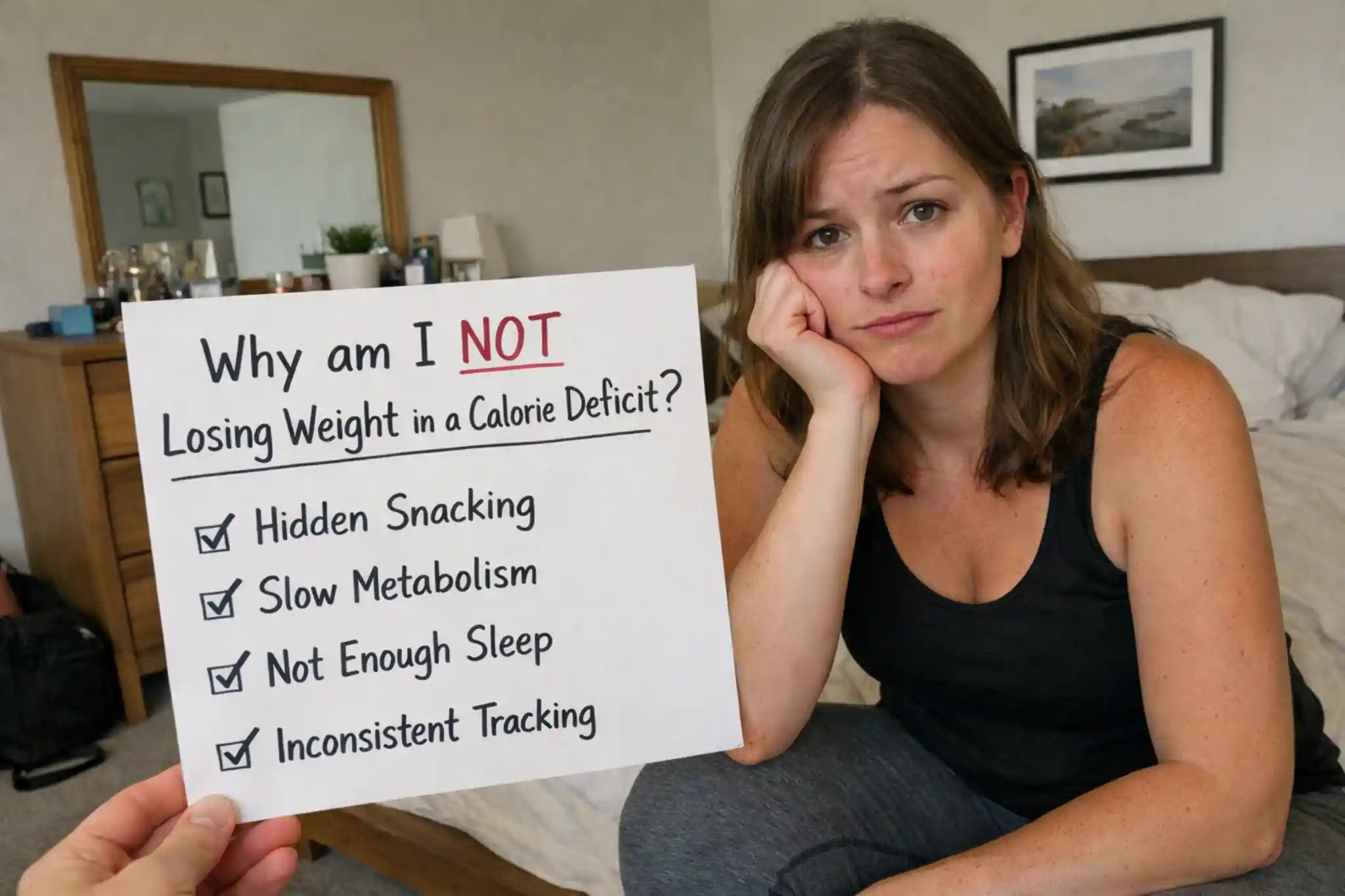
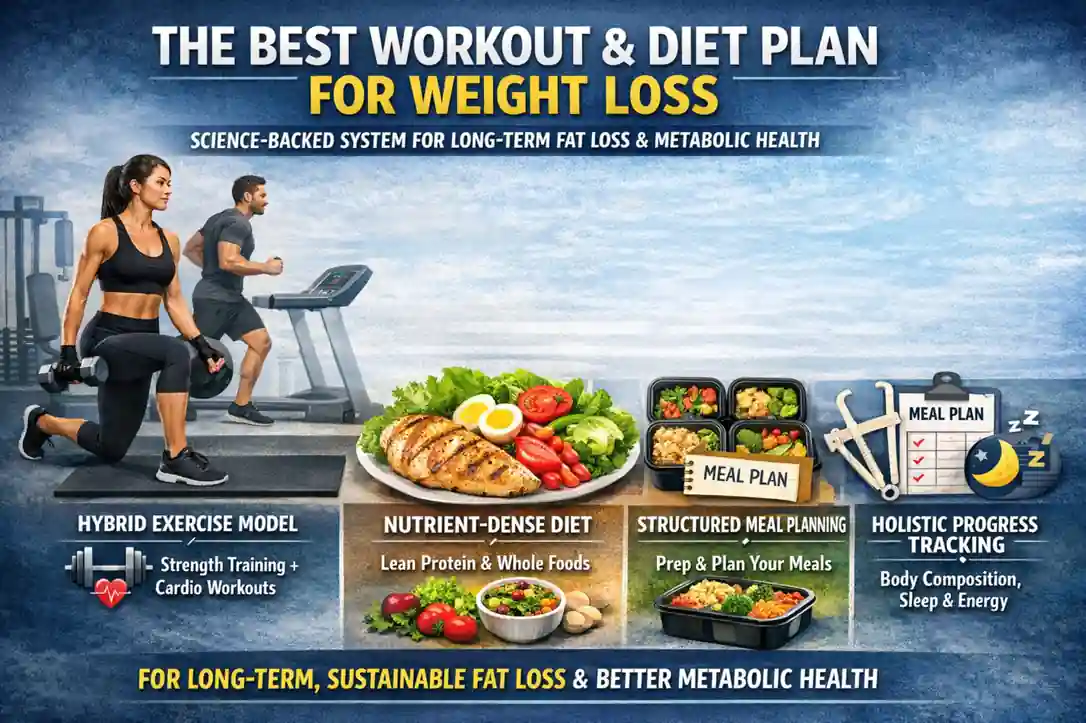
A calorie deficit is the core principle of weight loss, where you consistently consume fewer calories than your body burns. If the scale isn't moving despite your efforts, it's often because complex physiological factors beyond simple math are stalling your progress.
Inaccurate Calorie Tracking: You might be miscalculating your actual food intake or underestimating portion sizes, which can easily and unintentionally erase your intended deficit.
Metabolic Adaptation: Your metabolism can slow down over time as your body adapts to lower calorie intake, making your initial deficit less effective for fat loss.
Non-Linear Progress: Weight loss isn't a straight line; water retention from salty meals, hormonal fluctuations, or even new workout stress can temporarily mask fat loss.
Lifestyle and Hormone Factors: Not eating enough protein or getting poor-quality sleep can increase the stress hormone cortisol, which encourages fat storage and works against your goals.
Who should use this: Individuals who are tracking calories but feel stuck and are now seeking a structured, science-backed methodology to overcome a frustrating weight loss plateau.

Introduction
The Most Frustrating Feeling in Fitness
Let's be real for a second. You’re doing everything you're "supposed" to do. You diligently track your meals, hit your workouts, and you’re positive you’re in a calorie deficit. But when you step on the scale… nothing. Or worse, the number goes up. The feeling is pure frustration, and it’s enough to make anyone want to throw in the towel. If you've ever thought, "I'm doing it all right, so why am I not losing weight?"—you’re definitely not alone. It’s one of the most common hurdles on any fitness journey.
The classic advice of simply "eating less and moving more" is a great starting point. For many, it works wonders initially. But our bodies are incredibly smart and adaptive. After a while, they can fight back, leading to the dreaded weight loss plateau. This is where the simple math starts to feel like a lie. The truth is, long-term success requires a more nuanced, science-backed approach that goes beyond a basic calculator.
Moving Beyond the Basic Formula
So, what gives? Why does a proven method suddenly stop working? The answer is complex. It involves hormones, metabolic adaptation, and even the type of food you're eating. Here at Original Body, our founder, Christian, has spent years helping people break through these exact walls. He understands that achieving sustainable results means working *with* your body, not against it. It's about upgrading your strategy when the old one runs its course.
The good news is that you have options. You don't have to stay stuck. A well-designed, science-based fitness program can make all the difference. For instance, structured plans like an 8-Week Fat Loss Program or techniques from Metabolic Reset Methods are designed specifically to overcome these plateaus. Plus, getting guidance from an expert can be a game-changer. That's why services like Personalized Nutrition Coaching and other Expert-Guided Programs exist—to give you a clear path forward. You can often find these resources in dedicated platforms like the Original Body Mobile App.
In this article, we're going to dive deep into the real reasons you might be stuck. We'll unpack the science behind a calorie deficit that doesn't seem to be working. More importantly, we'll give you actionable strategies to kickstart your progress again. It’s time to turn that frustration into fuel and get the results you’ve been working so hard for. Let's get started.
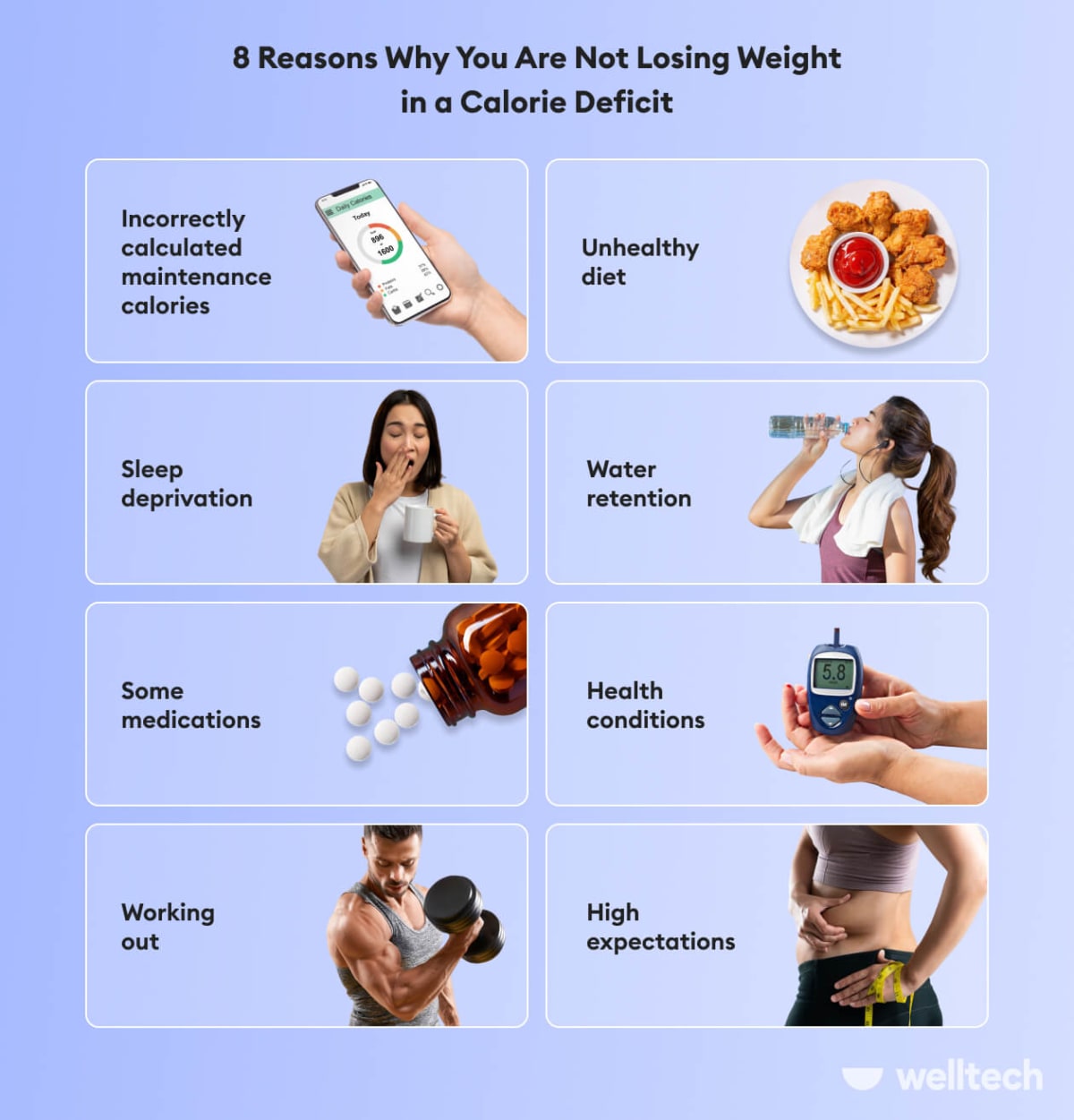
How It Works
Ever feel like you're spinning your wheels at the gym? You eat "healthy," you work out, but the scale just won't budge. It’s frustrating. The reality is, most generic fitness plans fail because they aren't designed for your body or your life. We get it. That's why we built a system based on a proven methodology that goes way beyond calorie counting. It's about working smarter, not just harder.

Our goal is to help you transform your body naturally. Forget about endless cardio and restrictive diets that leave you feeling drained. We focus on a holistic and sustainable approach that resets your body from the inside out. Ready to see how it’s done? Let's break it down.
Step 1: Your Personalized Blueprint
Look, a cookie-cutter plan gets you cookie-cutter results. That's why everything starts with you. We don't hand you a generic workout and wish you luck. Instead, we create a truly personalized plan tailored to your specific goals, body type, and lifestyle. This isn't just about exercise; it’s a complete roadmap.
Through our Personalized Nutrition Coaching, we figure out exactly what your body needs to thrive. We’ll craft a plan that fuels your workouts and supports your metabolism. Your entire blueprint—workouts, nutrition, and progress tracking—lives inside the Original Body Mobile App, making it super easy to follow along and stay on track. No more guesswork. Just a clear path forward.
Step 2: The Science-Backed Engine
Here's the thing—once your plan is set, the real magic begins. Our Science-Based Fitness Programs are the engine that drives your transformation. We use proven techniques designed to optimize your hormones and fire up your metabolism. It’s about creating the right internal environment for fat loss and muscle growth. This is how you finally overcome these plateaus that have been holding you back.
A core part of this is our metabolic reset method. We use specific training and nutrition protocols to teach your body to burn fat more efficiently. Our popular 8-week fat loss program is a perfect example of this in action. It’s an intense, focused plan that delivers serious results by systematically resetting how your body uses energy. Studies show that structured, high-intensity programs can significantly improve body composition in just weeks.
Step 3: Structured Guidance & Real Accountability
So, you have a great plan. But what happens when life gets in the way or your motivation dips? That's where our secret weapon comes in: support. You're never going it alone. Our system is built on structured guidance and real human connection. This isn't just an app; it's a full support system.
All of our expert-guided fitness programs come with professional oversight. Our coaches provide the accountability you need to stick with it—even on the tough days. They'll monitor your progress, answer your questions, and give you the push you need to keep going. This combination of a great plan and real support is what makes the difference. It’s what makes this a lifestyle, not just a temporary fix.
Expert Tips
Look, it's frustrating. You’re putting in the work, but the scale just won’t budge. You feel like you’re doing everything right, but the results aren't showing up. Sound familiar? The reality is, many people get stuck in a cycle of trying hard without a clear, effective strategy. It’s time to stop spinning your wheels and start making progress that actually lasts. We asked the experts for their best advice, and it’s simpler than you think.
Here are some powerful, actionable steps to take today.
Nail the Fundamentals First
Before you even think about complicated diets or extreme workouts, you have to master the basics. "So many people jump to advanced techniques without having a solid foundation," says Christian, a Certified Personal Trainer. "It's like trying to build a house on sand." Focus on these core pillars first, and you’ll build a body that’s primed for fat loss and long-term health.
Embrace Strength Training
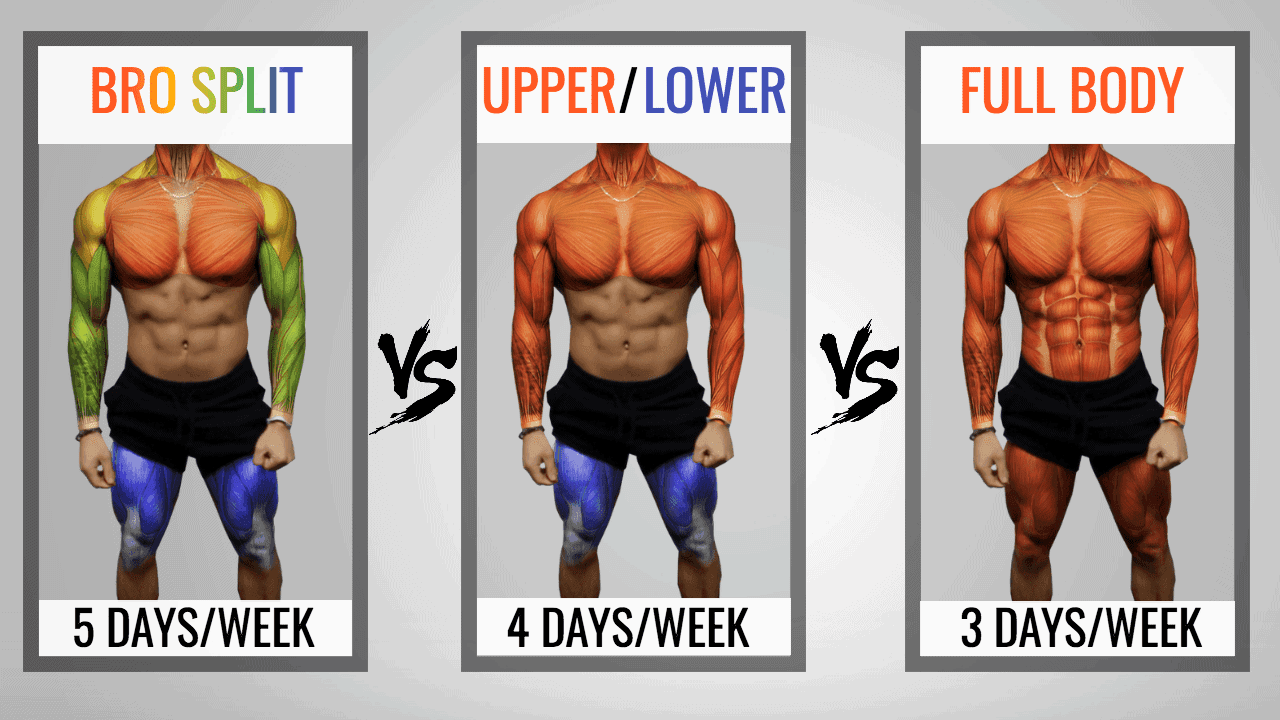
If your goal is fat loss, cardio alone isn't the answer. The real game-changer is strength training. Building lean muscle is one of the most effective ways to boost your metabolism. Why? Because muscle tissue burns more calories at rest than fat tissue does.More muscle means you’re burning more calories 24/7, even when you're just watching TV. You don't have to live in the gym, but consistent, progressive resistance training is non-negotiable.
Boost Your Protein and Hydration
You can't out-train a bad diet. A higher protein intake is crucial for repairing the muscle you break down during workouts. Plus, it’s incredibly satiating, which helps you feel fuller for longer and reduces cravings. And don't forget hydration! Drinking enough water is one of the easiest and most overlooked ways to support your metabolism and overall health. Aim for a big glass of water first thing in the morning.
Mindset and Lifestyle Tweaks That Actually Work
What you do outside the gym matters just as much as what you do inside it. Your daily habits, from sleep to how you eat, create the environment for your body to either thrive or struggle. Let's fine-tune them.
Prioritize Sleep for Fat Loss
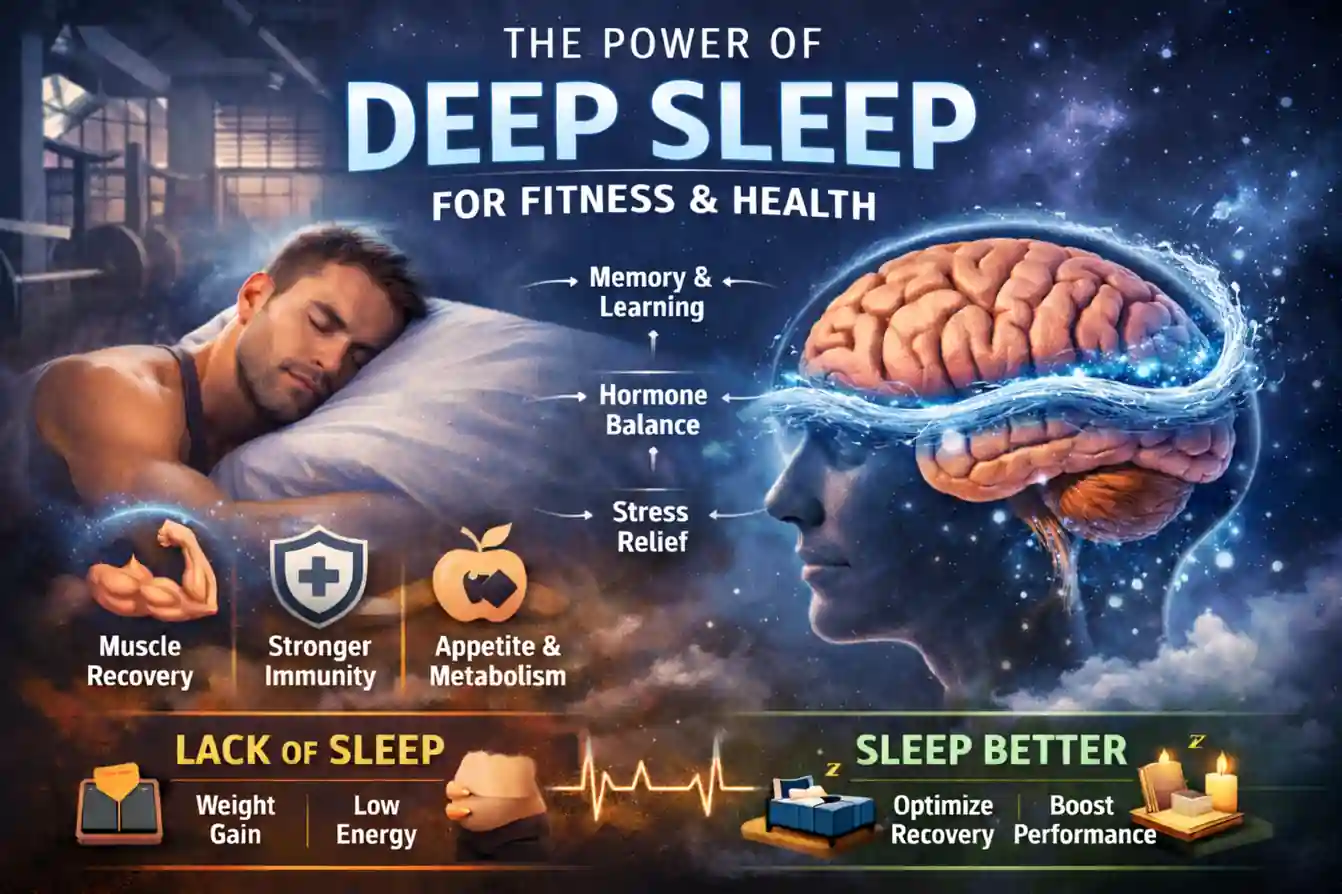
Here's the thing—if you're not sleeping enough, you're fighting an uphill battle. You need to prioritize sleep for fat loss. Poor sleep can mess with the hormones that control hunger and stress.It spikes cortisol (the stress hormone) and ghrelin (the hunger hormone), making you crave junk food and store more belly fat. Aim for 7-9 hours of quality sleep per night. It’s a total non-negotiable.
Practice Mindful Eating and Focus on Non-Scale Victories
Stop mindlessly scrolling while you eat. Mindful eating means paying attention to your food and your body’s signals of hunger and fullness. It helps you build a healthier relationship with food. And while you're at it, it's time to focus on non-scale victories. Are your clothes fitting better? Do you have more energy to play with your kids? Are you lifting heavier weights? These wins are often more motivating than the number on the scale.
Your Next Step: Putting It All Together
Feeling a little overwhelmed? That's completely normal. The key is to stop guessing and start following a proven plan. This is where a structured, expert-guided approach makes all the difference. An Original Body program, for example, combines all these elements into one cohesive plan designed by professionals. You can find their Science-Based Fitness Programs right in the Original Body Mobile App.
If you need a clear timeline, one of their 8-Week Fat Loss Programs could be the perfect fit. For those who need more specific guidance, they also offer Personalized Nutrition Coaching. The bottom line is that you don’t have to do this alone. Taking that next step with an expert-guided plan is how you finally see the results you deserve.
Key Takeaways
- Metabolic adaptation is a key reason why you are not losing weight in a calorie deficit; your body becomes more efficient, burning fewer calories.
- High cortisol from stress explains why you are not losing weight in a calorie deficit by encouraging fat storage and increasing junk food cravings.
- Your body subconsciously reduces Non-Exercise Activity Thermogenesis (NEAT) to conserve energy, a sneaky saboteur that halts weight loss despite your efforts.
- Inaccurate calorie tracking is a common dietary mistake that hinders progress, as unnoticed portion size increases can easily erase your intended calorie deficit.
- Overcoming plateaus requires a structured plan like Original Body’s Personalized Nutrition Coaching to adjust for metabolic and hormonal factors beyond simple calorie counting.
Frequently Asked Questions
I'm tracking everything, so why am I not losing weight in a calorie deficit?
According to the article, even if you are tracking, you might not be losing weight for several reasons. You could be unintentionally miscalculating your food intake or underestimating portion sizes, which erases your deficit. Additionally, your body may be experiencing metabolic adaptation, where your metabolism slows down to adjust to lower calorie intake, making your initial deficit less effective over time. These complex physiological factors go beyond simple calorie math.
What is metabolic adaptation and how does it cause a weight loss plateau?
Metabolic adaptation is a key reason for a weight loss plateau. The article explains that as you lose weight, your body becomes smarter and more efficient, requiring fewer calories to function. Your metabolism slows down as a natural survival mechanism. This means the same workout burns fewer calories than before, and the calorie deficit that once worked is no longer as effective, causing your progress to stall.
Besides miscounting calories, what other factors can stop weight loss in a deficit?
The article highlights several factors beyond calorie counting. Weight loss is non-linear, and progress can be temporarily masked by water retention from salty meals or hormonal fluctuations. Furthermore, lifestyle issues like getting poor-quality sleep or not eating enough protein can increase the stress hormone cortisol, which encourages your body to store fat and works directly against your weight loss goals.
The article mentions hormones. How do they explain why I am not losing weight in a calorie deficit?
Hormones play a significant role. The article specifically points to the stress hormone cortisol. Lifestyle factors such as a lack of high-quality sleep or insufficient protein intake can elevate cortisol levels. This is counterproductive because increased cortisol encourages the body to store fat, effectively sabotaging your weight loss efforts even when you are maintaining a consistent calorie deficit.
Why does the scale sometimes stop moving or go up, even if I'm losing fat?
The article explains that weight loss progress is not a straight line and the scale doesn't always reflect fat loss. This is often due to temporary factors that have nothing to do with fat gain. For example, water retention caused by a salty meal, normal hormonal fluctuations throughout the month, or even stress from a new workout routine can temporarily increase your weight on the scale, masking the actual fat you've lost.