.webp)
Bulking Diet: An Overview
A bulking diet is a strategic nutritional phase focused on gaining muscle mass by consuming a controlled calorie surplus. It's a science-backed approach that prioritizes high-quality, nutrient-dense foods to fuel intense training and optimize muscle protein synthesis, not just indiscriminate weight gain.
- Maintain a Calorie Surplus: You'll need a modest surplus, typically 300-500 calories above maintenance, to provide the essential energy your body requires to build new muscle tissue.
- Prioritize High Protein Intake: Aim for 1.6-2.2 grams of protein per kilogram of body weight to support effective muscle repair and stimulate significant hypertrophy from resistance training.
- Focus on Nutrient-Dense Foods: Emphasize whole-food carbohydrates for sustained energy during workouts and healthy fats to support optimal hormone production, which is critical for muscle growth.
- Stay Properly Hydrated: Consistent hydration is non-negotiable, as water is essential for transporting nutrients to your cells and maintaining peak performance and recovery during demanding training cycles.
Who should use this: This approach is ideal for dedicated individuals with consistent training experience looking to strategically maximize muscle gain while minimizing unnecessary fat accumulation through a structured plan.

Introduction
So, you’re hitting the gym consistently. You're pushing hard, lifting heavy, and feeling the burn. But when you look in the mirror, the results just aren't matching your effort. Sound familiar? It’s a frustrating place to be, and you're definitely not alone. The truth is, building a stronger, more muscular physique is a two-part equation. The work you do in the gym is only half the story. The other, arguably more important half, happens in your kitchen. 🏋️♂️

Welcome to the ultimate guide on the bulking diet for beginners. We’re going to demystify the process of eating for muscle growth. Forget the confusing advice and conflicting information you've seen online. Here, we'll focus on a sustainable approach to fitness that helps you gain lean muscle without the unwanted side effects. It’s all about working smarter, not just harder. Ready to unlock your body's true potential?
The Science of Gaining Muscle (Without the Fluff)
Let's get one thing straight: you can't build something from nothing. To build new muscle tissue—a process known as muscle hypertrophy—your body needs extra energy and resources. This is where the concept of a caloric surplus comes in. Simply put, you must consume more calories than your body burns each day. This surplus provides the fuel for recovery and the raw materials for growth. It's the fundamental, non-negotiable first step. No surplus, no growth. It’s that simple.
But wait, it’s not a free pass to the all-you-can-eat buffet. The *quality* of those calories is what separates a successful bulk from a disappointing one. This is where macronutrients—protein, carbohydrates, and fats—enter the picture. Protein is essential for repairing and building muscle, as it provides the necessary amino acids. Carbs replenish your energy stores, and healthy fats support hormone production. A proper balance of these three is the cornerstone of effective, science-based nutrition.
The biggest fear for anyone starting a bulk? Gaining more fat than muscle. This is a valid concern, and it’s why we champion clean bulking. This strategy focuses on achieving your caloric surplus through whole, nutrient-dense foods. Think lean meats, complex carbs, and healthy fats. This method is all about precision and quality, allowing you to build muscle methodically while avoiding excess fat gain. It’s the difference between building a brick house and just piling up a mound of sand.

Why a Plan is Your Secret Weapon
Here’s the thing—"eating more" is not a plan. To see real, sustainable results, you need a strategy. Guesswork leads to frustration and inconsistent progress. A structured plan removes the ambiguity, telling you what to eat, when to eat, and how much to eat. This ensures you’re consistently hitting your caloric and macronutrient targets. This isn't just a short-term diet; it’s about building habits that last a lifetime. A good plan transforms your effort into tangible results. 📈
Navigating this alone can be tough, which is why structured programs are so valuable. For example, creating a personal strategic plan like the Original Body Footprint can provide a clear roadmap based on foundational principles. Other options, like a guided Body Transformation Program, focus on turning your body into a natural fat-burning machine through sustainable methods. Many of these modern solutions offer robust health and diet education and are easily accessible through dedicated mobile applications, making it easier than ever to stay on track.
The bottom line is that a well-designed plan is your best tool for success. In the following sections, we’ll break down exactly how to build your own effective bulking diet. We'll cover everything from calculating your calories to choosing the right foods and structuring your meals. Let's build that foundation. 💪
Key Benefits of a Strategic Fitness Approach
Let's be honest. When you start a fitness journey, you're probably thinking about looking better. And that's great! But what if the real magic happens beneath the surface? The truth is, a well-designed plan does more than just change your reflection—it fundamentally rebuilds your body's operating system from the inside out. It’s about building a stronger body that serves you for life, not just for a season. So, what are these game-changing benefits? Let's dive in. 🤸♀️ Supercharge Your Strength

Supercharge Your Strength and Performance
Look, the goal isn't just to lift heavy things; it's to build functional strength that translates into everyday life. This process begins with targeted resistance training, which creates microscopic tears in your muscle fibers. Your body then repairs these fibers, making them thicker and stronger. This is the essence of muscle growth. Over time, these consistent strength gains lead to significantly increased strength and performance. You don't just get stronger in the gym—you'll notice it when carrying groceries, playing with your kids, or tackling a weekend hike. It's a powerful feeling.
The reality is, random workouts yield random results. A strategic plan like the Original Body Footprint provides the blueprint for this process. It ensures you're progressively challenging your muscles, which is the only way to keep getting stronger. It’s the difference between wandering in the woods and following a map to your destination.
Fire Up Your Body's Metabolic Engine 🔥
Here's something many people miss: muscle is your metabolic currency. The more lean muscle you have, the higher your resting metabolic rate becomes. Why does this matter? It means your body burns more calories throughout the day, even when you're sitting at your desk. Each pound of muscle burns roughly three times more calories than a pound of fat. This is how you truly boost your metabolic health for the long term.
This is precisely the focus of programs designed for sustainable change, such as the Body Transformation Program. Instead of relying on quick fixes, it helps you transform your body into an efficient, fat-burning machine. You’re not just losing weight; you're changing your body's entire energy economy. It's a powerful shift that makes maintaining a healthy weight feel less like a constant battle.
Optimize Recovery and Balance Your Health
You can’t build a house on a shaky foundation. The same goes for your body. Intense training is only half the equation; the other half is recovery. Proper nutrition and rest are critical for optimized muscle recovery. This allows your body to repair tissue and replenish its energy reserves, known as glycogen stores. When these stores are full, you have the fuel you need for enhanced athletic performance and daily energy.
But wait, there's more. Your training and lifestyle choices also have a massive impact on your hormonal health. Chronic stress and overtraining can disrupt crucial hormones like cortisol and testosterone, sabotaging your progress. This is where quality Health and Diet Education becomes invaluable. Using tools like Mobile Applications to track your progress and access information helps you make smarter decisions. You learn to listen to your body, ensuring your hard work pays off by creating balance, not burnout. ✅
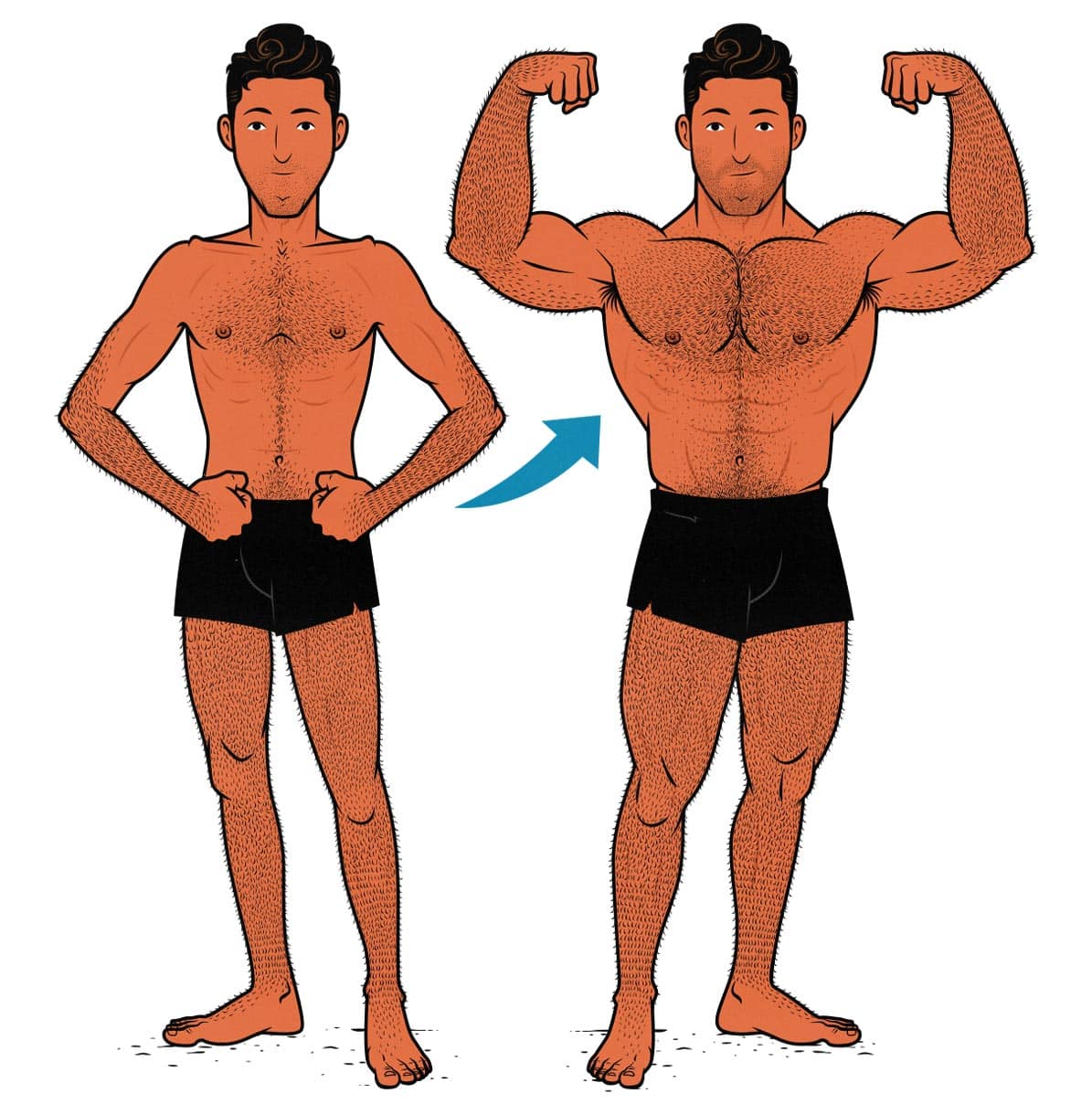
Expert Tips for Smarter, Sustainable Growth
So, you're putting in the work at the gym, but are you seeing the results you truly want? Building quality muscle is a science, but it doesn't have to be complicated. It's about working smarter, not just harder. The reality is, many people spin their wheels by focusing on the wrong things. Let's cut through the noise and look at the strategies that actually move the needle, helping you build a stronger, more capable body for the long haul.
Nail Your Nutrition: Beyond Just 'Eating More' 🍎
One of the most common bulking mistakes is the "see-food" diet—eating everything in sight. While a calorie surplus is necessary for growth, quality matters. A successful plan is about controlled, intentional nutrition. Start with precise calorie tracking to ensure you're in a modest surplus of 300-500 calories. This encourages lean muscle gain without excessive fat. Don't forget your micronutrients! Vitamins and minerals are crucial for metabolic processes that support muscle repair and energy. Think of them as the support crew for your main performers (macros).
Getting this balance right can feel overwhelming. That’s where a guided approach, like the Original Body Footprint, can be a game-changer. It provides a strategic plan, and using tools like their Mobile Applications makes tracking your intake simple and effective.
Train with Purpose: The Power of Progressive Overload 🏋️♀️
Your muscles won't grow unless you give them a reason to. That reason is progressive overload. Simply put, you must consistently challenge your body to do more than it's used to. This doesn't always mean adding more weight. You can also add reps, sets, or decrease rest times. The key is structured, measurable progress. Random workouts produce random results. Following a plan that systematically increases the demand on your muscles is fundamental.
Here's the thing: the importance of consistency trumps everything. A perfect workout done once a month is useless compared to good workouts done several times a week, every week. Sustainable programs, like the Body Transformation Program, are built on this very principle—creating a natural, fat-burning machine through consistent, smart effort, not quick fixes.
Master Your Recovery: Where the Real Magic Happens ✨
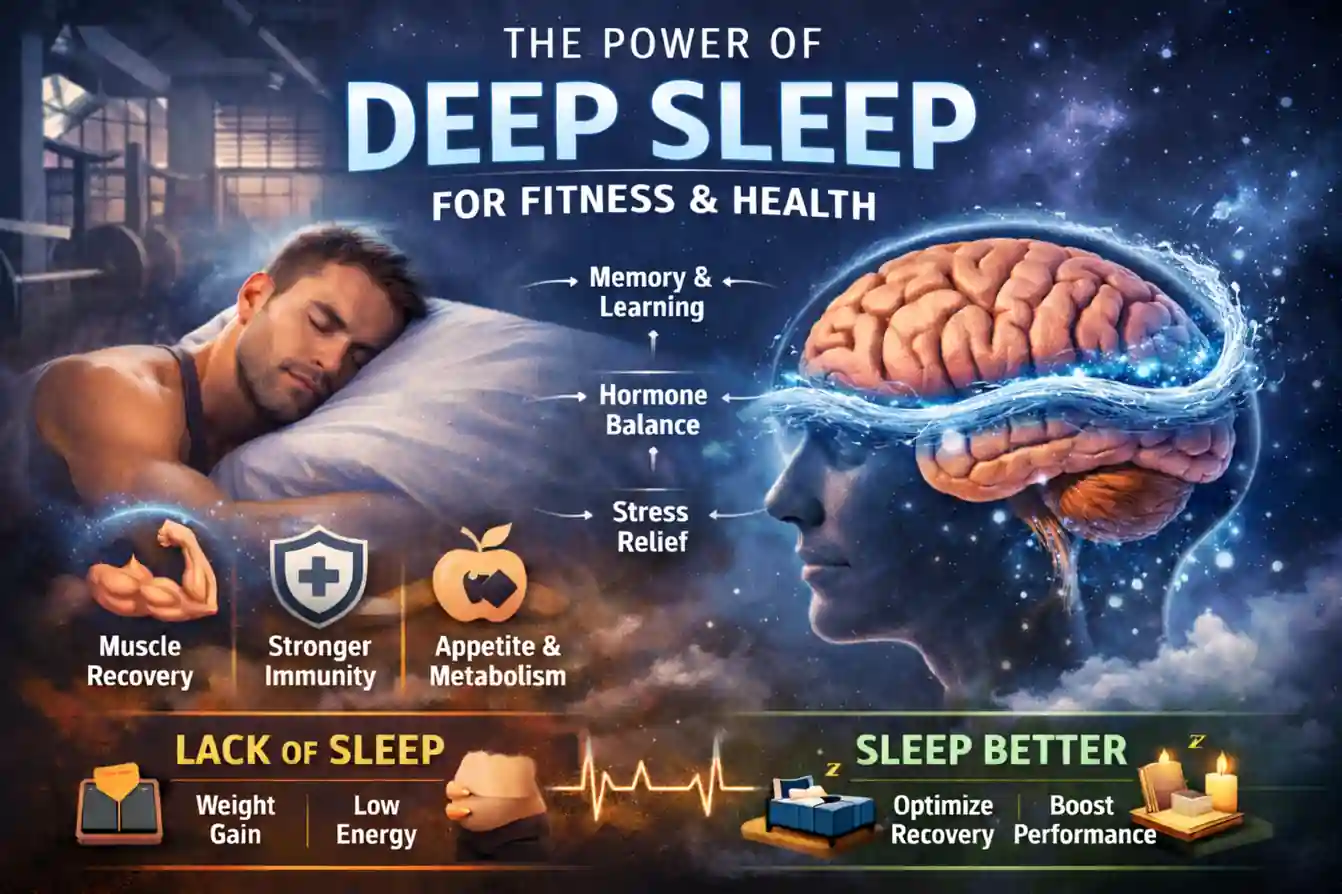
You don't build muscle in the gym; you build it while you rest. Training creates the stimulus, but recovery is when the growth occurs. That’s why you must prioritize sleep for growth. During deep sleep, your body releases growth hormone, which is critical for tissue repair. Aiming for 7-9 hours of quality sleep per night is non-negotiable for anyone serious about their fitness goals. Are you feeling constantly sore or fatigued? That’s a sign to listen to your body. Overtraining is real, and it will sabotage your progress.
A Smart Supplementation Strategy 💡
Supplements can help, but they can't replace a solid foundation of diet and training. Think of them as a 5% boost after you've already nailed the other 95%. A smart supplementation strategy starts with the basics. Instead of wasting money on unproven pills, focus on what works. Creatine monohydrate is one of the most researched supplements on the planet. It helps your muscles produce energy during heavy lifting, allowing you to get an extra rep or two. That extra work adds up over time, contributing directly to progressive overload.
But remember, the best supplement is knowledge. Understanding the 'why' behind your choices is crucial. Programs that include robust Health and Diet Education are invaluable because they empower you to make informed decisions for a lifetime of health, not just for one training cycle.
Fueling Your Transformation: A Sample Bulking Diet Blueprint
So, you're ready to build serious muscle. That's fantastic! You’ve probably got your workout routine dialed in, but here’s the thing: you can’t out-train a poor diet. The kitchen is where a significant part of your growth happens. Building a stronger, larger physique requires a strategic surplus of high-quality calories. But what does that actually look like on a plate? Don't worry, we're here to demystify the process and give you a solid starting point for your body transformation journey. Let's build your nutritional foundation. 🧱
A Sample One-Day Meal Plan for Bulking
Look, this isn't a one-size-fits-all prescription. Think of this sample one-day meal plan as a flexible template. Your specific calorie and macronutrient needs will vary based on your metabolism, activity level, and goals. The bottom line is to use this as a guide and adjust portions as needed. Plus, tracking your intake with tools like mobile applications can make staying on target much easier. It’s all about finding what works for you.
| Meal | Food Items | Notes & Rationale |
|---|---|---|
| Breakfast (7 AM) | - 1 cup Oatmeal (uncooked) - 2 scoops Whey Protein - 1 large Banana - 1 oz Almonds |
Kickstarts your day with complex carbs for sustained energy and a heavy dose of protein for muscle repair. |
| Morning Snack (10 AM) | - 2 hard-boiled Eggs - 1 cup Greek Yogurt (full-fat) |
A simple, protein-packed snack to bridge the gap until lunch and prevent muscle breakdown. |
| Lunch (1 PM) | - 6 oz Chicken Breast (grilled) - 1.5 cups Brown Rice - 1 cup Broccoli (steamed) - 1 tbsp Olive Oil |
A classic bodybuilder's meal. It delivers lean protein, slow-digesting carbs, and essential micronutrients. |
| Afternoon Snack (4 PM) | - Protein Shake (2 scoops) - 1 Apple |
This pre-workout meal (or post-workout recovery) provides fast-digesting protein and simple carbs for energy. 🏋️♂️ |
| Dinner (7 PM) | - 6 oz Salmon - 1 large Sweet Potato (baked) - Asparagus spears |
Salmon offers high-quality protein and anti-inflammatory omega-3 fatty acids, which are crucial for recovery.Omega-3s support muscle health. |
Beyond the Plate: Key Principles for Success
A great meal plan is more than just food—it's about strategy. To successfully bulk, you need to be in a consistent caloric surplus. This means consuming slightly more calories than your body burns daily to provide the raw materials for muscle growth. The reality is, consistency is the key. Hitting your calorie and protein targets day in and day out is what drives real progress. This is where meal prepping becomes your superpower. Dedicate a few hours on a Sunday to cook your proteins and carbs for the week. It’s a game-changer for staying on track.
Tying It All Together: Diet, Training, and Guidance
Now for the most important part. This diet will only work if you pair your diet with training. You must create a demand for those extra calories through intense resistance training. Without the stimulus of lifting weights, your body is more likely to store those surplus calories as fat instead of muscle. It’s a powerful synergy. You eat to fuel your workouts, and the workouts signal your body to use that fuel for growth.
Feeling a bit overwhelmed? That’s completely normal. A successful body transformation often requires a clear roadmap. This is where expert-guided fitness programs can make all the difference. For instance, programs like the Original Body Footprint provide a strategic plan tailored to your life, while the comprehensive Body Transformation Program focuses on sustainable methods. Many of these Original Body programs can be accessed through their mobile applications, helping you follow your plan, track progress, and access valuable health and diet education right from your phone. 📱