.webp)

Body balance is your ability to maintain your center of gravity, while stability is how you control movement. It's not just about avoiding falls—it's the foundation for all effective, injury-free movement and a key part of real-world functional fitness.
- Core Strength Foundation: Your core is the anchor for stability, connecting your upper and lower body for coordinated, powerful, and controlled movements.
- Everyday Functional Fitness: Better balance improves everything from carrying groceries to playing sports, and it's crucial for maintaining independence as you age.
- Natural Injury Prevention: Proper stability helps your body absorb force correctly, which dramatically reduces your risk of joint sprains and muscle strains.
- Enhanced Performance: A stable base allows for stronger lifts and more efficient movement, boosting your overall workout performance and metabolic conditioning.
Who should use this
Anyone seeking sustainable body transformation, from athletes improving performance to adults wanting to move confidently and pain-free through daily life.
Introduction
Hey, I’m Christian, and I’ve seen this happen a thousand times. Someone gets fired up to transform their body. They jump headfirst into intense workouts, chasing big numbers and fast results. They want to lose fat, build muscle, and feel amazing. But a few weeks in, something goes wrong. A tweaked back, a sore knee, or just a frustrating plateau. Sound familiar? 😥 Someone gets fired transform

Here’s the thing: most people skip the single most important step. They try to build a skyscraper on a foundation of sand. We’re so focused on the “hardcore” parts of fitness—the heavy lifting, the intense cardio—that we completely ignore the unsung hero of a healthy, strong body: body balance and stability.
It doesn't sound as exciting as "beast mode," I get it. But trust me, it's the secret sauce. It’s the difference between getting sidelined by injuries and achieving a truly sustainable body transformation. Think of it as the operating system for your body. Without it, none of the cool apps (like lifting heavy or running fast) work properly.
Why Balance is a Non-Negotiable
So, what are we even talking about here? Body balance is your ability to control your body's position, whether you're standing still or on the move. This is all thanks to a cool built-in system called proprioception. It’s basically your brain's awareness of where your body is in space. It’s the reason you can walk without staring at your feet. 🧠
When your proprioception is sharp, your muscles, joints, and nervous system all work together seamlessly. This is the core of injury prevention. In fact, studies show that balance and stability exercises can significantly reduce the risk of common injuries like ankle sprainsby up to 35%. When your body is stable, you move correctly, protecting your joints from unnecessary strain.
At Original Body, we don't treat this as an afterthought. It's a foundational element of fitness that we build into every single one of our programs. Our approach to science-based fitness recognizes that you can't achieve long-term goals like visceral fat reduction if you're constantly taking time off to recover from preventable strains. A stable body is a resilient body.

More Than Just Standing on One Leg
Now, when you hear stability training, you might picture someone wobbling on one foot. And while that's part of it, it’s so much more. It involves strengthening the deep core muscles that support your spine and pelvis. It’s about creating a solid, connected unit from which all your power and movement originate. It’s the key to moving efficiently and powerfully. 💪
This principle is woven into everything we do. Whether you're using the Original Body Mobile App to follow a workout, engaging in one of our 8-Week Fat Loss Programs, or working with us on Metabolic Reset Methods, you'll be building this crucial foundation. Even our personalized nutrition coaching supports this by ensuring your body is fueled for both performance and recovery.
The bottom line? If you want to build a body that not only looks great but also feels great and performs at its best for years to come, you can't ignore the basics. In this guide, we'll dive deep into the world of body balance and stability. We’ll cover why it matters, how to assess your own, and the best exercises for preventing common injuries and unlocking your true fitness potential. Let's get started. 👍
Key Benefits of a Strong Foundation
Look, getting in shape is about more than just numbers on a scale. It's about building a body that works for you, not against you. The real magic happens when you feel capable, energetic, and confident in your own skin. So, what are the game-changing benefits you can actually expect? It’s not just about looking better—it’s about living better. Let's break it down. 👇
Build a Stronger, Smarter Body
Ever feel a tweak in your back just from picking up a laundry basket? That's where functional fitness comes in. It’s all about training your body for real-life activities. The goal is to master everyday functional movements, making you feel stronger and more resilient. This starts with a rock-solid core. Your core isn't just about six-pack abs; it's the central link connecting your upper and lower body.
When you focus on your core, every movement becomes more powerful and efficient. Well-designed, Science-Based Fitness Programs prioritize this foundation. They build strength from the inside out, ensuring your body can handle whatever you throw at it, whether you're at the gym or just carrying groceries in from the car. It’s practical strength for your real life.
Injury-Proof Your Life 🛡️
Here's the thing: nobody has time for injuries. A weak or unstable body is an open invitation for sprains, strains, and chronic pain. By developing solid core strength and balance, you significantly improve body stability. A stable body is a safe body. It can react to a sudden trip on the sidewalk or an awkward lift without falling apart. You're essentially building natural armor.
This is why smart training is so crucial. Following a structured plan, like an 8-Week Fat Loss Program, helps you progress safely. It ensures you don't do too much, too soon, which is a classic recipe for disaster. The ultimate goal is to reduce the risk of injury so you can stay active and consistent for the long haul. Consistency is everything, right?
Unleash Your Inner Athlete
You don't need to be a pro to tap into your athletic potential. Better athletic performance simply means having more stamina for a weekend hike or keeping up with your kids at the park. It’s about feeling capable and energetic. When your body works efficiently, everything gets easier. A key part of this is tackling hidden health issues, like excess belly fat.
Focusing on visceral fat reduction isn't just for looks; it has a huge impact on your health and energy. This deep abdominal fat can slow you down and drain your vitality. By incorporating things like Metabolic Reset Methods, you can help your body become a more efficient fat-burning machine. The result? You’ll not only enhance athletic performance but also feel lighter and more dynamic in everything you do.
Connect Your Mind and Muscles 🧠
The mind-body connection might sound a little "out there," but it's a real, powerful tool for transformation. It’s the difference between just going through the motions and performing each exercise with purpose. When you're truly focused, you engage the right muscles, improve your form, and get way better results from every single rep. It’s about being present in your workout.
This is where modern tools can be a huge help. For instance, the Original Body Mobile App provides clear video demonstrations and cues that guide you. It helps you focus on what you should be feeling and where. Plus, services like Personalized Nutrition Coaching extend this mindfulness to your diet, helping you understand how food fuels your body and mind. It’s a holistic approach—and it works.
How It Works
Ever tried to balance on one foot and felt that little wobble? 🤸♀️ It feels like a simple leg-strength thing, but it’s actually a complex dance happening inside your body. The reality is, true stability isn't just about muscle; it's about your brain and body talking to each other at lightning speed. Understanding the science behind stability is the key to unlocking your body's full potential. It’s a core part of the proven methodology we use in our programs. the key unlocking your
Our approach isn't about random workouts. It's about tapping into your body's internal systems to create lasting change. We help you build a smarter, more efficient body from the inside out. This foundation makes everything from daily movements to intense workouts safer and more effective. Let's break down how this incredible system works.
The Three Pillars of Balance
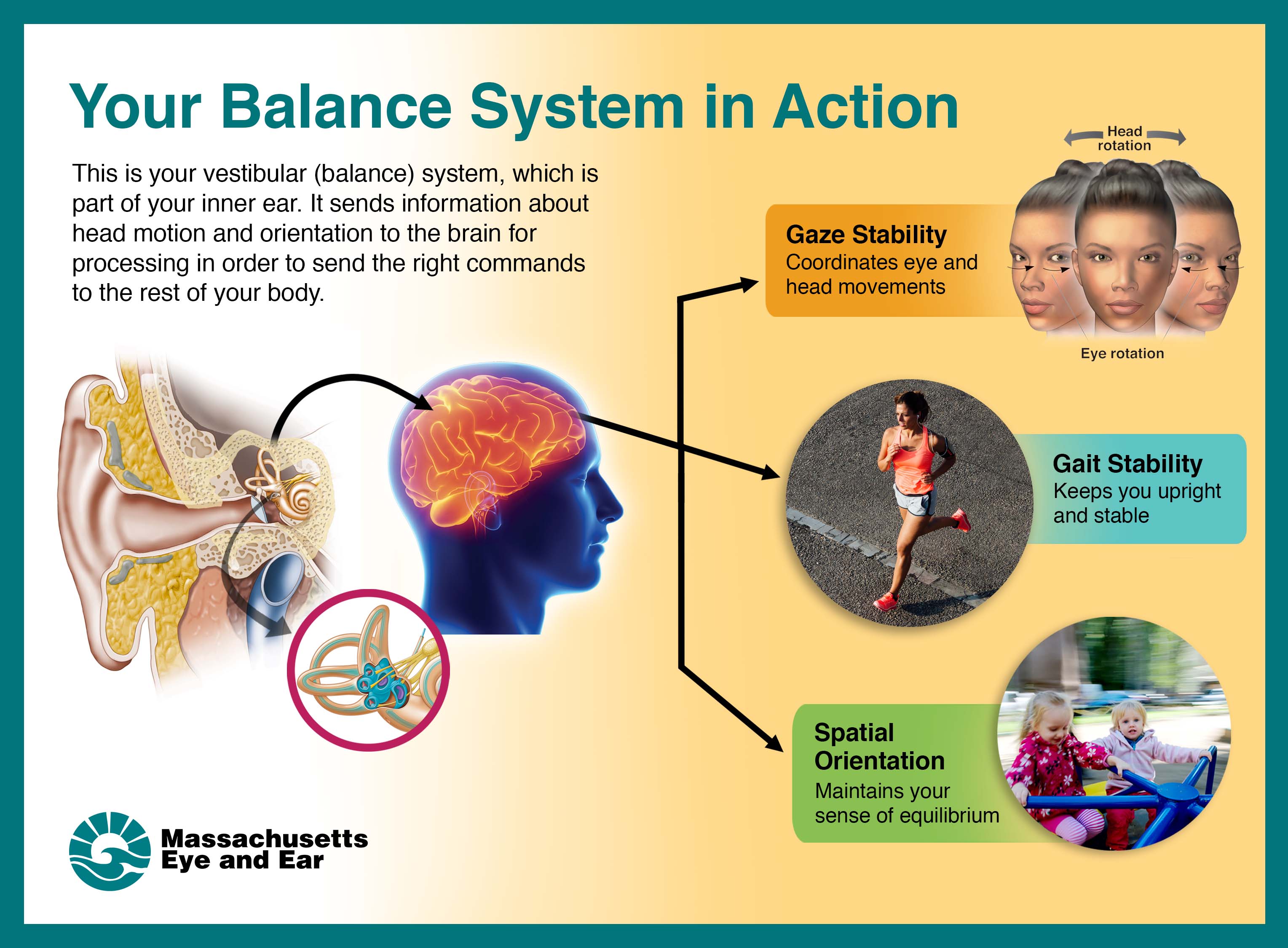
Think of your balance as a three-legged stool. If one leg is shaky, the whole thing gets wobbly. Your brain constantly gets information from three main sources to keep you upright and in control of your center of gravity. Pretty cool, right?
- Visual system: This one's the most obvious. Your eyes see where you are in relation to your surroundings. They send this data straight to your brain, helping you adjust your position. It's your body's external GPS. 🗺️
- Vestibular system: Tucked away in your inner ear, this system acts like a tiny gyroscope. It senses motion, head position, and spatial orientation. It tells your brain if you're tilting, spinning, or moving in a straight line.
- Proprioception: This is your body's "sixth sense." Nerves in your muscles, joints, and skin constantly tell your brain where your limbs are without you even looking. It’s how you can touch your nose with your eyes closed!
Our Science-Based Fitness Programs are designed to challenge and strengthen all three of these systems together. By doing this, you're not just building muscle; you're upgrading your body's entire operating system for better coordination and power.
The Role of Core Strength and Stabilizers
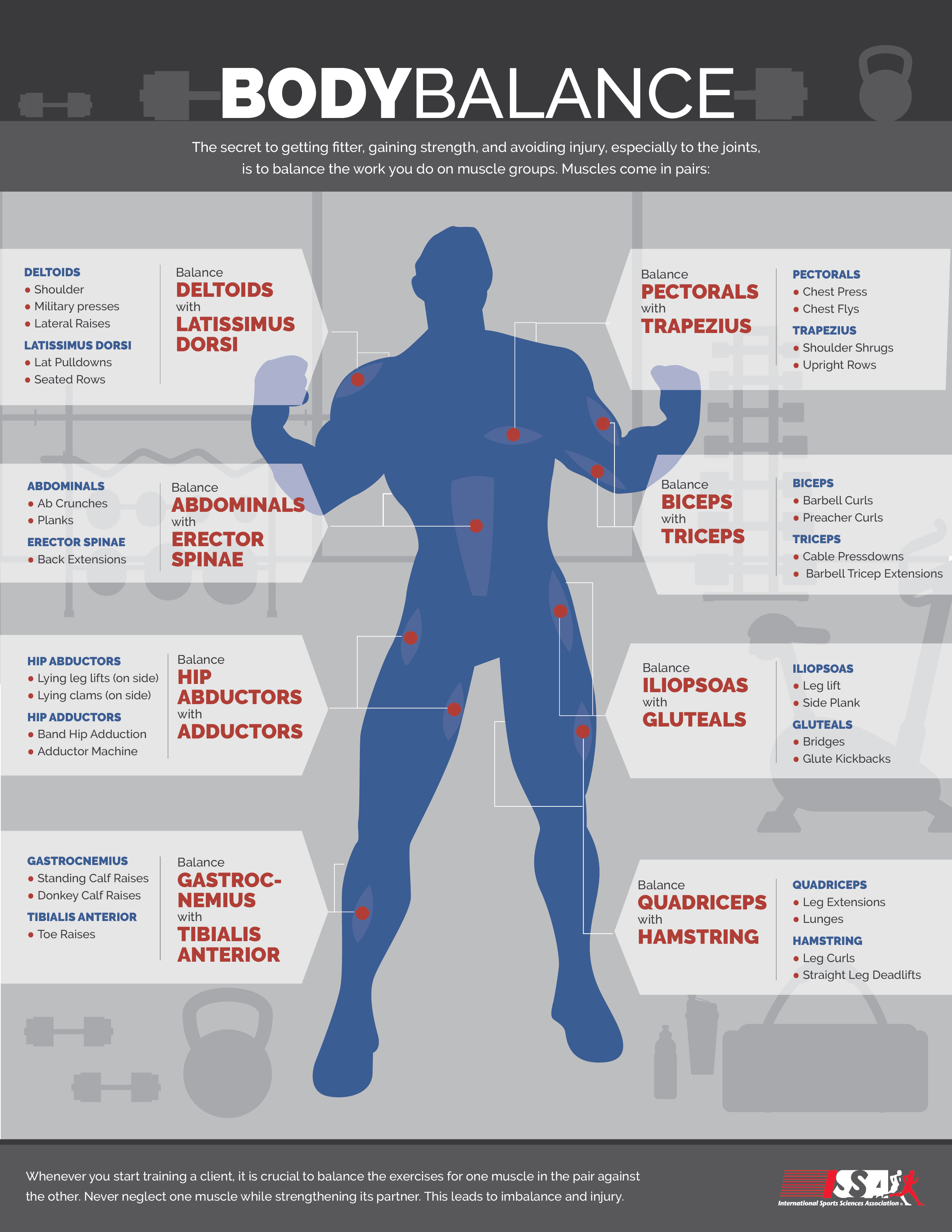
So, your brain gets all this great info. Now what? It needs a crew to carry out its orders. That's where your muscles come in, and we're not just talking about the big ones. The true secret lies in the role of core strength. Your core musculature—the deep network of muscles in your abs, back, and pelvis—is your body's command center. It’s the anchor for every move you make.
But wait, there's more. You also have smaller, unsung heroes called stabilizer muscles. These tiny muscles surround your joints and fire up to keep you steady during movement. When you train them, you build real-world strength that prevents injury and improves performance. This is a huge focus in our 8-Week Fat Loss Programs, which you can follow along with in the Original Body Mobile App.
Putting It All Together for Real Results
Here’s the thing: a strong, stable body is a metabolically active body. When you engage your core and stabilizer muscles correctly, you burn more energy. This integrated approach is a key part of our Metabolic Reset Methods. Plus, a focus on core stability is fantastic for Visceral Fat Reduction. Studies show that targeted core work can significantly reduce harmful fat around your organs.
The bottom line? We don't just give you exercises. We provide a system that retrains your body to work as a cohesive unit. With guidance from our Personalized Nutrition Coaching to fuel your progress, you'll build a foundation for a leaner, stronger, and more resilient you. 🎯