.webp)
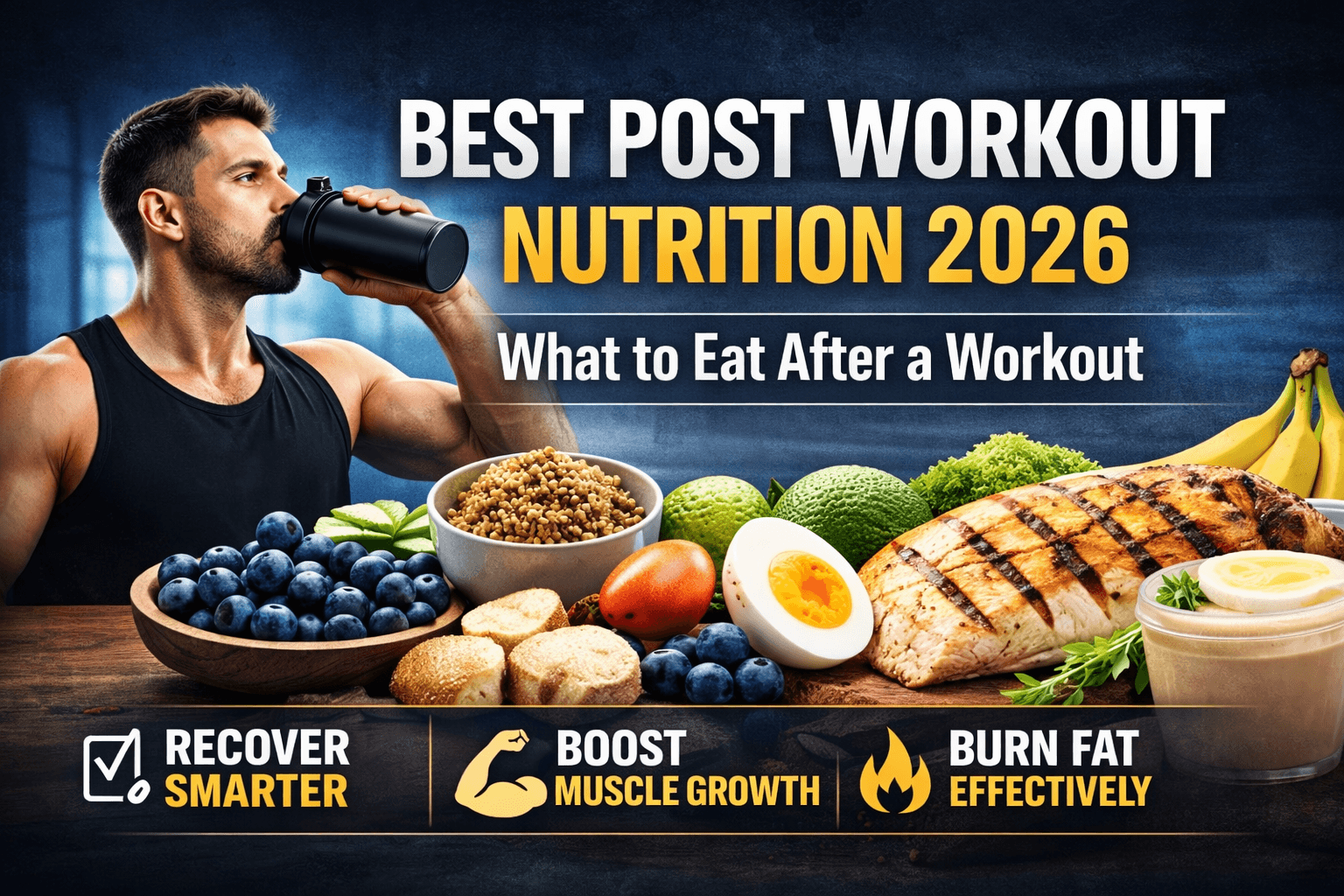
Post-workout nutrition is a strategic meal consumed after exercise to optimize recovery and support your specific fitness goals. It focuses on replenishing depleted energy stores and providing the essential building blocks for muscle repair and growth, which accelerates your progress.
- Protein for Muscle Repair: Consuming high-quality protein provides the crucial amino acids needed to effectively repair muscle fibers that were broken down during your workout.
- Carbs for Glycogen Replenishment: Carbohydrates are vital for refueling your muscle glycogen stores, which are the primary energy source your body uses during intense training sessions.
- The "Anabolic Window" Myth: While eating soon after helps, the idea of a rigid 30-minute window is outdated; your total daily nutrient intake is far more critical.
- Hydration and Electrolytes: Don't forget to rehydrate with water and electrolytes, as they are essential for regulating muscle function, nutrient transport, and overall metabolic health.
Who should use this: Individuals serious about maximizing workout results, whether for sustainable fat loss or muscle gain, who want a science-backed strategy to accelerate recovery and progress.
Introduction
I'm Christian, and for years at Original Body, I've watched dedicated people crush their workouts only to undermine their progress moments later. You know the feeling. You've just pushed your limits, sweat is pouring, and a wave of accomplishment washes over you. But then, a nagging question creeps in: "What should I eat right now?" The pressure is immense. You're told you have a tiny window to get it right, or all that hard work was for nothing. It’s a frustrating cycle of confusion and conflicting advice.
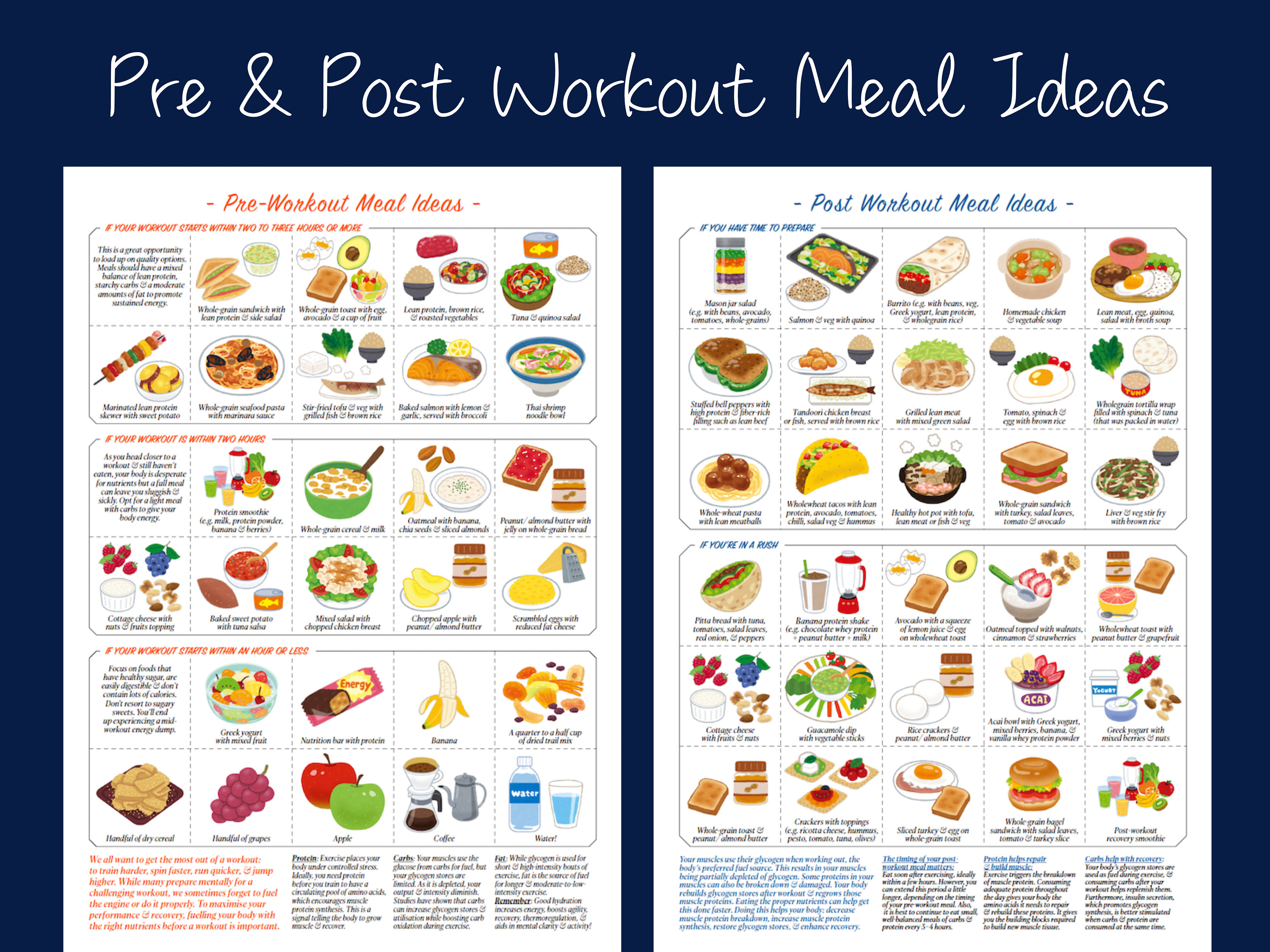
The reality is, much of the panic surrounding post-exercise eating is built on myths. This constant anxiety leads to some of the most common nutrition mistakes I see. People force down chalky protein shakes or specific "anabolic" foods, fearing they'll miss the so-called metabolic window. But what if that window isn't as critical as you've been led to believe? What if the key isn't a frantic sprint to the kitchen, but a smarter, more strategic approach to fueling your body correctly throughout the day? Let's clear the air and build a plan that works for you. 🏋️♂️
Beyond the Hype: The Science of Real Recovery
To truly optimize your recovery, we need to look past the marketing hype and focus on two core biological processes: replenishing glycogen stores and stimulating muscle protein synthesis (MPS). Think of your muscles' glycogen stores as their primary fuel tank. After an intense session, that tank is running low. Refilling it is essential for performance in your next workout.It ensures you have the energy to perform at your peak consistently.
At the same time, your muscle fibers have undergone microscopic damage—that’s a good thing! It’s the stimulus for growth. Muscle protein synthesis is the incredible process your body uses to repair that damage and build stronger, more resilient muscle tissue. Providing your body with the right nutrients, particularly protein, gives it the raw materials needed to maximize MPS. The goal isn't just to stop being sore; it's to adapt and become stronger. 💪

A Strategic Path to Sustainable Results
Here’s the thing—understanding these processes is the first step. The next is implementing a strategy that fits your life and goals. This is the core philosophy behind everything we do at Original Body. We develop science-based fitness programs that prioritize education and long-term habits over quick, fleeting fixes. We don't believe in magic pills; we believe in providing you with a clear, actionable roadmap for success.
Our goal is to help you transform your body naturally. It starts with a solid foundation, which is exactly what our Original Body Footprint provides—a strategic plan that cuts through the noise and teaches you the truth about diet and health. For those ready to dive deeper, our Natural Body Transformation Program applies these principles to turn your body into an efficient, fat-burning machine. Plus, our supportive Mobile Applications make it easier than ever to follow your plan and track your progress. It's all designed to deliver sustainable results. 📈
So, this comprehensive post workout nutrition guide is more than just a list of foods. It’s your first step toward ending the guesswork for good. We'll break down what to eat, when to eat it, and—most importantly—why it works. Are you ready to build a smarter recovery plan that fuels real, lasting change?
Key Benefits of Optimizing Your Recovery 🏋️♂️
You put in the hard work at the gym. You're consistent. But have you hit a plateau? The reality is, progress isn't just made during your workout—it’s solidified during the hours and days that follow. Prioritizing recovery isn't a luxury; it's a fundamental component of any successful fitness strategy. When you optimize your recovery, you unlock a cascade of physiological benefits that translate directly into better results, faster. Let's break down what you stand to gain. hard work the gym

Accelerate Muscle Repair and Growth
Every strenuous workout creates microscopic tears in your muscle fibers. This is normal. The magic happens when your body repairs them, building them back stronger and larger. This process is called muscle repair. Without adequate rest and nutrition, this repair process is inefficient. Proper recovery provides the essential building blocks and time needed for enhanced muscle growth. Think of it as laying the foundation before building the house. Effective recovery protocols can significantly boost muscle protein synthesis, the engine behind muscle development.
Drastically Reduce Soreness and Downtime
We've all felt it. That deep ache that sets in a day or two after a tough session. That's DOMS (Delayed Onset Muscle Soreness), and it can derail your training schedule. A strategic recovery plan helps to flush out metabolic waste and reduce inflammation. This allows you to reduce muscle soreness and shorten your overall recovery time. Instead of skipping workouts, you'll feel ready to train again sooner and more consistently. Programs like the Natural Body Transformation Program emphasize this cycle, integrating recovery to ensure you can maintain high-intensity training without burnout.
Supercharge Energy and Performance
Feeling sluggish during your workout? Your body's fuel tank might be low. Intense exercise depletes your muscles' primary energy source: glycogen. A key benefit of recovery is focused energy replenishment. Consuming the right nutrients post-workout helps to rapidly replenish glycogen stores, ensuring your muscles are primed and ready for the next challenge. This directly leads to improved athletic performance. After all, you can't perform at your peak on an empty tank. Many find that using tools like the original-body Mobile Applications helps them track nutrition to ensure this replenishment is happening effectively.
Balance Hormones and Boost Immunity
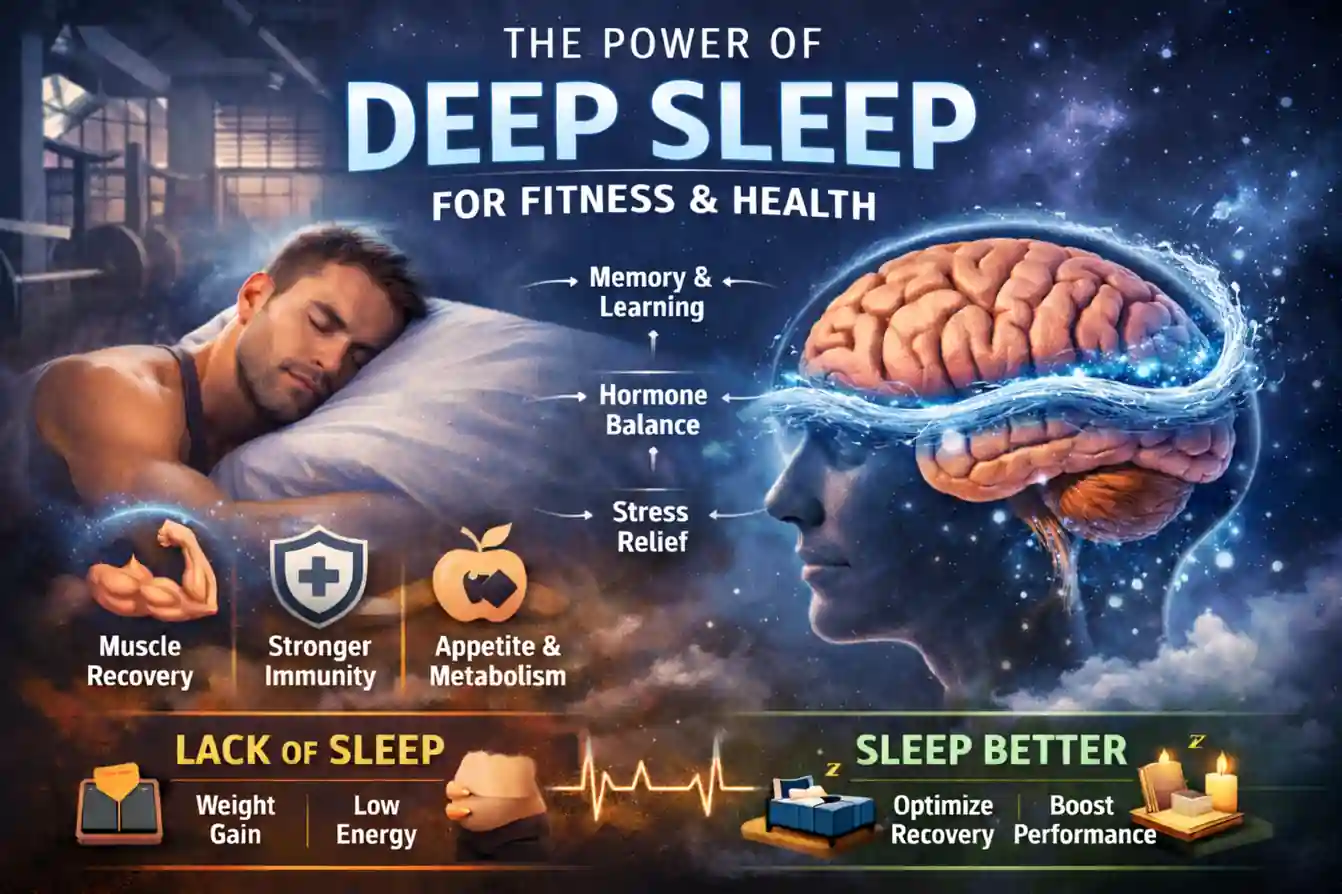
The unseen benefits are just as crucial. Overtraining without sufficient rest can wreak havoc on your endocrine system, spiking stress hormones. Managing your cortisol levels is critical for long-term health and body composition. Chronically elevated cortisol can lead to muscle breakdown and fat storage—the exact opposite of your goals. Furthermore, this stressed state can weaken your body's defenses. Proper recovery offers vital immune system support, keeping you healthy and in the gym. It’s a core principle of strategic plans like the Original Body Footprint, which guide you toward sustainable, lifelong health, not just short-term gains. 🧬
How It Works: Fueling Your Recovery and Growth
You’ve just finished a demanding workout. Your muscles are fatigued, and your energy stores are low. But what’s actually happening inside your body? This is your post workout metabolic state, a critical period where your body is primed for repair and growth. Understanding this process is the key to unlocking better results, turning your hard work in the gym into real, visible change. It isn't about magic pills; it's about strategic recovery. 🏋️♂️ hard work the gym
The reality is, your body is incredibly receptive to nutrients right after exercise. Think of it as a sponge ready to soak up everything it needs to rebuild. This is where a strategic plan, like the one outlined in the Original Body Footprint, becomes invaluable. It provides the education needed to leverage this metabolic state, ensuring you don't waste your efforts. Let's break down the science.
Nutrient Timing Explained: The "Anabolic Window" Debate
You've probably heard of the anabolic window—that supposed 30-minute timeframe post-exercise where you must consume protein to see gains. Is it real? Well, yes and no. The concept is valid, but the window is much larger than we once thought. Research suggests this heightened state for muscle protein synthesis can last for several hours after a workout.What's more important than rushing to chug a shake is consistently meeting your daily nutrient goals.
So, you don’t need to panic. But it’s still a smart strategy to consume a well-balanced meal within a couple of hours. During this period, your body's insulin sensitivity is heightened. This means your muscle cells are more efficient at pulling in glucose and amino acids from your bloodstream, directly fueling the recovery process. It's a natural mechanism your body uses to repair itself.
The Critical Role of Macronutrients
After a workout, your focus should be on two key macronutrients: protein and carbohydrates. They work together to kickstart recovery. Getting the right balance is crucial, and it’s a core principle of our Natural Body Transformation Program, which teaches your body to become a highly efficient fat-burning machine through these natural processes.
The Role of Protein
Look, intense exercise causes microscopic tears in your muscle fibers. That’s normal. Protein provides the raw materials—amino acids—needed to repair this damage and build the muscle back stronger. This process is called muscle protein synthesis. Consuming adequate protein post-workout halts muscle breakdown and initiates the rebuilding phase. It's the fundamental building block for a stronger, more resilient physique. Without it, you're just breaking your body down without giving it the tools to rebuild.
The Importance of Carbohydrates
But wait, aren't carbs the enemy? Absolutely not. After exercise, carbohydrates are your best friend. Your muscles use a stored form of glucose called glycogen for fuel. A tough workout can significantly deplete these stores. The importance of carbohydrates post-workout is to replenish this glycogen. This not only refuels your muscles for your next session but also stimulates the release of insulin, which—as we mentioned—helps shuttle nutrients into your cells more effectively. 📈
Beyond Food: Hydration and Electrolytes
We often get hyper-focused on food, but what about water? Proper hydration and electrolytes are non-negotiable for recovery. You lose significant fluids and essential minerals like sodium and potassium through sweat. Replenishing them is critical for muscle function, nerve signaling, and overall fluid balance. Dehydration can severely impair recovery and even lead to cramping and fatigue.Even mild dehydration can negatively impact performance. 💧
The bottom line is that a holistic approach works best. Tracking your intake of macros, water, and electrolytes can feel overwhelming. That's why our supportive Mobile Applications are designed to simplify the process. They help you implement your strategic plan, ensuring you’re consistently giving your body exactly what it needs to recover and thrive.
Expert Tips for Sustainable Body Transformation
Look, the internet is flooded with fitness advice. Most of it is conflicting, confusing, or just plain wrong. As the founder, my name is Christian, and I'm here to cut through that noise. The real secret to a lasting transformation isn't a magic pill or a punishing workout. It's consistency. Building a framework of smart, repeatable habits is the only path to real results. Here are some of my most effective, practical tips for success.
Simplify Your Nutrition: The Foundation of Success 🍴
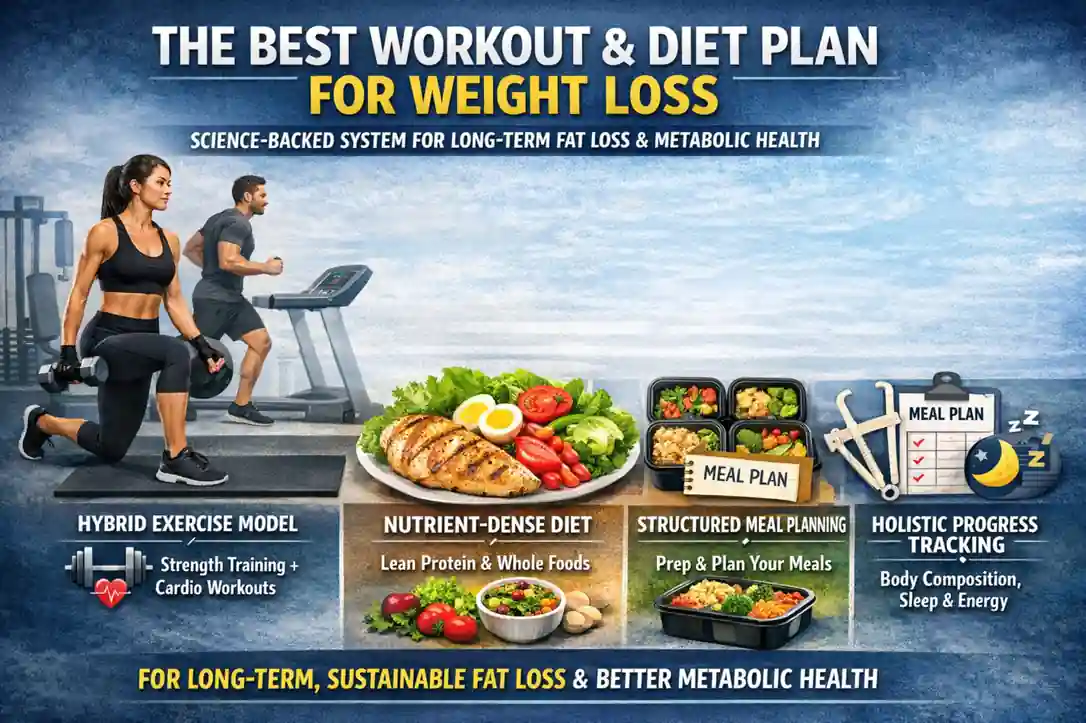
You can't out-train a bad diet. It's a cliché because it's true. But what does a "good" diet even look like anymore? The key is to simplify your nutrition by focusing on nutrient-dense whole foods. Think lean proteins, complex carbs, healthy fats, and lots of vegetables. These are the foods your body is designed to process and use for fuel and repair.
Here’s the thing—planning is everything. Meal prep is your single greatest tool for nutritional consistency. Dedicating a few hours one day a week to prepare your meals eliminates guesswork and decision fatigue. You're no longer tempted by poor choices when a healthy, pre-portioned meal is ready to go. A structured plan, like our Original Body Footprint, provides the strategic blueprint you need, removing the "what do I eat?" anxiety from your daily life.
Strategic Supplementation: What Actually Works 💪
The supplementation industry is a minefield of overhyped products. The reality is, you only need a few core supplements that are proven to work. Don't waste your money on the rest. We believe in finding supplements that actually work and complement a solid nutrition plan—they don't replace it. This philosophy is central to our Natural Body Transformation Program.
So, what should you consider? Whey protein is an excellent, convenient tool for hitting your daily protein targets, which are crucial for muscle repair and satiety. It’s not magic; it’s just efficient. Then there's Creatine monohydrate. It's one of the most studied supplements on the planet, proven to enhance strength, power output, and muscle growth by improving your body's energy production during intense exercise. That's it. Start there. Nail your diet first, then add these proven tools.
The Mental Game: Common Pitfalls and the Power of Listening 🧠
Your mindset will make or break your journey. One of the most common pitfalls to avoid is the "all-or-nothing" mentality. Did you miss a workout or eat a slice of cake? It doesn't mean the week is ruined. The goal is progress, not perfection. Acknowledge it and get right back on track with your next meal or workout. This resilience is what separates long-term success from a short-term diet.
Finally, practice listening to your body. This means paying attention to your energy levels, hunger cues, and recovery needs. Some days you'll feel strong and ready to push your limits. Other days, you may need more rest or lighter activity. Honoring these signals prevents burnout and injury. Using tools like our mobile applications to track your progress and log your workouts can help you see patterns and make smarter, more intuitive decisions for your health.