.webp)
What is a Healthy Calorie Deficit Diet?
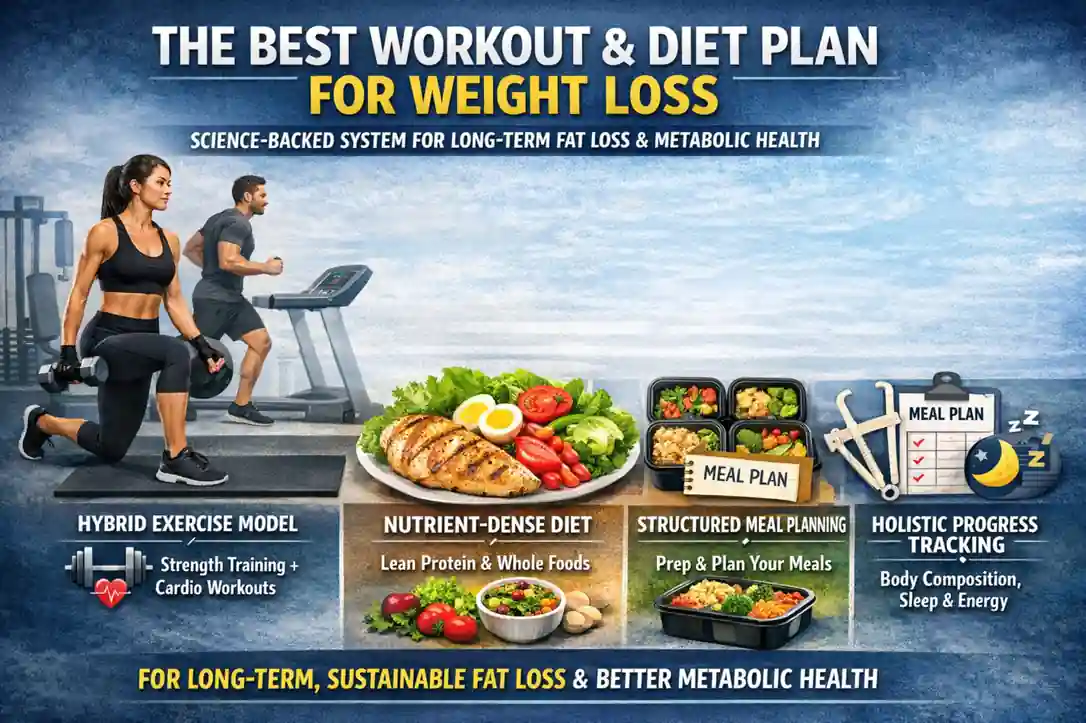
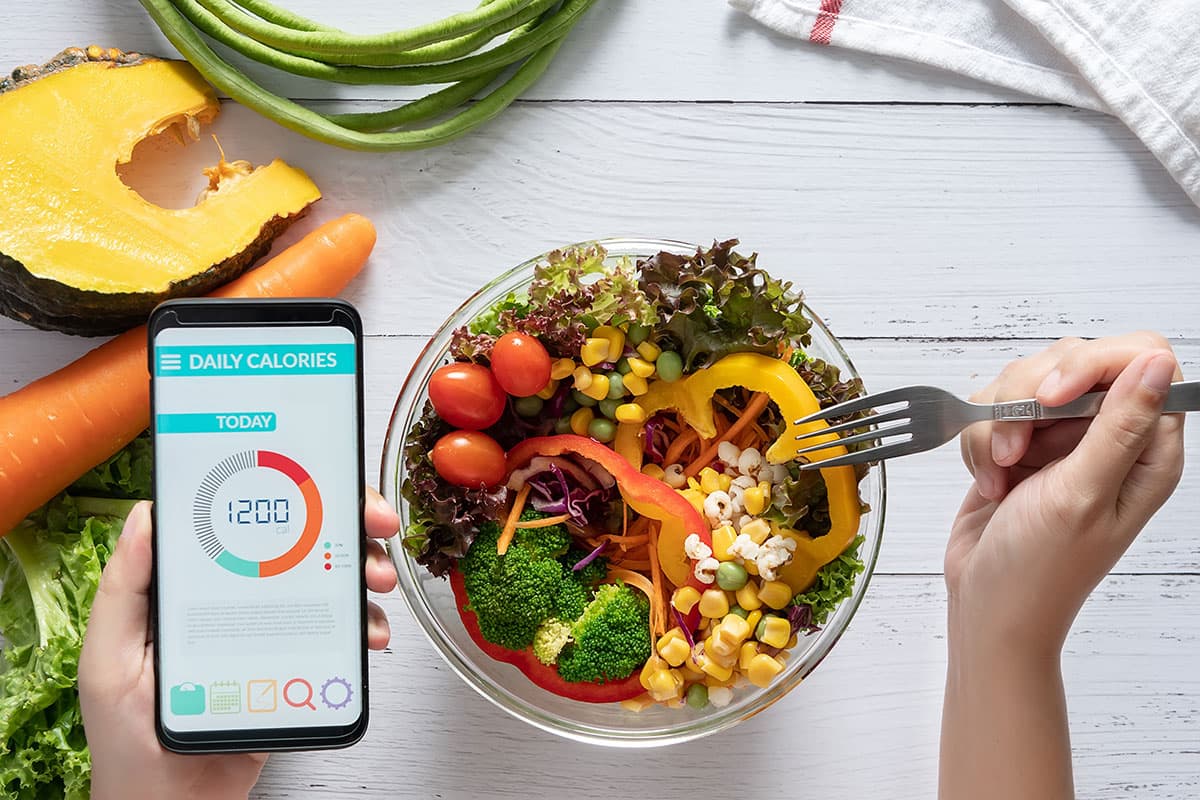
A healthy calorie deficit diet is a sustainable eating plan where you consistently consume fewer calories than your body burns, prompting it to use stored fat for energy. The key isn't just eating less, but eating smarter to fuel your body properly while achieving fat loss.
- Calculate Your Deficit: First, figure out your daily maintenance calories with an online tool, then subtract 300-500 calories for a safe and effective starting point.
- Prioritize Macronutrients: You'll want to focus on high protein intake to preserve lean muscle mass and increase satiety, making the fat loss process feel much easier.
- Choose Nutrient-Dense Foods: Fill your plate with whole foods like lean meats, fruits, and vegetables to get the essential vitamins and minerals your body needs to thrive.
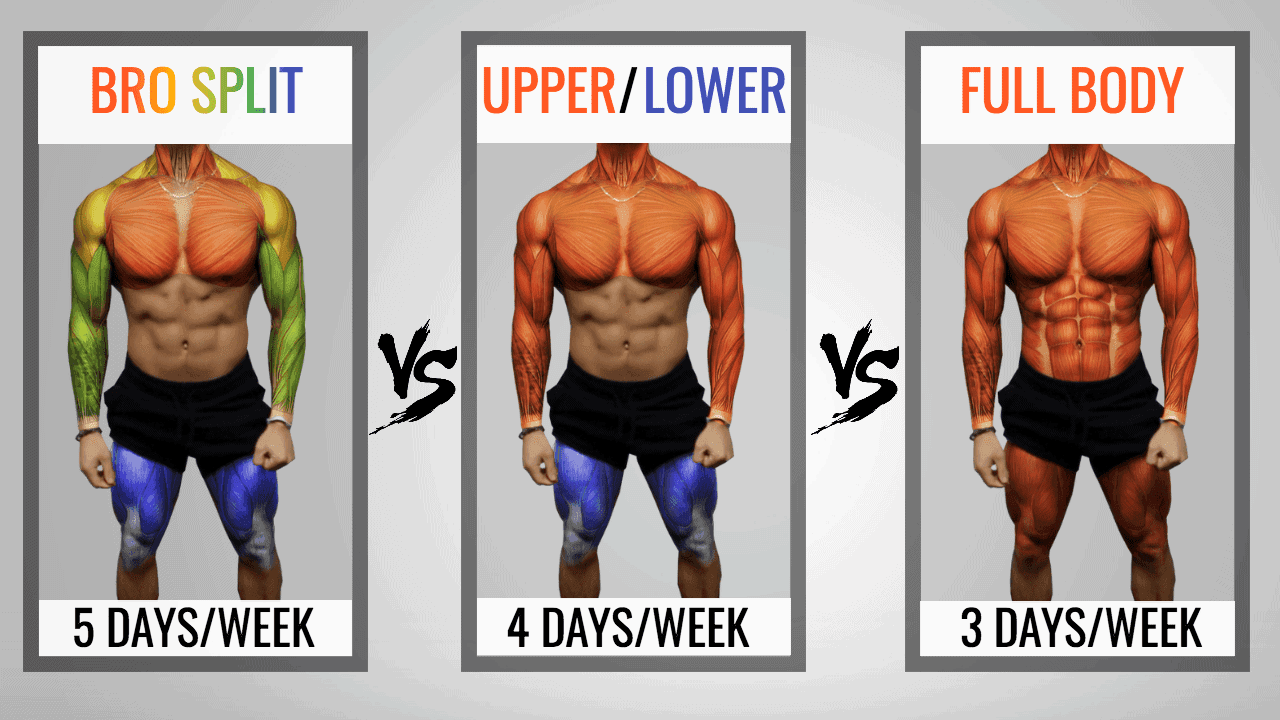
- Incorporate Resistance Training: Combine your diet with weight training to build metabolism-boosting muscle, ensuring the weight you're losing is primarily from unwanted body fat.
Who should use this: This approach is for individuals committed to achieving sustainable fat loss through a structured, science-backed method rather than relying on quick-fix crash diets.
Introduction
Let's be real for a second. You've probably heard the same advice a million times: "Just eat less and move more." If it were that simple, wouldn't we all have our dream bodies by now? The reality is, most of us have tried that. We've counted every almond, spent hours on the treadmill, and still felt stuck. It’s frustrating. 😩 The fitness industry full

I'm Christian, and at Original Body, we see this all the time. People come to us feeling defeated by confusing diets and workout plans that promise the world but deliver burnout. The fitness industry is full of noise. My goal here is to cut through it. I want to give you a clear, simple path based on real science—no magic pills or crazy restrictions required. It's time to understand how your body actually works.
Why 'Just Eat Less' is Terrible Advice
Here’s the thing. The old advice isn't just unhelpful; it can be damaging. When you drastically slash your food intake without a plan, you’re sending your body into panic mode. You might lose some weight initially, sure. But you're also losing muscle and tanking your metabolic health. Your body adapts by slowing everything down to conserve energy.This can make future weight loss even harder.
This is why so many diets fail. They push you into an aggressive, unsustainable state of deprivation. That's not a foundation for long-term results. A truly healthy calorie deficit diet isn't about starvation. It's about smart, strategic nutrition that fuels your body while gently encouraging it to use stored fat for energy. It's a total game-changer.

The Simple Science Behind Real Results
So, let's talk about the calorie deficit. Don't let the term scare you. All it means is consuming slightly fewer calories than your body burns each day. That's it. That's the fundamental principle of weight loss. But knowing what a calorie deficit is and creating a healthy one are two different things. It’s the *how* that matters most.
This is the core idea behind our Natural Body Transformation methodology. We focus on helping you transform your body naturally by turning it into an efficient fat-burning machine. This requires a balanced approach that supports your metabolism instead of fighting it. It’s about achieving sustainable weight loss that you can actually maintain for life. No more yo-yo dieting. Ever. 💪
What You'll Discover in This Guide
Look, I want you to feel empowered, not overwhelmed. This guide is your no-nonsense resource for understanding and applying these principles. We’re going to dive deep into science-based fitness and nutrition. You'll learn how to calculate your needs, choose the right foods, and build a lifestyle that gets you results without taking over your life. It’s all about creating your own strategic plan.
Think of it as creating your personal Original Body Footprint—a unique roadmap to your health goals. And with tools like our mobile applications to help you track your progress, you'll have the support you need every step of the way. Ready to finally understand the "how" behind lasting change? Let's get started. 💡
Key Benefits
So, you're thinking about starting a health journey. What are you actually hoping to get out of it? Most people jump straight to the number on the scale, but the real magic is more than just weight loss. It’s about transforming how you feel every single day. The benefits of a calorie deficit, when done correctly, ripple through your entire life. Let's break down what you can really expect. ✨ Fat Loss,
Fat Loss, Not Just Weight Loss
Here's the thing: you don't want to lose "weight." You want to lose fat. There’s a huge difference. A smart approach focuses on targeted fat loss while keeping the good stuff—your muscle. This is the foundation of a real transformation. Instead of just getting smaller, you get stronger and more defined. The goal isn't to shrink; it's to become a more efficient, healthier version of you. This is a core principle behind programs like the Natural Body Transformation, which aim to turn your body into a fat-burning machine naturally.
Boost Your Metabolism and Energy 🚀
Ever feel like you're running on empty by 3 PM? A well-managed health plan can change that. By focusing on nutrient-dense foods, you're not just cutting calories; you're giving your body premium fuel. This leads to improved metabolic health. Your metabolic rate—the speed at which your body burns calories—can become more efficient. What does that feel like? It feels like sustainable energy throughout the day. No more crazy energy spikes and crashes. You just feel... on.
Plus, as you reduce excess body fat, your body's systems work better. Studies show that even a modest weight loss of 5-10% can significantly improve metabolic function. Imagine having a clear plan, like the Original Body Footprint, that maps out exactly how to achieve this. It simplifies the process so you can focus on the results.
Find Your Hormonal Groove
Hormones are like the managers of your body. When they're out of whack, everything feels off. Sleep, mood, appetite—it's all connected. Excess body fat can disrupt this delicate system, particularly hormones like insulin and leptin that regulate hunger and fat storage. Achieving a healthier body composition helps restore hormonal balance. This means fewer cravings, better moods, and more restful sleep. It's a game-changer for your overall well-being. You're not just looking better; you're feeling more centered and in control.
Protect Your Hard-Earned Muscle
Have you ever dieted and ended up feeling weak? That's what happens when you lose muscle along with fat. A major goal should always be protecting lean muscle. Why? Because lean muscle mass is your metabolic engine. The more you have, the more calories you burn, even at rest. A proper plan combines smart nutrition with effective exercise to ensure you're shedding fat while keeping—or even building—muscle.
This is where a structured approach is so important. You need a strategy that fuels your body correctly. Many people use tools like mobile applications to track their food and workouts, ensuring they hit their protein goals to support muscle. The bottom line is simple: you want to be strong and capable, not just a smaller version of your old self. It's about a total, natural body transformation. 💪

Expert Tips for Your Transformation Journey 🚀
So, you're ready to make a change. That’s awesome! But where do you even start? The internet is flooded with conflicting advice, and it's easy to get overwhelmed. The truth is, a lasting transformation isn't about a single magic bullet. It's about building a smart, sustainable system that works for you.
Think of it like creating a blueprint for your health. A solid plan gives you direction and clarity. For example, a resource like the Original Body Footprint focuses on creating that very blueprint—a strategic plan covering diet, exercise, and overall health to help you transform your body naturally.
Nailing Your Nutrition Game 🥑
You can't out-train a bad diet. It's a cliché for a reason—it's true. But that doesn't mean you have to survive on plain chicken and broccoli. Let's talk about smart nutrition.
Effective meal planning is your secret weapon. It saves you from making poor choices when you're tired and hungry. The key is balance. Focus on foods to include, not just what to cut out. Think lean proteins, colorful veggies, healthy fats, and complex carbs. This approach provides the fuel your body needs to build muscle and burn fat.
And don't forget about hydration! Water is crucial for everything from metabolism to energy levels. Drinking enough water can actually boost your metabolic rate by up to 30%. Now, what about nutrient timing? While you don't need to be obsessive, eating a mix of protein and carbs within an hour or two after your workout can help with recovery and muscle repair. Simple, right?
Smart Exercise Strategies
Ready to move? Let's find the right exercise strategies to support your goals without burning you out. It’s all about working smarter, not just harder.
Strength training is non-negotiable. Lifting weights—or using your body weight—builds lean muscle, which revs up your metabolism around the clock. More muscle means you burn more calories even while you're resting. Pretty cool, huh? Aim for 2-4 sessions a week, focusing on major muscle groups.
But what about cardio? It's great for heart health, but endless hours on the treadmill aren't always the answer. Mix it up! Try high-intensity interval training (HIIT) a couple of times a week. It's efficient and incredibly effective for fat loss. The goal is to find a balance between strength and cardio that you actually enjoy.
Avoiding Common Pitfalls
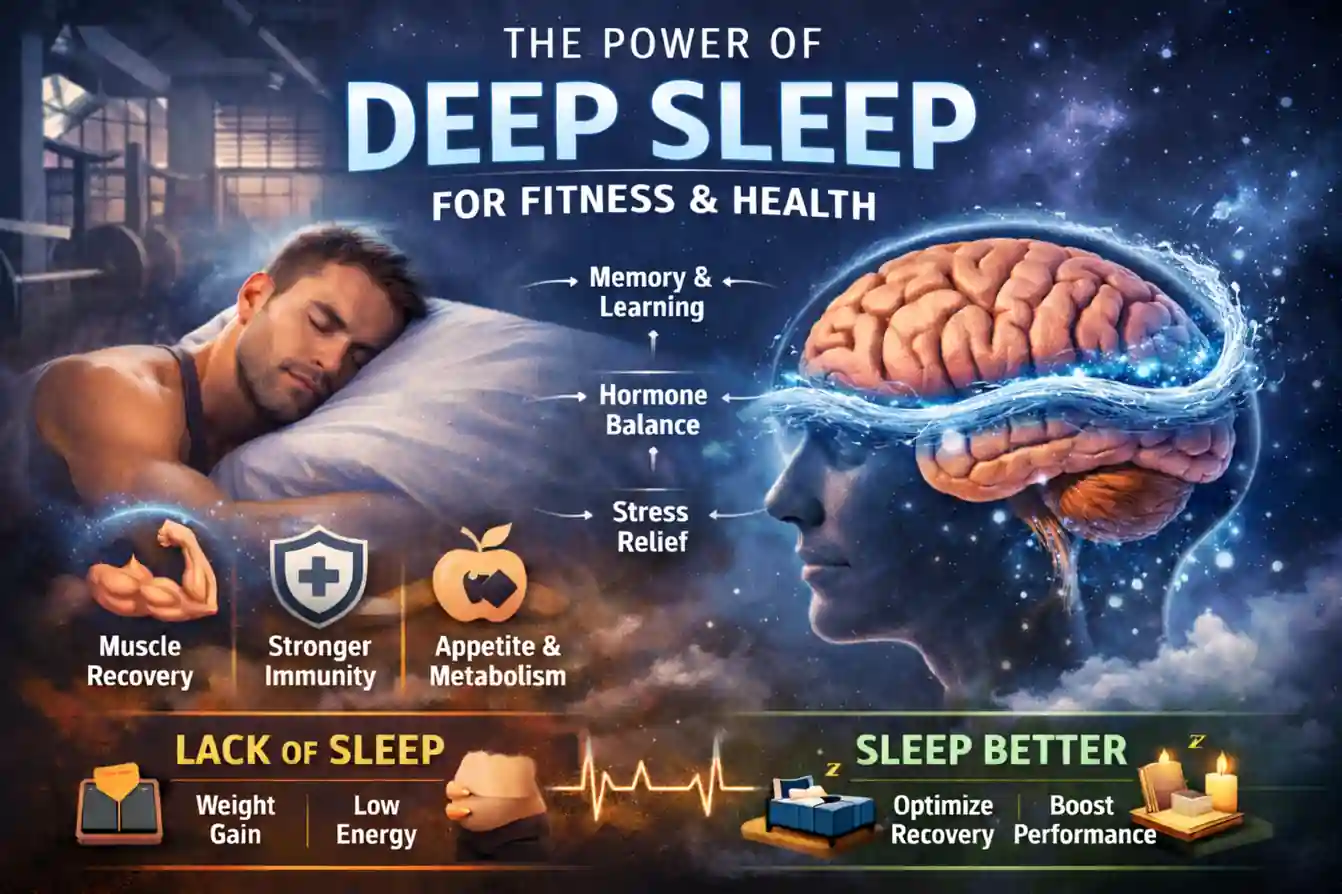
Look, we've all been there. You start strong, but then life happens. One of the biggest mistakes is going "all or nothing." A single "bad" meal doesn't ruin your progress. Just get back on track with your next choice. Another pitfall is ignoring rest. Your body needs time to recover and rebuild—that's when the real magic happens. So, prioritize sleep!
The Real Secret: How to Stay Consistent
Here’s the thing: the perfect plan is useless if you can't stick with it. So, how to stay consistent? Start small. Don't try to change everything overnight. Pick one or two habits and master them before adding more. Track your progress—not just the number on the scale, but how you feel, how your clothes fit, and how much stronger you're getting. Using tools like mobile applications can make tracking simple and keep you motivated.
The bottom line? Consistency beats intensity every time. If you’re struggling to put all these pieces together, an expert-guided fitness program can be a game-changer. A structured approach, like a Natural Body Transformation program, provides a clear roadmap, taking the guesswork out of turning your body into a fat-burning machine for the long haul. 💪
Putting It All Together: Your Sustainable Fat Loss Plan
Okay, let's get real. You've read about calories, macros, and exercise. But how do you actually turn all that information into a real-world plan that doesn't make you want to quit by Wednesday? The reality is, knowledge alone isn't enough. You need a roadmap. This is where we connect the dots and build your sustainable path to success. 🗺️
The goal isn't a quick, miserable diet. It's a lifestyle shift that feels good. It's about creating habits that stick around long after you've hit your goal weight. This is the start of your body transformation, and you've totally got this.
Step 1: Build Your Foundation
Before you jump into a hardcore routine, let's focus on the basics. Think of this as a gentle reboot for your body. Your foundation rests on three pillars: smart nutrition, consistent movement, and a positive mindset. Forget about starving yourself. Instead, focus on whole foods that fuel your body and kickstart a healthy metabolic reset. This helps your system become more efficient at burning fat.
Start small. Maybe it's adding a walk to your daily routine or swapping soda for water. These little wins build momentum. The point isn't perfection; it's progress. You’re building a base that will support you for the long haul.
Step 2: Get a Plan to Remove the Guesswork
Winging it rarely works. A clear plan provides structured guidance and keeps you from feeling overwhelmed. What does that look like? For many, an 8-week fat loss program is a great starting point because it has a clear beginning and end. It gives you a specific target to work towards.
Here's the thing—you need a system. You could design your own plan from scratch. Or, you could use a service that does the heavy lifting for you. For instance, the Original Body team developed the Original Body Footprint to create a personalized strategy based on your unique needs. This kind of proven methodology takes the confusion out of the process, letting you focus on just doing the work. It’s all about finding what fits you.
Step 3: Find Your Accountability Partner
Let's be honest: staying motivated alone is tough. Accountability is your secret weapon. Studies show that having a support system significantly increases your chances of success. This could be a friend you check in with, a family member, or a community group. It’s someone who celebrates your wins and encourages you when you feel like giving up. 🤝
Plus, technology can be a huge help here. Many people use mobile apps to track their progress, meals, and workouts. Some programs, like the Natural Body Transformation, often incorporate support through their platforms or mobile applications to keep you connected and on track. Don't underestimate the power of knowing someone else is on the journey with you.
The Bottom Line: Invest in Yourself
Look, creating lasting change is a journey. It requires commitment. But by combining a solid foundation, a clear plan, and strong support, you’re not just losing weight—you’re building a healthier, more energetic life. This is how you turn your body into a natural fat-burning machine without pills or quick fixes. You have to invest in your health. It's the most valuable asset you own. Now, you have the tools. Go build your success story. ✨