.webp)
Forearm Workout Plan
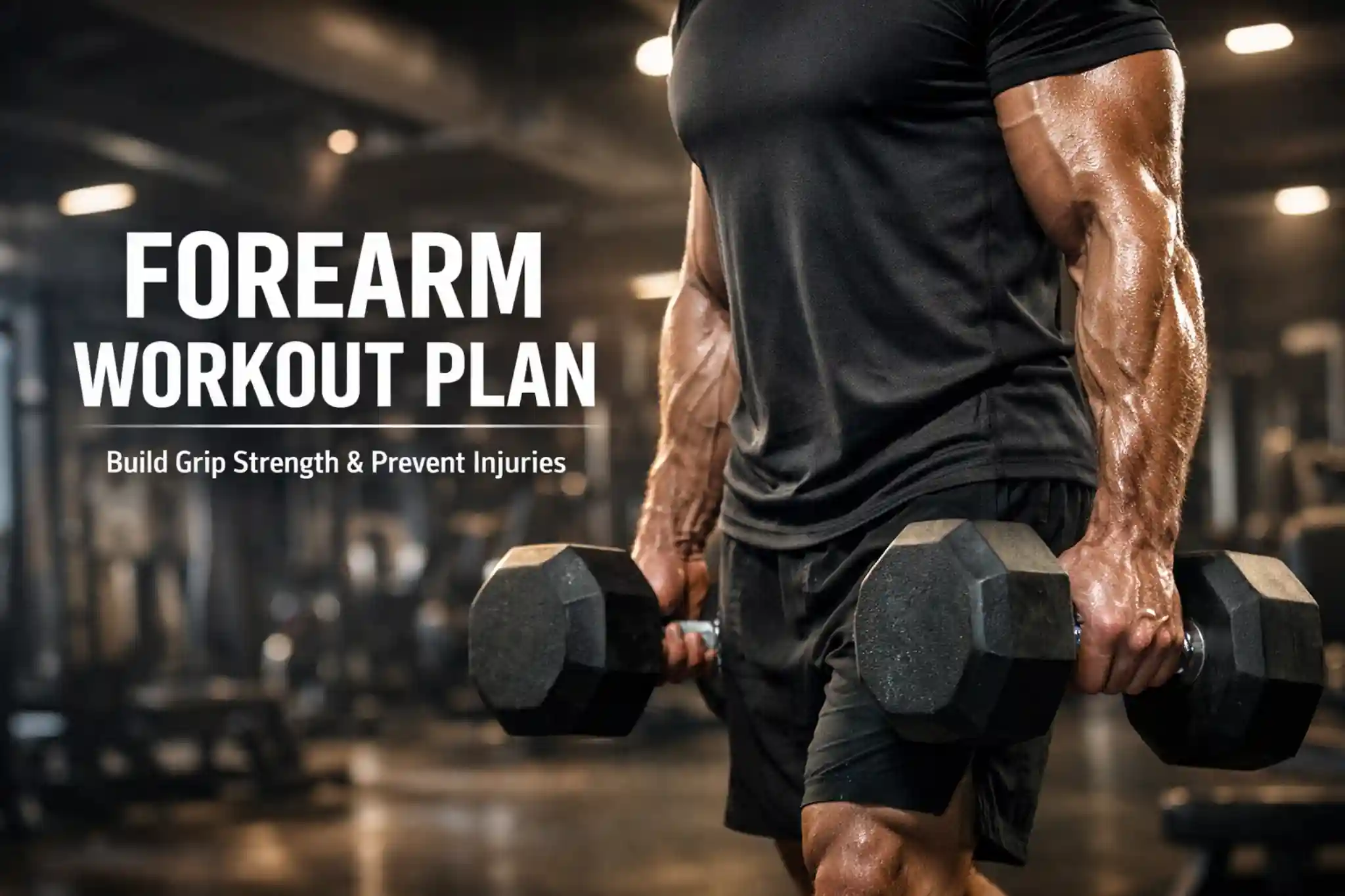
A forearm workout plan is a targeted training routine designed to strengthen the muscles between your wrist and elbow. It's a crucial component for improving functional grip strength, enhancing performance in other lifts, and preventing common joint and tendon injuries.
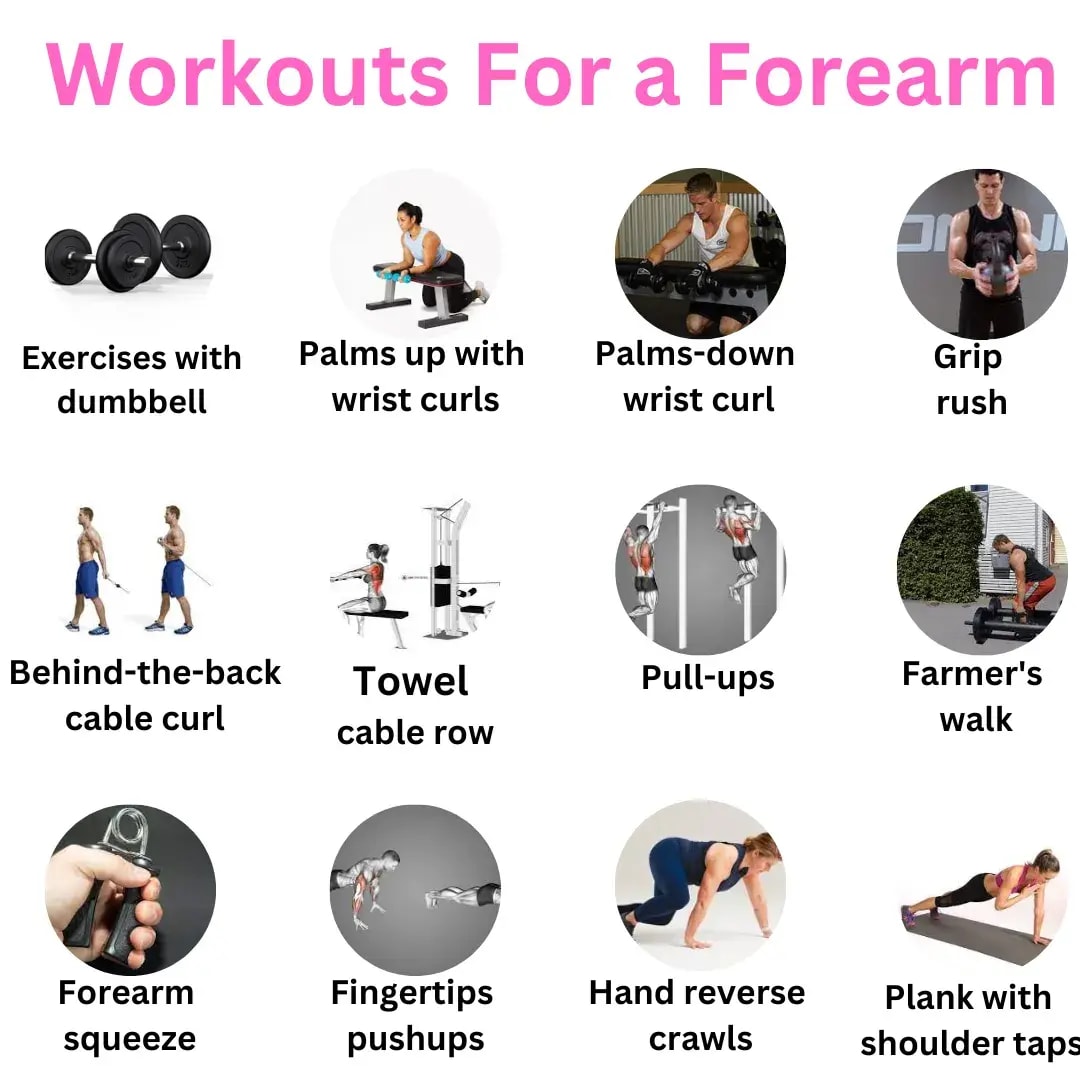
- Boosts Critical Grip Strength: Perform targeted exercises like wrist curls and farmer's walks to directly strengthen your hold, which is essential for progressing in other major lifts like deadlifts.
- Integrates with Existing Workouts: Add 2-3 forearm movements to the end of your upper body days, ensuring your grip isn't pre-fatigued for your primary compound lifts beforehand.
- Utilizes Simple Equipment: Effective training relies on basic dumbbells, barbells, and grip trainers, so you don't need complex machines to build serious functional forearm strength.
- Prevents Common Injuries: A structured plan helps avoid overtraining these smaller muscles, which is a key strategy for preventing common issues like tendonitis or elbow pain.
Who should use this
Individuals committed to improving overall functional strength, breaking through lifting plateaus, and building a more balanced physique through a science-backed, sustainable training approach.
Introduction: The Unseen Foundation of True Strength
Let's be honest. When you think about building an impressive physique, what comes to mind? It’s probably broad shoulders, a chiseled chest, or powerful legs. But what if the key to unlocking your next level of strength and achieving a true overall body transformation lies in a far more overlooked area? Here's the thing: your progress in nearly every major lift—from deadlifts to pull-ups—is directly limited by the strength of your hands and forearms. You can't lift what you can't hold.
The forearm muscles are arguably the most neglected muscle group in modern strength training. Yet, they are the critical link between you and the weight you’re trying to move. It’s a classic case of a chain being only as strong as its weakest link. For dedicated individuals like our founder, Christian, this realization was a turning point. He saw countless people hitting plateaus, not because their primary muscles failed, but because their grip gave out first. This isn't just about lifting more; it's about fundamental capability.
Why Grip Strength is a Non-Negotiable for Health and Performance
The importance of grip strength extends far beyond the gym walls. It’s a cornerstone of functional fitness, impacting daily tasks from carrying groceries to swinging a tennis racket. The reality is, a powerful grip is one of the most reliable indicators of your overall health and vitality. In fact, research consistently shows a strong correlation between grip strength and longevity. Studies have even found that grip strength is a better predictor of all-cause mortality than blood pressure.
Think about that for a second. The simple act of strengthening your forearm muscles could have profound implications for your long-term well-being. It’s not just about aesthetics; it’s about building a more resilient, capable, and healthier you for years to come. This is the very philosophy that drives our work at Original Body.
A Holistic Approach to Building Power
Simply throwing in a few wrist curls at the end of your workout won't cut it. To truly develop powerful, functional forearms, you need a smarter approach. You need a comprehensive forearm workout integrated into a balanced routine. This is where science-based fitness programs become essential. They ensure that every part of the body is developed in harmony, preventing imbalances and fostering sustainable results.
At Original Body, we don't believe in shortcuts or isolated "beach muscle" training. Our expert-guided programs—from our flagship 8-Week Fat Loss Programs to our Personalized Nutrition Coaching—are designed to create a complete transformation. We focus on building a body that performs as well as it looks. And that process starts by reinforcing the foundation. Strong forearms support heavier compound lifts, which in turn stimulates greater muscle growth and metabolic response across your entire body.
So, are you ready to stop neglecting this crucial component of your fitness? This guide will provide you with the knowledge and actionable steps to build formidable grip strength. We’ll move beyond basic exercises and give you a complete blueprint for developing your forearm muscles. It’s time to build the unseen strength that unlocks your full potential. Let’s get started.
Key Benefits
You might think focusing on your forearms is just for aesthetics. But the reality is, developing this area unlocks a surprising cascade of benefits that impact everything from your daily life to your long-term health. It's not just about looks; it’s about building a more capable and resilient body from the hands up. So, what exactly are you gaining when you commit to a well-structured program? Let's break down the crucial advantages.
Amplify Your Lifting Performance
Here's the thing: your grip is often the weakest link in your biggest lifts. Your back and legs might be able to handle more weight on a deadlift, but if your hands can't hold the bar, you've hit a wall. Strengthening your Grip Strength and the key forearm muscles, like the Brachioradialis, directly translates to better performance. This allows you to fully exhaust the target muscles—not your hands. The bottom line? A stronger grip will absolutely boost your lifting numbers on pull-ups, rows, and carries.
This is where smart programming makes a difference. Instead of just doing endless curls, a holistic approach addresses these foundational weaknesses. Many Science-Based Fitness Programs incorporate specific protocols to build this supportive strength, ensuring you don't leave potential gains on the table.
Fortify Your Body Against Injury
Proactive Injury Prevention is one of the smartest things you can do for your fitness journey. Stronger forearm muscles and tendons create more stable wrist and elbow joints. This stability is crucial for preventing common injuries, especially repetitive strain issues like Tennis Elbow, which often stems from muscular imbalances. Properly strengthening the forearm extensors and flexors can significantly reduce stress on the elbow joint.
Think of it as building armor for your joints. Whether you're lifting heavy, playing sports, or doing manual labor, this added resilience keeps you in the game and out of the doctor's office. It's a non-negotiable part of long-term training success.
Build Functional Strength and a Balanced Physique
What good is gym strength if it doesn't show up in the real world? This is where functional real-world strength comes into play. From carrying heavy groceries with ease to opening a stubborn jar, a powerful grip makes daily tasks feel effortless. This practical capability is a direct result of targeted training and contributes to an overall sense of confidence and independence.
And let's be honest—aesthetics matter too. Well-developed forearms create a more balanced and aesthetically pleasing physique. They signal strength and complete the look of strong arms and a powerful upper body. Expert-Guided Programs, like those available on the Original Body Mobile App, ensure you're building this strength symmetrically and effectively, creating a body that doesn't just look strong but performs that way too.
Enhance Metabolic Health and Longevity
Now for a benefit you probably didn't expect. Did you know your grip strength is a powerful indicator of your overall health? It's true. Large-scale studies have shown that Grip Strength is a remarkably accurate predictor of future health outcomes. It's even been linked to a lower risk of cardiovascular events and all-cause mortality. Stronger grip often correlates with better overall muscle mass and vitality.
While improving your grip alone won't solve everything, it’s part of a bigger picture of total wellness. It reflects a commitment to strength that benefits your entire system. For those looking to optimize their well-being, combining effective training with strategies like Metabolic Reset Methods and Personalized Nutrition Coaching can profoundly impact your Metabolic Health. This comprehensive approach, often found in structured plans like 8-Week Fat Loss Programs, leads to enhanced athletic performance and a healthier life.
How It Works
Building impressive forearms isn't about random exercises or just hoping for the best. It's a process rooted in science. The reality is, when you understand the mechanics behind the movement, you gain precise control over your results. So, what’s actually happening under the skin when you train for a stronger grip and more defined forearms? It all begins with a clear understanding of your body’s own blueprint.
Understanding the Anatomy of the Forearm
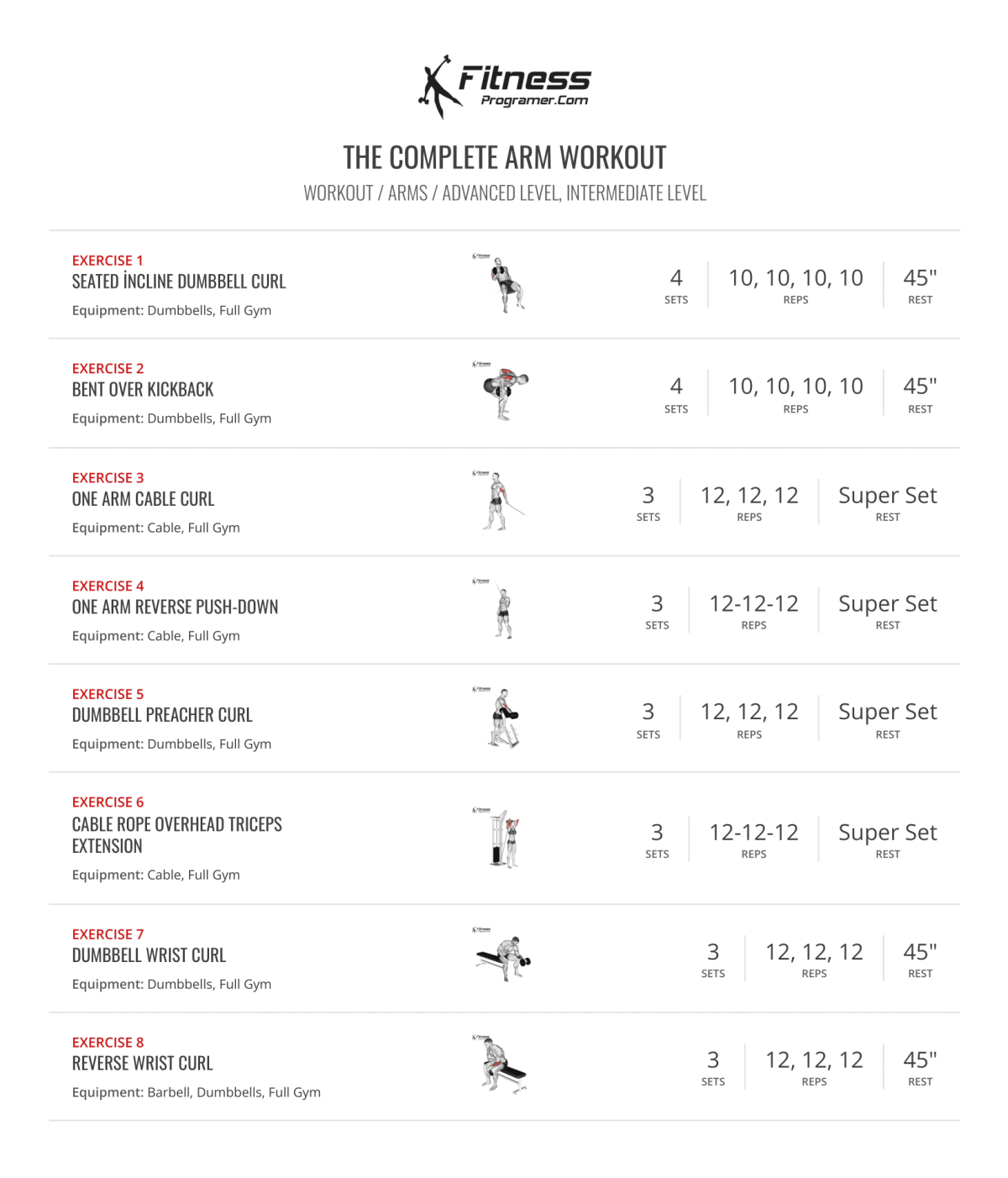
Look, your forearm is a complex piece of biological machinery. It's not just one muscle. The anatomy of the forearm is composed of several key players. The primary groups you'll be targeting are the Forearm Flexors (on the palm side) and the Forearm Extensors (on the top side). The flexors are the main muscles responsible for grip and curling your wrist inward—a movement called wrist flexion. The extensors do the opposite, handling wrist extension. Simple, right?
But wait, there's more. We can't forget the prominent Brachioradialis. This powerful muscle sits atop your forearm near the elbow. It's a major player in elbow flexion, especially with a neutral (hammer) grip. Truly understanding how these muscles work together is the first step toward unlocking their full potential. It's not just about lifting; it's about lifting with intent.
The Science of Muscle Growth in Action
Now for the fun part: the science of muscle growth, or hypertrophy. The core principle you need to master is Progressive Overload. This concept is simple but incredibly powerful. To grow, a muscle must be subjected to a stressor that is greater than what it’s used to.This forces your muscle fibers to adapt by becoming larger and stronger. It's a fundamental law of strength training.
The Biomechanics of each exercise determine which muscle fibers receive that stress. That’s why your form is so critical. A slight change in wrist angle can shift the focus from one muscle group to another. This is also where the mind-muscle connection comes into play. You have to consciously focus on the muscle you're working to ensure it's being fully activated. It's the difference between just moving weight and commanding growth.
Applying the Principles for Real Results
So, how do you put all this knowledge into a cohesive plan? You need structure. Random workouts won't effectively apply progressive overload. This is where well-designed, Science-Based Fitness Programs become invaluable. They map out the entire process for you. For instance, our Expert-Guided Programs available in the Original Body Mobile App are built on these exact scientific principles. They ensure you’re systematically challenging your muscles for consistent growth.
Instead of guessing, you follow a proven path. Programs like our 8-Week Fat Loss Programs integrate targeted strength work with metabolic conditioning. This ensures you’re not just building muscle but also creating a leaner physique. It’s about working smarter, not just harder. The bottom line is that a structured approach removes the guesswork and maximizes your effort.
And don't forget nutrition—it's the fuel for all this growth. You can have the perfect training plan, but without proper nutrients, your muscles simply can't repair and rebuild themselves. This is where services like Personalized Nutrition Coaching and our Metabolic Reset Methods can be game-changers. They align your diet with your training, creating an optimal environment for natural body transformation.
The Ultimate 8-Week Forearm Workout Plan
Let's be honest. Forearms are often an afterthought in most training splits. They get some secondary work from curls and rows, but dedicated training? It's rare. The reality is, powerful forearms are crucial for grip strength, which translates directly to heavier lifts in exercises like deadlifts and pull-ups.Grip strength is a key indicator of overall strength and health. Ready to build some serious functional power? 8-Week Forearm Workout Plan
This comprehensive 8-week workout program is designed to do just that. We'll split it into two distinct four-week blocks. It's a structure you'll find in many effective, science-based fitness programs, including those on the Original Body Mobile App. The first phase builds your base, and the second cranks up the intensity for serious growth.
Phase 1: Foundational Strength Phase (Weeks 1-4)
The goal here is simple: build a solid foundation. You can't construct a skyscraper on sand, right? We're focusing on heavy, compound movements that challenge your entire grip and forearm musculature. During this phase, prioritize mastering proper exercise form over lifting excessively heavy weight. Slow, controlled movements are your best friend.
Your focus exercises for this phase are:
- Farmer's Walks: This is the king of grip strength. Grab a heavy dumbbell or kettlebell in each hand, stand tall with your core braced, and walk. It’s that simple—and that brutal. Aim for distance or time.
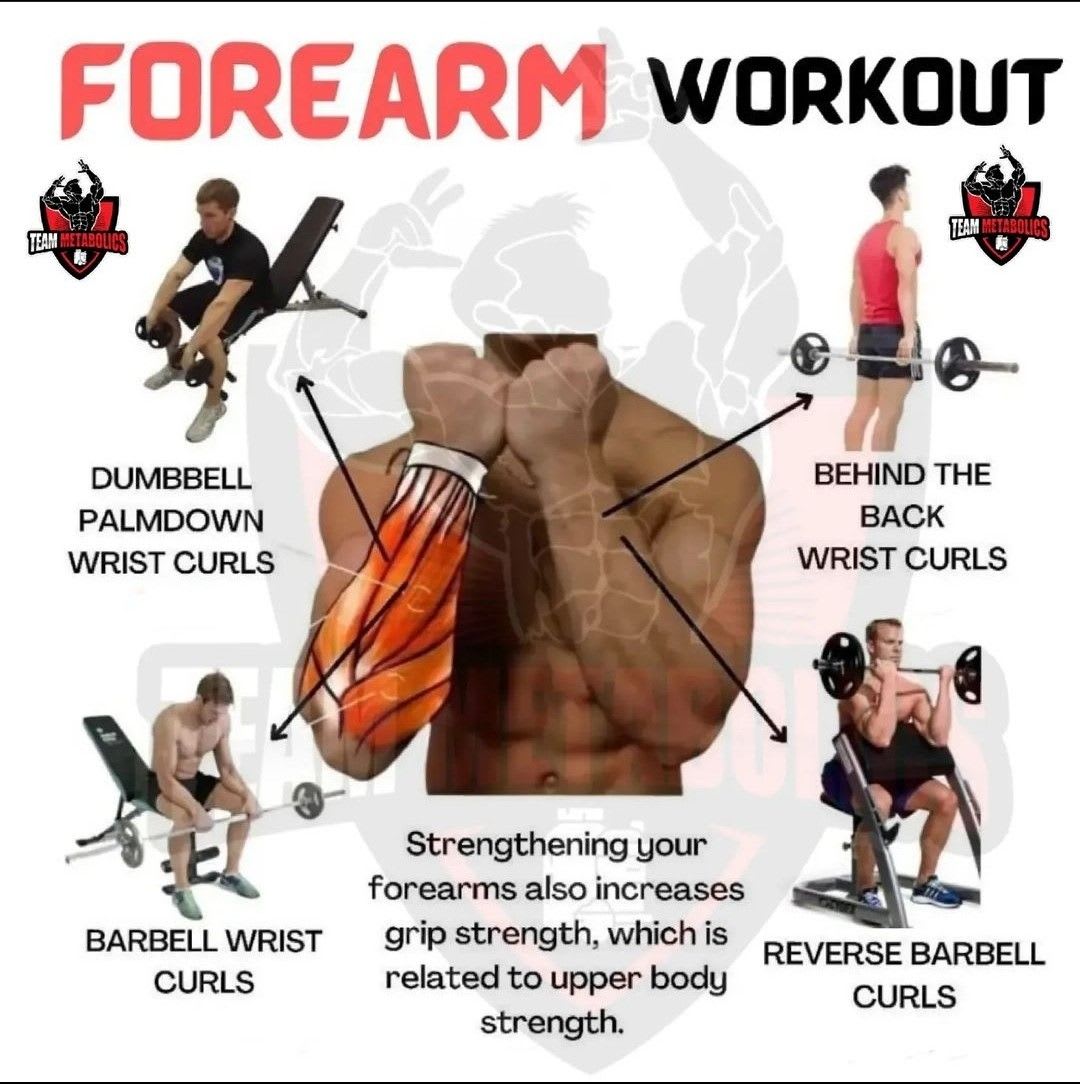
- Reverse Wrist Curls: These target the often-neglected forearm extensors on the top of your forearm. Sit on a bench with your forearms resting on your thighs, palms down. Using a light barbell or dumbbells, extend your wrists upwards.
Phase 2: Intensification and Growth Phase (Weeks 5-8)
Now that you've built a base, it's time to zero in on hypertrophy. The intensification and growth phase introduces more isolation work to target specific muscle heads for that dense, vascular look. The volume increases slightly, and you should focus on feeling the "burn" and achieving a solid muscle pump. This is where you'll really see the visual changes start to pop.
Add these exercises to your routine:
- Wrist Curls: The opposite of the reverse curl, this classic movement targets the forearm flexors. With your palms facing up, curl the weight towards you, squeezing hard at the top.
- Zottman Curls: A fantastic combination exercise. You'll perform a standard dumbbell curl with your palm up, but at the top, you rotate your wrist so your palm faces down. Then, you lower the weight slowly.
- Plate Pinches: This one is purely for crushing grip strength. Pinch two weight plates together—smooth side out—and hold for as long as possible.
Your 8-Week Forearm Program at a Glance
Here’s the breakdown of your workout, which you should perform 2-3 times per week. Remember, adequate rest and recovery days are essential for muscle growth. Don't skip them. For truly optimized recovery, pairing your training with a solid diet is non-negotiable. Services like Personalized Nutrition Coaching can make a huge difference in your results.
| Component | Weeks 1-4 (Foundational Strength) | Weeks 5-8 (Intensification & Growth) |
|---|---|---|
| Frequency | 2 days per week | 2-3 days per week |
| Key Exercises | Farmer's Walks, Reverse Wrist Curls | Zottman Curls, Wrist Curls, Plate Pinches |
| Sets and Reps | 3 sets of 8-12 reps (Walks for 30-45 sec) | 3-4 sets of 10-15 reps (Pinches for time) |
The bottom line? Consistency is everything. Stick to this 8-week workout program, focus on progressive overload, and fuel your body correctly. You'll not only see impressive forearm development but also experience a dramatic improvement in your lifting performance across the board. It’s a win-win.
Expert Tips
Avoiding Common Pitfalls: The Foundation of Progress
It’s tempting to adopt a 'more is more' mindset. We see elite athletes training for hours and think that's the only path. But here's the thing: you're not them. One of the most significant Common Mistakes is copying professional routines without a professional's recovery capacity. This inevitably leads to Overtraining. Are you constantly tired, irritable, or seeing your lifts stall for weeks? Those aren't signs of hard work; they're signs your body is screaming for a break. Overtraining syndrome can suppress immune function and disrupt hormonal balance.
Truly listening to your body is a skill. It means distinguishing between the discomfort of growth and the pain of an impending injury. The practice of avoiding common pitfalls starts with this self-awareness. Instead of pushing through sharp pain, a smart athlete adjusts. This might mean reducing intensity, swapping an exercise, or taking an extra rest day. Structured systems, like the Expert-Guided Programs offered by some platforms, often build in deloads and active recovery weeks to manage fatigue systematically, preventing you from ever reaching that burnout stage. It’s about playing the long game for your health.
Optimizing Your Recovery: Beyond the Workout
Training is the stimulus, but growth happens during rest. That's a fact. So, optimizing your recovery is just as crucial as your workout itself. While sleep is the undisputed champion of Recovery Strategies, it’s not the only player on the field. Think of recovery as a multi-faceted approach. Techniques like foam rolling, contrast showers, and even gentle yoga can significantly enhance your body's repair processes. They work by boosting circulation and reducing inflammation, which is key to muscle adaptation.
Let’s get practical. For anyone focused on strength, grip is often a limiting factor, and the muscles involved get overworked easily. That's why targeted Forearm Stretches are non-negotiable. After a heavy session, gently extend your wrist in both directions for 20-30 seconds. This simple act can alleviate strain, prevent conditions like tendonitis, and ensure your hands are ready for the next challenge. It’s these small, consistent habits that build a resilient body and prevent minor issues from becoming major setbacks.
Strategic Training and Nutrition for Long-Term Success
Look, generic plans yield generic results. To truly excel, you must strategically target your weaknesses. This is where specialized training equipment can be a game-changer. If your grip fails before your back on a heavy pull, tools like Grip Trainers or fat grips aren't just accessories—they're essential for breaking through plateaus. But don't just buy gear randomly. You must integrate it with purpose into a program designed to address that specific weakness for it to be effective.
And no amount of perfect training can overcome poor Nutrition. It's the literal foundation of your progress. You can't build a strong house on sand. Your diet must provide the energy for intense workouts and the protein for muscle repair. It’s not just about calories; it’s about nutrient timing, macronutrient balance, and micronutrient density. This synergy between effort and fuel is what creates long-term sustainable progress.
Putting it all together can feel overwhelming. That’s why integrated ecosystems are so effective. For example, you might use the Original Body Mobile App to access Science-Based Fitness Programs while simultaneously getting Personalized Nutrition Coaching to align your diet. For a complete overhaul, an 8-Week Fat Loss Program or a protocol using Metabolic Reset Methods provides a fully guided experience. The key is finding a system where all the pieces—training, nutrition, recovery—work together, taking the guesswork out of your journey.
Key Takeaways
- Boost your deadlifts and pull-ups with a structured forearm workout plan; grip strength is often the first point of failure in major lifts.
- Incorporate forearm training by adding 2-3 specific movements after your upper body days to build grip without compromising your primary lifts.
- A focused forearm workout prevents injuries like Tennis Elbow by strengthening extensors and flexors, creating crucial stability for wrist and elbow joints.
- The 8-week forearm workout plan progresses from a foundational strength phase (Weeks 1-4) to an intensification phase (Weeks 5-8) for systematic growth.
- Enhance long-term health and longevity by increasing grip strength, a key vitality indicator shown to be more predictive of mortality than blood pressure.
Frequently Asked Questions
How should I incorporate forearm exercises into my current workout schedule?
According to the article, you should add 2-3 targeted forearm movements to the end of your upper body workout days. This specific timing is recommended to ensure your grip isn't pre-fatigued before you perform your primary compound lifts like deadlifts or pull-ups. This strategy allows you to effectively train your forearms without compromising the performance of your main exercises.
Besides improving my lifts, what are the key health benefits of a forearm workout plan?
A dedicated forearm workout plan offers significant health benefits beyond the gym. The article highlights that strong grip is a reliable indicator of overall health and vitality. In fact, it cites research showing that grip strength is a better predictor of all-cause mortality than blood pressure, linking stronger forearms to enhanced metabolic health and longevity.
What is the structure of the 8-week forearm workout plan mentioned in the article?
The ultimate 8-week plan is divided into two distinct, four-week phases. Phase 1, covering weeks 1-4, is the 'Foundational Strength Phase,' designed to build a solid base. Phase 2, which runs from weeks 5-8, is the 'Intensification and Growth Phase.' This progressive structure ensures you build strength systematically for optimal, long-term results.
Why is grip strength considered a 'non-negotiable' for performance?
Grip strength is described as the critical link between you and the weight you're trying to move. The article emphasizes that your progress in nearly every major lift, from deadlifts to pull-ups, is directly limited by how much you can hold. If your grip fails before your larger muscles do, you hit a plateau, making a strong grip essential for unlocking your full strength potential.
What kind of equipment is needed for an effective forearm workout?
You do not need complex or specialized machines to build serious forearm strength. The article states that an effective training plan relies on basic, accessible equipment. This includes simple tools like dumbbells, barbells, and grip trainers, which are sufficient for performing key exercises like wrist curls and farmer's walks to directly strengthen your hold.