.webp)
The CrossFit Workout of the Day (WOD) is the daily fitness routine posted by CrossFit affiliates. It’s a high-intensity session blending weightlifting, gymnastics, and cardio, designed to improve overall fitness through constantly varied, functional movements.
- Systematic Development: WODs systematically target all ten general physical skills, from stamina and strength to balance and accuracy, ensuring you achieve well-rounded athletic development.
- Universal Scalability: Every workout is universally scalable, so you can adjust movements, loads, and intensity to perfectly match your individual fitness level and goals.
- Constant Variation: The constantly varied nature prevents training plateaus and boredom by challenging your body in new ways daily with different exercise combinations and formats.
- Performance Tracking: Performance is typically measured by time, rounds, or weight, creating a clear benchmark to track your progress and foster friendly competition.
Who should use this: Individuals seeking a structured yet dynamic fitness program that builds functional strength and conditioning within a highly motivating, community-driven environment.
Introduction
Ever walk into a gym and feel completely lost? 🤔 You see a sea of complex machines and people moving with purpose, while you're left wondering what to do first. It’s a common feeling, especially for busy professionals trying to squeeze effective exercise into a packed schedule. The fitness world is flooded with advice, making it tough to find a clear path. You just want something that works—something that delivers real results without demanding hours of your precious time each day.
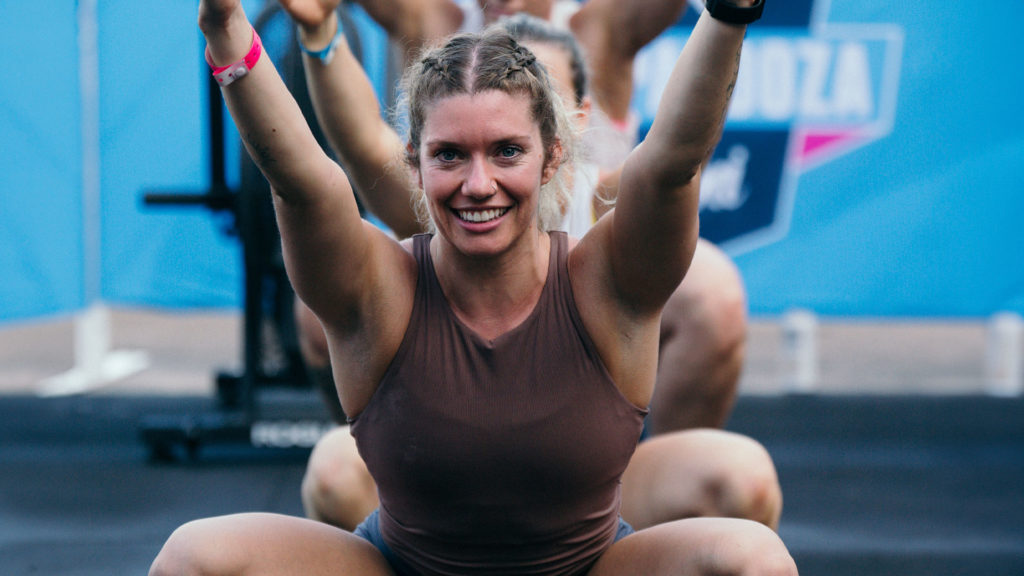
This is where concepts like CrossFit have exploded in popularity. It's more than just a workout; it's a philosophy built on intensity, community, and efficiency. At the very heart of this global fitness movement is a simple but powerful idea: the Workout of the Day, or as it's universally known, the WOD. It’s the daily prescription for getting stronger, faster, and healthier. But what is a WOD, really? And how has this single concept revolutionized fitness for busy professionals around the globe?
What Exactly is a CrossFit Workout of the Day (WOD)?
So, let's break it down. The CrossFit Workout of the Day is the daily workout routine posted by CrossFit gyms (called "boxes") and on their main website. Instead of you creating a plan, the experts have already done it. You just show up and get to work. It’s a brilliant solution to decision fatigue. No more wandering around the gym wondering if you should do cardio or weights. The choice is made for you.
The magic behind the WOD lies in its core principle: constantly varied functional movements performed at high intensity. That sounds like a mouthful, but it's actually pretty simple. "Constantly varied" means the workouts change every single day. This keeps your body guessing and prevents the dreaded fitness plateau. One day you might be running and lifting, the next you could be doing gymnastics and rowing. It’s never boring.
"Functional movements" are exercises that mimic everyday life. Think about it—squatting is like sitting down and standing up. Deadlifting is just picking something heavy off the ground. This is functional fitness at its core, preparing your body for real-world challenges. Finally, "high-intensity training" is the engine that drives results. By working hard for a shorter period, you can achieve significant fitness gains. This approach is proven to improve aerobic and anaerobic fitness effectively.

Why This Approach Resonates with Busy Professionals
The reality is, most professionals don't have 90 minutes to spend at the gym every day. The WOD structure is a game-changer. These sessions are short, intense, and incredibly effective. You can get a comprehensive, full-body workout in under an hour, including warm-up and cool-down. This efficiency is a massive draw for anyone balancing a career, family, and personal health. You’re in, you work hard, and you’re out. ✅
Plus, the pre-planned nature of the WOD removes a huge mental barrier. The workout is designed and tested for effectiveness. Your only job is to give it your best effort. This structure also fosters a powerful sense of progress. Most WODs are scored—by time, by reps, or by weight lifted. This allows you to track your performance over time, providing concrete evidence that your hard work is paying off. It's data-driven fitness, which often appeals to the analytical mindset of a professional.
Is High-Intensity Training the Only Path to Fitness?
Look, the high-intensity training model of CrossFit is undeniably effective for many. But is it the only way? Absolutely not. The best fitness plan is the one you can stick with consistently. For some, the competitive, high-octane environment of a CrossFit box is the perfect motivator. For others, a more personalized and strategic approach might be a better fit for their long-term goals and lifestyle.
Here's the thing—true health is about more than just a daily workout. It's about understanding the "why" behind your actions. This is where programs from companies like Original Body come into play. Their Original Body Footprint, for example, isn't just a workout plan; it's a strategic guide. It focuses on educating you about the fundamental truths of diet, exercise, and sustainable health, creating a solid foundation for life.
Similarly, their Natural Body Transformation Program offers a structured system to turn your body into a fat-burning machine through natural methods. It emphasizes a long-term strategy over quick fixes. This approach can be ideal for individuals who want a comprehensive roadmap without the specific intensity of a daily WOD. Both paths can lead to incredible results; it's about finding the philosophy that aligns with you. And today, many of these systems are supported by convenient Mobile Applications that help you track progress and stay on course.
Key Benefits of High-Intensity Functional Training
So, you're curious about the real-world results of a consistent, high-intensity training regimen. It’s about so much more than just looking better. The reality is, the most profound changes happen on the inside. We're talking about building a body that’s not only stronger but also more resilient and efficient. It's about gaining the energy and confidence to tackle anything life throws your way. Ready to see what you can truly achieve? Let's dive into the core benefits. essentially full body workout

Unlocking Your Physical Potential
At its heart, this style of training is designed to make you a more capable human being. You'll see significant strength gains across the board. We're not just isolating biceps here; we're talking about functional strength. This is the kind of power that helps you lift heavy groceries, play with your kids, and move furniture without a second thought. Every session is essentially a full body workout, teaching different muscle groups to work together seamlessly. It’s total-body integration.
But strength is only half the equation. What about your engine? This is where cardiovascular endurance comes in. Pushing your limits consistently trains your heart and lungs to work more efficiently. A key metric here is your VO2 max, which measures the maximum amount of oxygen your body can use during intense exercise. Improving your VO2 max is one of the best indicators of long-term health and cardiovascular fitness. Better endurance means more stamina for everything you do. 🏃♀️
Revving Up Your Metabolic Engine 🔥
Here's the thing many people don't realize. The workout is just the start. The real magic happens afterward. Through intense metabolic conditioning, you create an "afterburn" effect. This leads to a significant boost in metabolic rate that can last for hours post-exercise. Your body continues burning calories at an elevated rate as it works to recover and repair itself. It’s like your metabolism gets a serious upgrade.
This process is a game-changer for achieving improved body composition. You're not just losing weight; you're building lean muscle while shedding fat. This powerful combination is what creates a strong, toned physique. For those who want a structured path to this, programs like the Natural Body Transformation Program are designed specifically to turn your body into a fat-burning machine through strategic, natural methods, minus the guesswork.
Forging a Resilient Mindset 🧠
The physical changes are amazing, but the mental shifts are truly life-altering. Pushing through a challenging workout when your mind is screaming "quit" builds incredible mental toughness. You learn to be comfortable with being uncomfortable. This resilience doesn't stay in the gym—it spills over into your personal and professional life. You develop a new level of grit and determination. You learn that you're capable of more than you ever thought possible.
Plus, you're not doing it alone. The community aspect is one of the most powerful, and often overlooked, benefits of crossfit and similar group training styles. Working out alongside others creates a powerful sense of camaraderie and accountability. You celebrate each other's victories and push each other through the tough moments. It's a built-in support system.
Of course, the group setting isn't for everyone. Some people thrive with a more personalized, educational approach. That's where a strategic plan like the Original Body Footprint can be invaluable. It provides the core education on diet, exercise, and health, often supported by dedicated mobile applications, allowing you to build that same resilience on your own terms.
The Complete Package: More Than Just a Workout
The bottom line? The benefits extend far beyond the gym walls. You're building a foundation for a healthier, more vibrant life. It’s about combining strength, endurance, and mental fortitude into one complete package. You’re not just exercising; you’re training for life itself. Whether in a group class or guided by a personal strategic plan, you’re investing in the most valuable asset you have. Yourself. 💪
The Building Blocks: Common CrossFit Exercises & Essential Gear
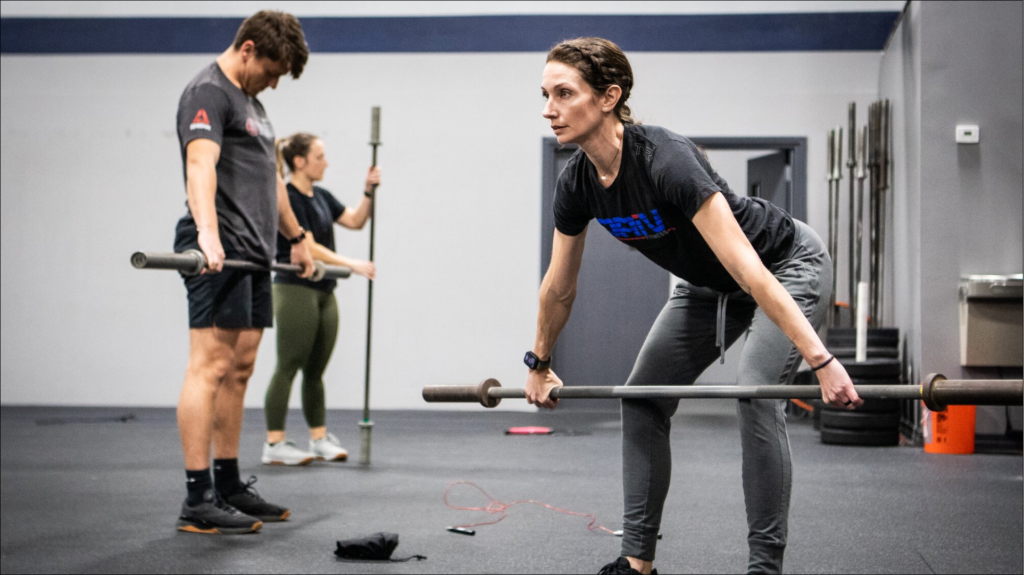
Diving into CrossFit can feel like learning a new language. You hear terms like WOD, AMRAP, and Thruster, and it's easy to feel a little lost. But here's the thing: behind all the acronyms is a core foundation of powerful, effective movements. These are the true building blocks of fitness. You don't need to be an elite athlete to start. You just need to learn the basics. Ready to see what they are? 💪
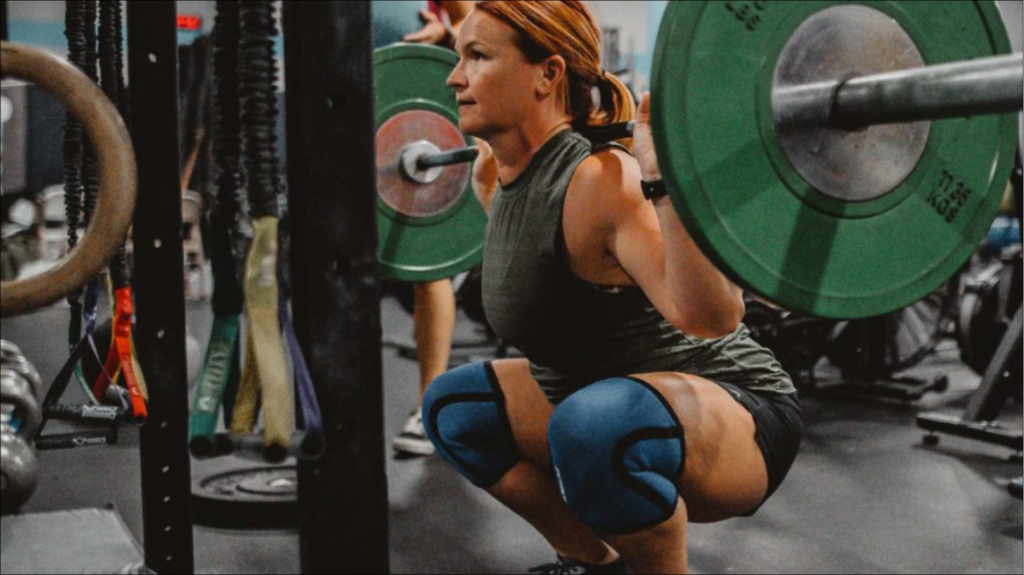
The reality is that many of these exercises are scalable to any fitness level. The focus is on mastering form before adding intensity or weight. This principle of strategic progression is key. It’s the same philosophy behind structured plans like the Original Body Footprint, which educates you on the right way to approach exercise for long-term health, not just short-term gains.
The Core Moves: Fundamental CrossFit Movements
At its heart, CrossFit programming is built on constantly varied functional movements. Let's break down a few of the most common ones you'll encounter. These are the non-negotiables of functional fitness.
Mastering Bodyweight Exercises First
Before you even touch a barbell, you'll get very familiar with your own body weight. Mastering these foundational bodyweight exercises is crucial. It builds the base for everything else.
- Burpees: The ultimate full-body test. You drop to the ground, do a push-up, pop back up, and jump. It’s a cardiovascular powerhouse that builds grit like nothing else.
- Pull-ups: A classic measure of upper body strength. They target your back, shoulders, and arms. Don't worry if you can't do one yet—there are many ways to scale this movement.
- Box Jumps: An explosive plyometric exercise. Box jumps develop power, speed, and coordination. You simply jump from the floor onto a sturdy, elevated surface.
Adding Weight for Strength & Power
Once you have a solid bodyweight foundation, you'll start incorporating weights. This is where you build serious strength and metabolic conditioning. The goal isn't just to lift heavy; it's to move well.
- Kettlebell Swings: This isn't a squat or an arm exercise. It's a powerful hip-hinge movement that builds a rock-solid posterior chain (glutes, hamstrings, back). It’s a fantastic calorie-burner.
- Thrusters: A dynamic compound movement. It combines a front squat with an overhead press. Done with a barbell, dumbbells, or kettlebells, it’s a full-body challenge that will leave you breathless.
- Olympic Weightlifting: This includes two main lifts: the snatch and the clean and jerk. They are technical but unmatched for developing total-body power, speed, and coordination.
Getting Started with Gear: What You Really Need
Walking into a CrossFit box can look like a hardware store for athletes. But you don't need to buy it all at once. The truth is, you can get an incredible workout with just a few key items. Focusing on a strategic approach, like the one taught in the Natural Body Transformation Program, means prioritizing what works over what's trendy.
So, what's truly essential? Let's separate the must-haves from the nice-to-haves. Many people use mobile applications to track their workouts and progress, which can be a great way to stay motivated as you build your fitness toolkit.
Essential CrossFit Equipment vs. Optional Upgrades
Here’s a simple breakdown to help you prioritize when you're getting started with gear.
| Essential Gear (The Must-Haves) | Optional Gear (The Nice-to-Haves) |
|---|---|
| Good Training Shoes: Look for flat, stable soles for lifting. Running shoes are often too cushioned. | Weightlifting Belt: Provides core support during very heavy lifts but shouldn't be a crutch. |
| Jump Rope: A simple, effective tool for cardio and coordination. Speed ropes are a staple. | Gymnastics Grips: Protects your hands during high-rep pull-ups or toes-to-bar. |
| Athletic Apparel: Comfortable, breathable clothing that allows for a full range of motion. | Knee Sleeves: Offers compression and support for your knees during heavy squats and lifts. |
The bottom line? Start with the basics. Master the movements. The gear is just a tool to help you on your journey. Focus on consistency and proper form, and you'll be well on your way. 🚀
Fueling Your Performance: Nutrition and Recovery for the CrossFit Athlete
You just crushed a brutal AMRAP. You left it all on the floor, chalk dust settling around you. But an hour later, you feel completely wiped out, and that feeling lingers for the rest of the day. Sound familiar? The reality is, what you do outside the box is just as crucial as the work you put in during the WOD. True performance isn't just about intensity; it's about intelligent fueling and recovery. This is where a smart strategy for nutrition for crossfit becomes your ultimate secret weapon. 🏋️♀️
Mastering Your Macros: The Building Blocks of Power
Let's not overcomplicate things. Your body needs three main macronutrients: carbohydrates, proteins, and fats. Think of them as the core team for your athletic engine. Carbohydrates are your primary energy source, providing the high-octane fuel needed for those explosive movements and high-rep sets. Protein is the repair crew, rebuilding the muscle fibers you break down during training. And healthy fats? They’re essential for hormone production and overall health, keeping your engine running smoothly.
But how much of each do you need? It’s not a one-size-fits-all answer. Your needs depend on your body, goals, and training volume. This is where foundational education is key. A strategic plan like the Original Body Footprint can provide the essential education on diet and health, helping you understand your unique needs without the confusing guesswork. It's about building a solid base of knowledge first.
Timing is Everything: Pre-Workout and Post-Workout Fuel
What you eat around your workout can make a massive difference in your performance and recovery. It’s a game-changer.
Pre-Workout Nutrition
About 60-90 minutes before your session, you'll want to consume a meal or snack rich in easily digestible carbohydrates with a moderate amount of protein. This tops off your glycogen stores, giving you the immediate energy to push hard. A piece of fruit with a scoop of protein powder or some oatmeal with berries works perfectly. You’re essentially preparing your body for battle.
Post-Workout Recovery
After your workout, your muscles are screaming for nutrients to start the repair process. This is where post-workout recovery comes in. Aim to consume a mix of fast-digesting carbs and protein within an hour or two after training. This combination helps replenish energy stores and kick-starts muscle protein synthesis. Research shows this window is critical for maximizing recovery and adaptation. A simple protein shake with a banana is a classic for a reason—it works.
Beyond the Plate: The Unsung Heroes of Recovery
Great nutrition is the cornerstone, but elite fueling for performance goes further. The importance of recovery cannot be overstated, and it involves more than just a post-WOD shake. It’s a 24/7 commitment.
Hydration 💧
This seems obvious, but it’s so often overlooked. Dehydration can tank your performance. Losing just 2% of your body weight in fluid can impair physical performance significantly. Keep a water bottle with you all day. Sip constantly. Don't wait until you're thirsty to drink, because by then, it's already too late.
Sleep 😴
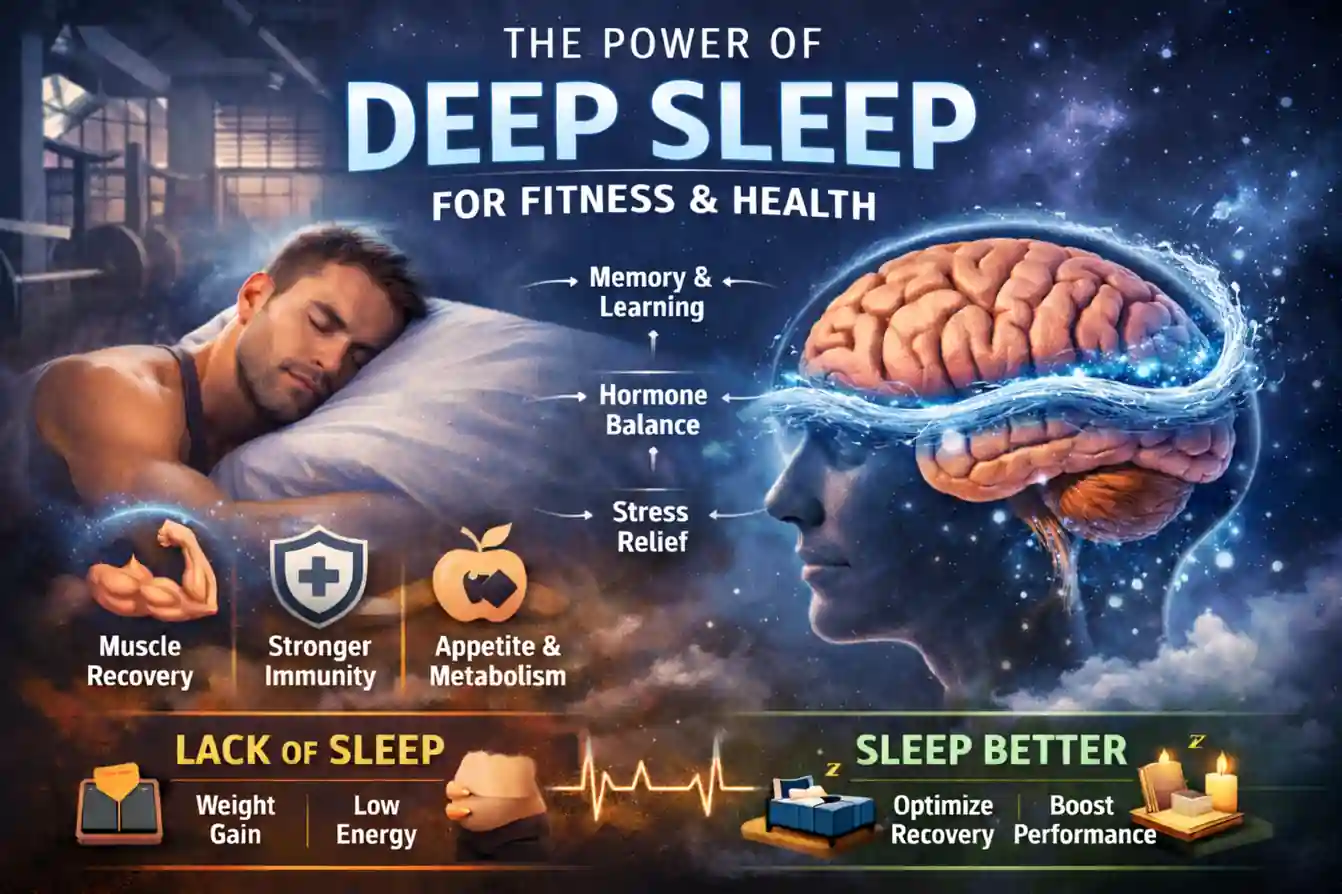
Sleep is your body's prime time for repair. It’s when your body releases growth hormone and gets to work healing damaged tissues. Skimping on sleep sabotages your gains, period. Aim for 7-9 hours of quality sleep per night. It’s non-negotiable if you’re serious about your progress. This is a core principle behind many science-based fitness programs—they recognize that gains are made during rest.
Active Recovery
On your rest days, don't just become a couch potato. Light, low-intensity movement—known as active recovery—can do wonders. Think a long walk, a gentle swim, or some mobility work. This increases blood flow to your muscles, helping to clear out metabolic waste and reduce soreness. It’s about helping your body heal faster so you can come back stronger.
The bottom line? Creating this holistic system can feel overwhelming. That's why structured plans exist. Programs like the Natural Body Transformation Program are designed to build these habits into a cohesive strategy, turning your body into an efficient, fat-burning machine through natural methods. With support from tools like their Mobile Applications, you can track your progress and stay consistent. It’s about having a strategic plan, not searching for a magic pill.