.webp)
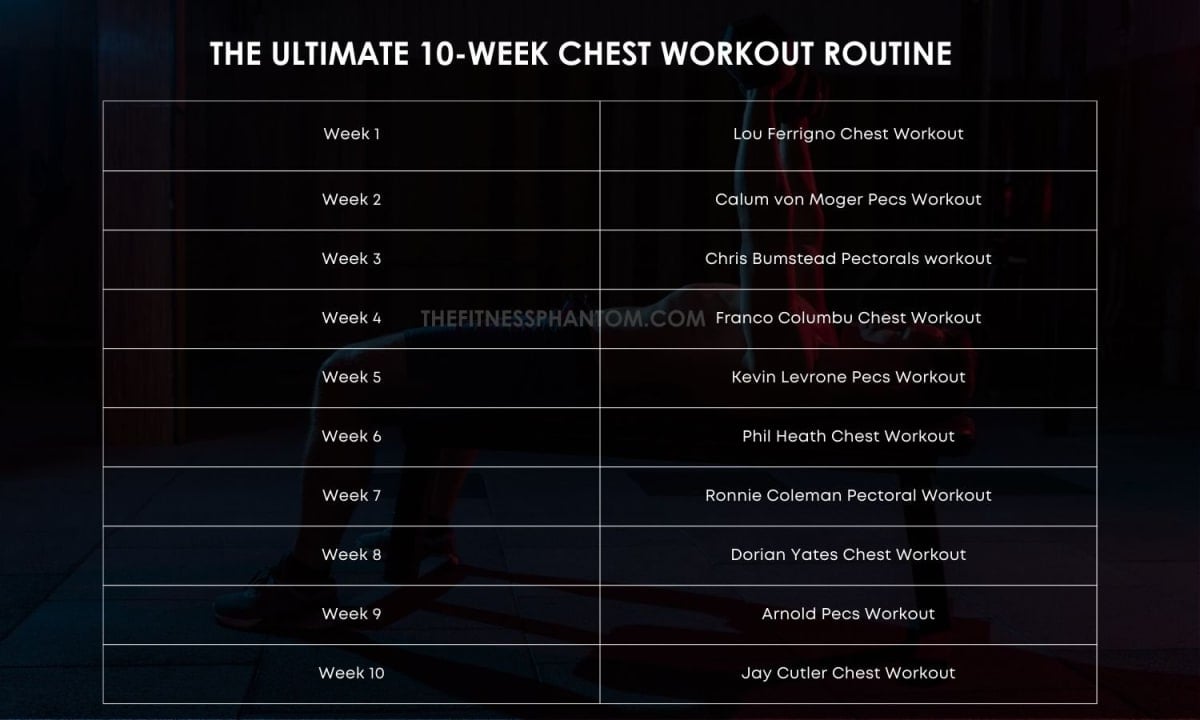
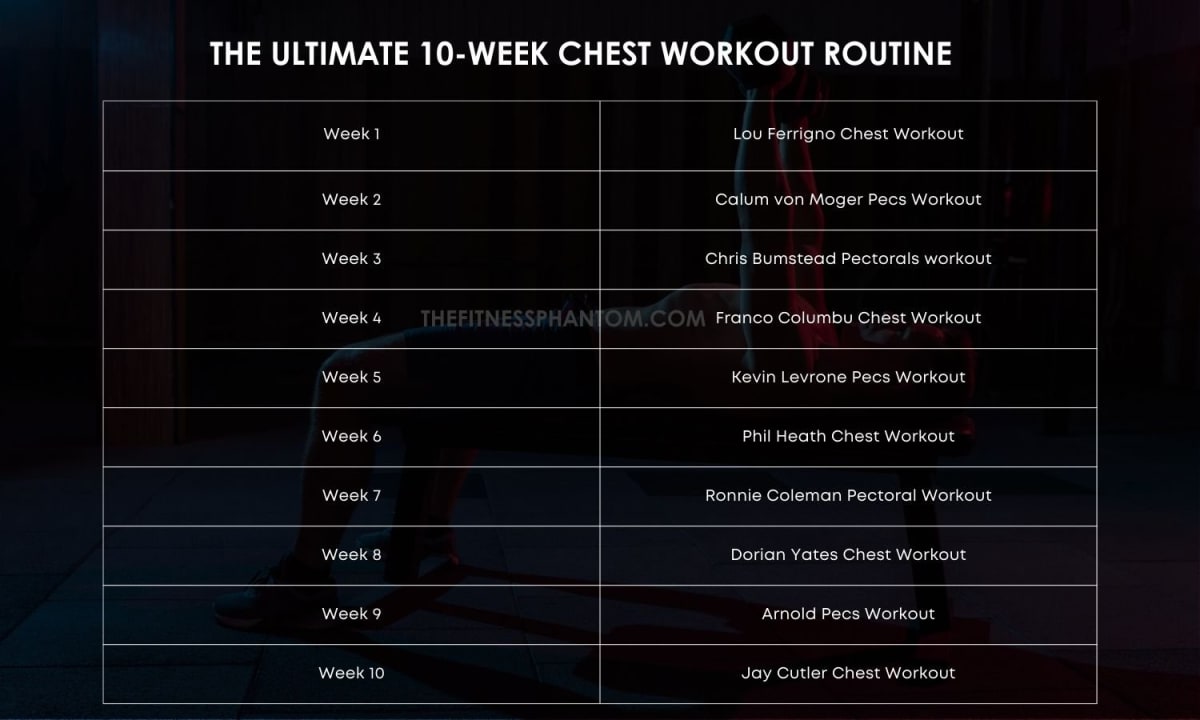
A beginner chest workout plan is a foundational strength training routine designed to safely build muscle and strength across the pectoral muscles. It focuses on compound movements with proper form to establish a solid base for future, more advanced training programs.
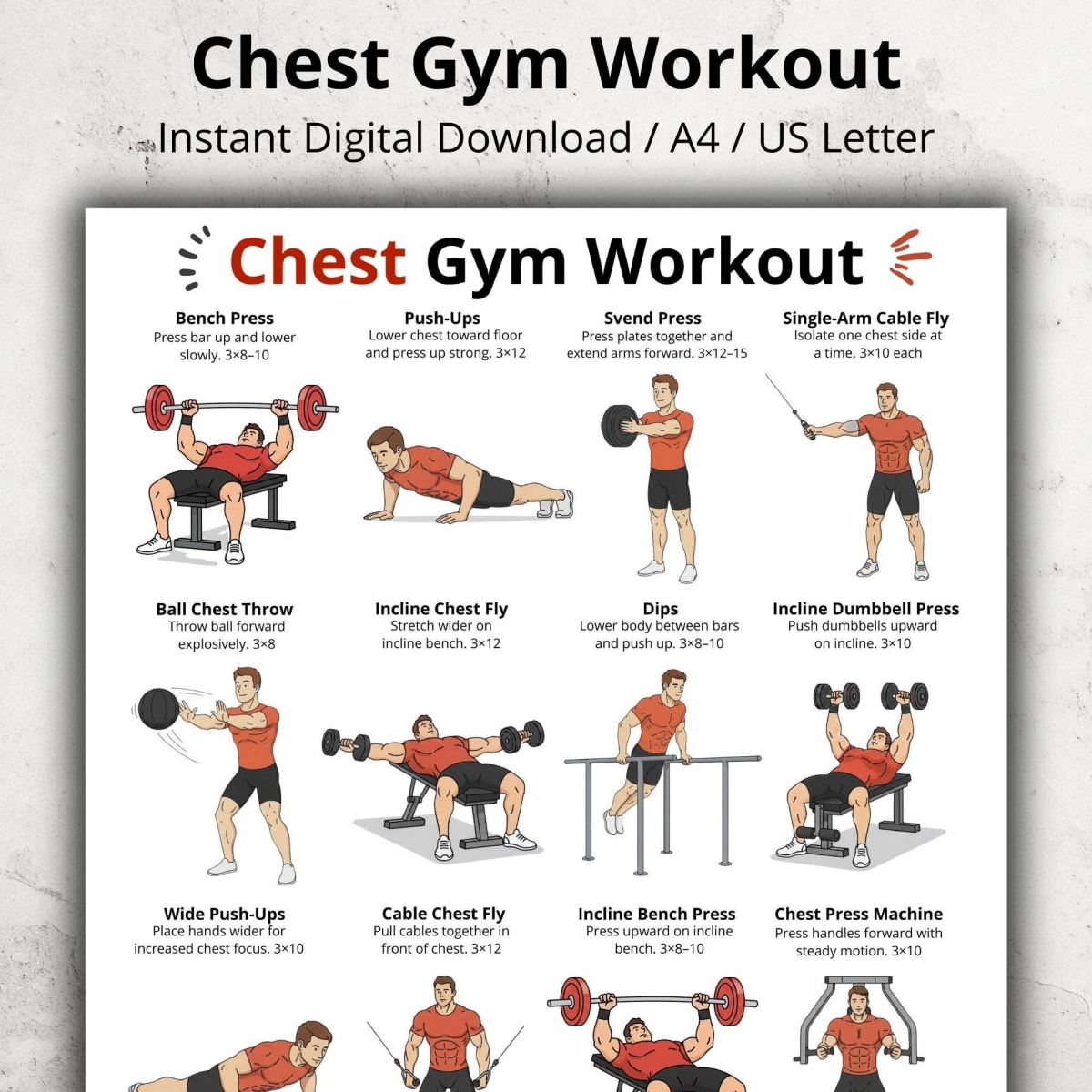
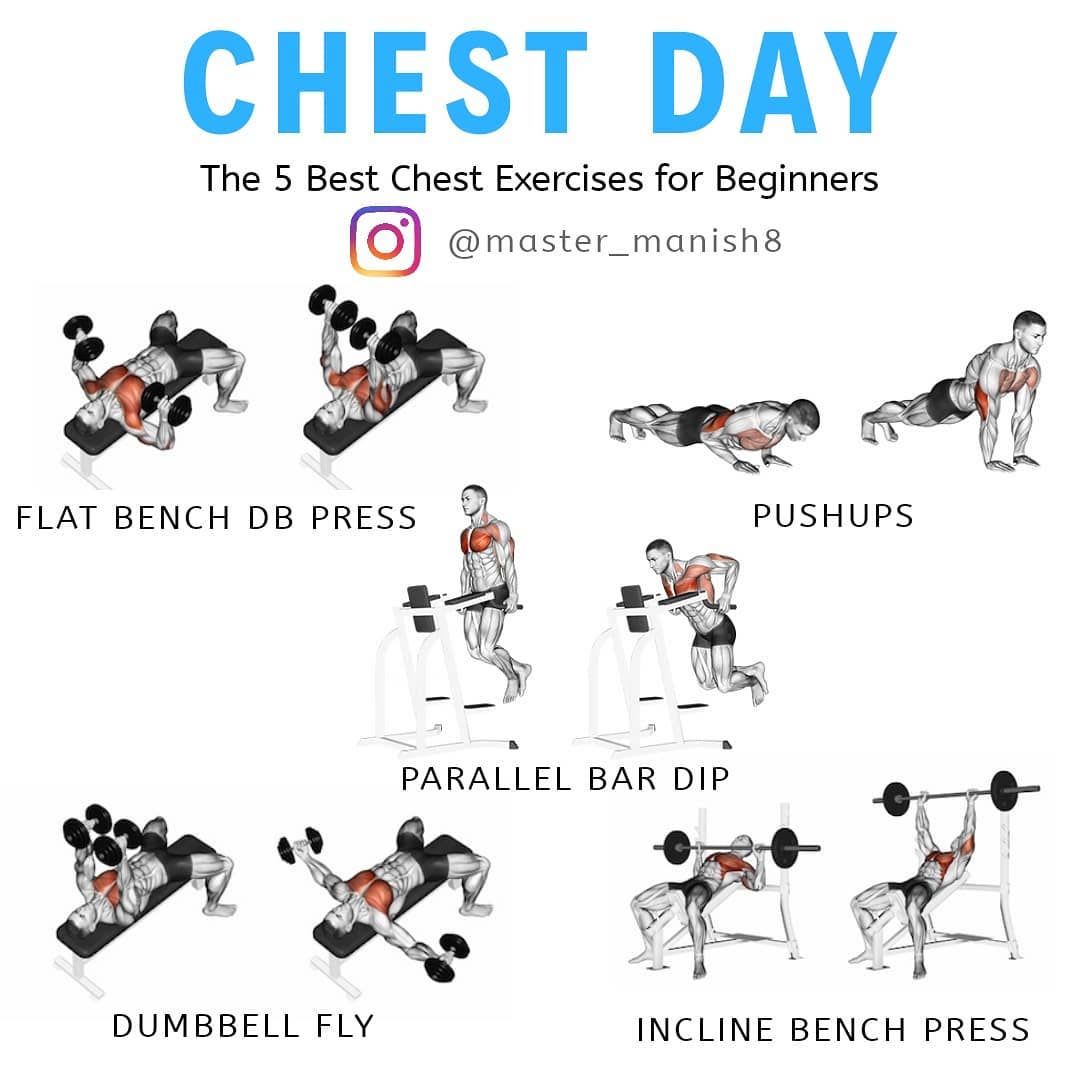
- Focus on Compound Lifts: Prioritize core exercises like push-ups and dumbbell bench presses that engage multiple muscle groups for maximum efficiency and functional strength development.
- Master Proper Form First: Emphasize mastering correct technique before increasing weight; it's absolutely crucial for preventing injury and ensuring effective muscle activation for long-term gains.
- Implement Progressive Overload: Gradually increase reps, sets, or weight over time to consistently challenge your muscles, which is the key scientific principle for stimulating growth.
- Schedule Adequate Recovery: Integrate at least 48 hours of rest between chest-focused workouts, as this recovery period is when your muscle fibers actually repair and grow stronger.
Who should use this: Anyone new to strength training who's seeking a structured, science-backed method to build foundational chest strength and muscle mass safely and effectively.
Introduction: Charting Your Course to a Stronger Chest
Let's be honest. The desire to build a stronger chest is a common fitness goal for many. It’s about more than just aesthetics; it’s a symbol of strength and a cornerstone of a well-rounded physique. But where do you even start? The internet is flooded with countless workout videos and conflicting advice. It's easy to feel overwhelmed, jump into a routine without a real strategy, and then wonder why you're not seeing results. 🎯
The reality is, without a structured approach, you risk wasting time or worse—courting injury. Effective strength training isn't about randomly lifting heavy weights. It's about precision, consistency, and understanding the 'why' behind every movement. This guide is designed to cut through that noise. We're providing a clear, actionable beginner chest workout plan built on principles of science-based fitness to help you progress safely and efficiently.
Understanding the "Why" Behind Your Workout
Before we dive into the exercises, it's crucial to know what you're working. Your chest is primarily composed of two key muscles: the Pectoralis Major and the underlying Pectoralis Minor. The Pectoralis Major is the large, fan-shaped muscle responsible for the bulk of your chest's size and power. It drives movements like pushing, pressing, and bringing your arms across your body. The Pectoralis Minor is a smaller muscle that plays a vital role in shoulder stability. Targeting both is essential for balanced development and functional strength.
As Christian, a Certified Fitness Trainer with Original Body, often explains, "A strong chest isn't just for show. It improves your posture, enhances your breathing, and supports countless daily activities, from pushing a door to lifting a child." It's a foundational element of a capable, resilient body. Understanding this function transforms your mindset from just 'doing reps' to purposeful training.
From Goals to Gains: A Smarter Approach
Here's the thing: a list of exercises is not a Workout Plan. A true plan provides structure, progression, and a holistic view of your fitness. This is where many people falter and why it’s so important to avoid common mistakes like poor form, inconsistent training, or neglecting nutrition. A well-designed plan accounts for all these variables, creating a reliable path to your goals. It’s about working smarter, not just harder. 💪
This comprehensive approach is the philosophy behind programs like the Original Body Footprint, which provides a strategic roadmap for health, or the Body Transformation Program, which focuses on sustainable results. These systems integrate effective workout routines with vital Health and Diet Education. Plus, with supportive tools like Mobile Applications, you can track your progress and stay consistent. The bottom line is that your chest workout should be one component of a larger, intelligent strategy for your overall health and fitness. 📈
So, get ready. This guide will give you the tools and knowledge you need. We'll break down the essential exercises, structure your routine for success, and set you on the right path to building the strong, powerful chest you're aiming for.
Key Benefits of a Holistic Fitness Approach
When you shift your focus in fitness, something powerful happens. You start looking beyond aesthetic goals and begin building a body that performs better, feels stronger, and is more resilient. It's not just about how you look; it's about what your body can do for you every single day. The reality is, true health is a combination of metabolic efficiency, functional capability, and structural integrity. So, what does this actually look like in practice? Let's break down the core advantages you can expect. It’s a journey toward sustainable well-being. 🧬
Enhanced Metabolic Health and Sustainable Fat Loss
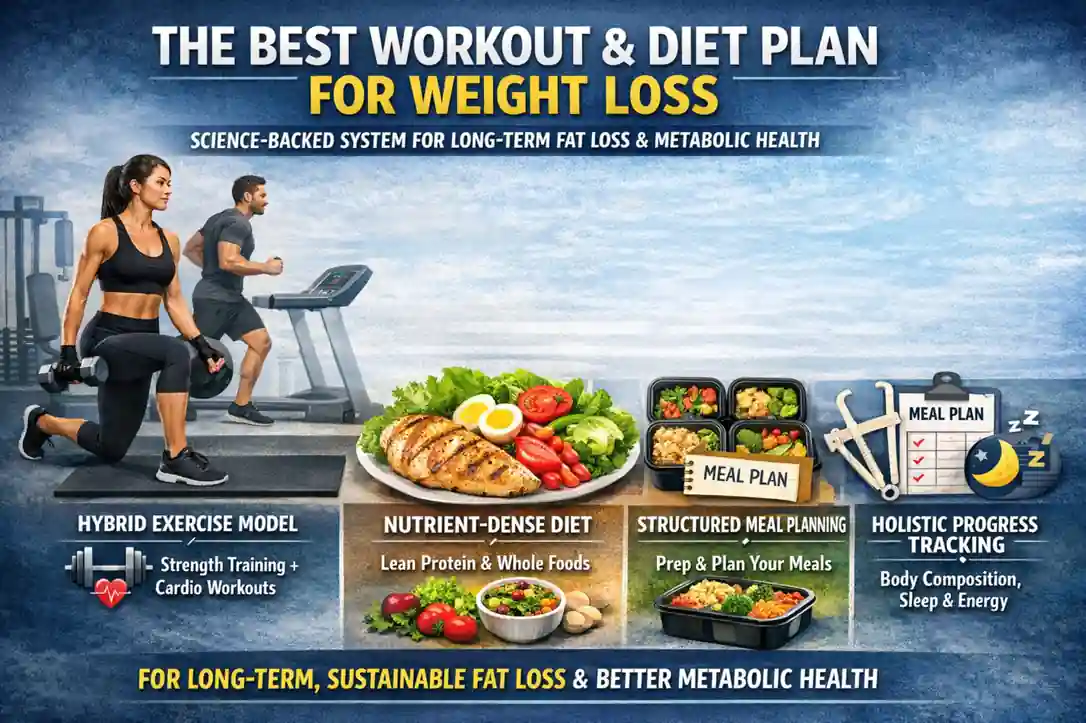
Forget the endless cycle of restrictive diets. The key to lasting results is optimizing your body's engine—your metabolism. By prioritizing lean muscle development through compound exercises, you directly increase your Basal Metabolic Rate (BMR). This means your body burns more calories at rest.A higher BMR is a cornerstone of excellent Metabolic Health. It's the difference between constantly fighting your body and having it work with you.
The goal is to achieve sustainable fat loss, not just temporary weight reduction. This is where a structured approach becomes critical. For instance, a well-designed Body Transformation Program focuses on turning your body into a natural fat-burning machine through these very principles. It’s about building a system that doesn't require deprivation. Instead, you'll learn to fuel your body correctly, which helps you boost your metabolism for the long haul. You're building a foundation for life.
Improved Functional Strength for Daily Life
What good is gym strength if it doesn't translate to the real world? That’s where Functional Strength comes in. It’s the strength you use to carry groceries, lift your kids, or move furniture without a second thought. It’s about training movement patterns, not just isolated muscles. This approach prepares your body for the dynamic challenges of everyday life, making you more capable and confident in your physical abilities. You'll notice a real difference. 💪
Achieving this requires a smart plan. Simply put, you need a roadmap. Strategic plans like the Original Body Footprint are designed to guide users toward this very outcome. They provide principles for diet and exercise that build improved functional strength from the ground up. The focus is on creating a resilient body that serves you well, whether you're at work, at home, or enjoying your favorite hobbies. It’s practical, effective, and empowering.
Proactive Injury Prevention and Better Posture
Look, aches and pains shouldn't be a normal part of life. Proper training is one of your best defenses against injury. By strengthening supporting muscles and improving movement mechanics, you create stability around your joints. This is crucial for long-term joint health and effective Injury Prevention. It's about being proactive rather than reactive when it comes to your physical well-being. Why wait for a problem to arise?
A major component of this is Posture Correction. So many of us spend hours hunched over desks, which can lead to chronic back and neck pain. A comprehensive program addresses these imbalances. Plus, with access to high-quality Health and Diet Education and tools like Mobile Applications to track progress, you can consistently reinforce good habits. These resources help you understand the 'why' behind the movements, ensuring you perform them safely and effectively for a stronger, pain-free future. 🧘
Expert Tips for Sustainable Fitness Success
Achieving your fitness goals isn't just about what you do in the gym; it's a holistic process. Many people start with great enthusiasm but fall into common beginner mistakes that derail their progress. The reality is, lasting change comes from intelligent strategy, not just brute force. We’ve consulted with experts, including Strength Coach Christian, to distill complex principles into actionable advice. Let’s move beyond the basics and explore the nuances that create real, sustainable transformation. 🏋️♂️
Pre-Workout Foundations: Fueling and Preparation
You wouldn't start a road trip with an empty gas tank, right? The same logic applies to your body. Properly fueling your workouts is non-negotiable for performance and safety. This starts with smart Nutrition. Aim for a balanced meal with complex carbohydrates and protein 1-3 hours before your session. This tops off your glycogen stores, giving you the energy to push through demanding sets.Carbohydrates are the primary fuel source for high-intensity exercise.
Hydration is equally critical. Even mild dehydration can significantly impair strength and focus.A 2% loss in body weight from dehydration can reduce performance by up to 10%. So, how do you get it right? Start hydrating hours before you exercise. And don't forget the Warm-up. A dynamic warm-up—think leg swings and arm circles, not static stretching—prepares your muscles and nervous system for the work ahead. It's a simple step that drastically reduces injury risk.
Maximizing Your Effort: Technique and Focus
Once you're warmed up and fueled, the real work begins. But it’s not just about lifting heavy. It's about lifting smart. This is where the Mind-Muscle Connection comes into play. As Strength Coach Christian often emphasizes, you must consciously focus on the specific muscle you're targeting with each repetition. This intentional focus recruits more muscle fibers and leads to better results than simply going through the motions. It’s one of the biggest differentiators between amateur and professional training.
Look, one of the most common beginner mistakes is ego lifting—choosing a weight that's too heavy to impress others. This compromises form and invites injury. Instead, prioritize perfect execution. Are you feeling the contraction where you should be? If not, lower the weight. This principle of mindful training is a core component of effective plans like the Body Transformation Program, which focuses on building a foundation of strength and function. You can track your lifts and progress through dedicated Mobile Applications, ensuring you're improving safely.
The Other 23 Hours: Recovery and Progression
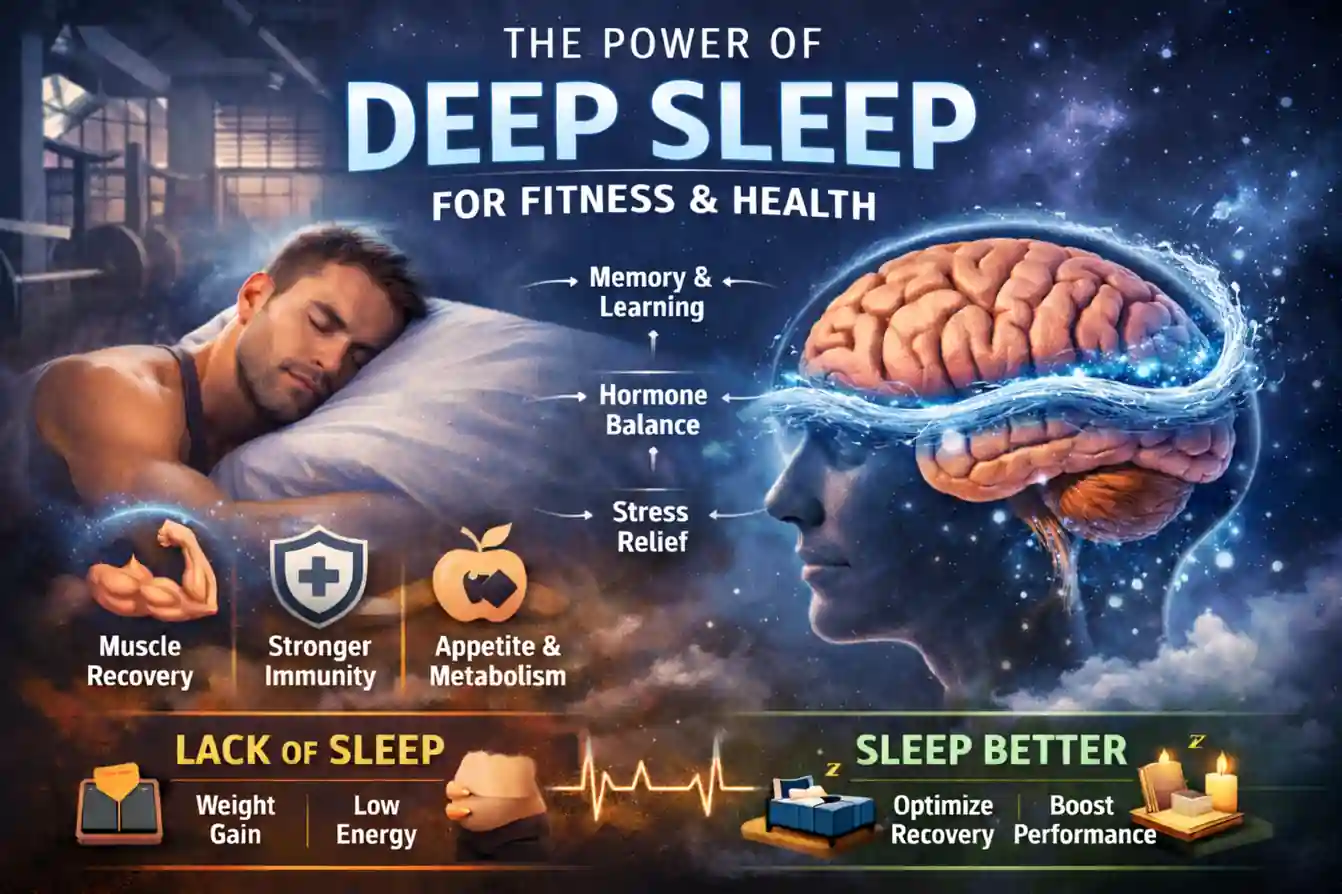
Your muscles don't grow in the gym; they grow when you rest. The importance of recovery cannot be overstated. This process starts immediately after your last set with a proper Cool-down. Gentle stretching and foam rolling can help reduce muscle soreness and improve flexibility. But recovery extends far beyond that. It includes adequate sleep, stress management, and continued focus on Nutrition and Hydration. 😴
So, how to progress safely? The key is to listen to your body. Some days you'll feel strong, and others you may need to scale back. That's perfectly normal. Progressive overload—gradually increasing the demand on your muscles—is essential, but it must be systematic. A structured plan, like the Original Body Footprint, provides a strategic roadmap for this. It takes the guesswork out of progression. Paired with quality Health and Diet Education, you gain the autonomy to make informed decisions for long-term health, turning your body into a sustainable, efficient machine. ✨
Your 8-Week Transformation: Beyond the Beginner Plan
You've built a solid foundation. You’re consistent with your workouts and more mindful of your nutrition. But now you’ve hit a plateau. So, what's next? If you're ready to take the next step from foundational habits to profound change, a structured eight-week plan is your answer. It’s designed to push past limits and unlock your body’s true potential. This isn't just about working out harder; it's about working smarter with a clear, time-bound objective. Ready to see what you can accomplish in two months? 🚀
What Sets an 8-Week Program Apart?
Look, a beginner plan is about building habits. An 8-week Body Transformation program is about strategic optimization. The primary goal is often a full Metabolic Reset. This process retrains your body to burn fat more efficiently for fuel. Metabolic adaptation is a key factor in long-term weight management. Instead of just counting calories, a program like the Original Body 8-Week Program focuses on nutrient timing, macronutrient balancing, and workouts that build lean muscle to elevate your resting metabolism.
The reality is that lasting change requires a Holistic Fitness approach. It's not just about the gym. This means integrating sleep optimization, stress management, and proper hydration into your plan. A truly comprehensive fitness program understands that all these pieces are interconnected. Neglecting one can sabotage your progress elsewhere. It’s a 360-degree strategy for health.
The Power of a Proven Methodology
Why follow a pre-designed program? Because it's based on a proven methodology that eliminates guesswork. An expert-guided transformation provides a clear roadmap, telling you exactly what to do and when. This structure is critical for breaking through plateaus and ensuring you achieve your body goals efficiently. You're not just throwing things at the wall to see what sticks—you're following a blueprint for success. This is where a dedicated Body Transformation Program shines, offering a structured path to follow.
The bottom line is consistency. A well-designed plan delivered through accessible tools, such as the company’s Mobile Applications, makes it easier to stay on track. You can access your workouts, meal plans, and vital Health and Diet Education right from your phone. It's about making the right choices easy and the wrong choices difficult. This is how you achieve Sustainable Results that last long after the eight weeks are over. 📈
Integrating Personalized Coaching and Technology
But wait, isn't a set program too rigid? Not when it includes Personalized Coaching. A great program uses a template as a starting point and then adapts it to you. Your coach can modify exercises based on your fitness level, adjust nutrition based on your progress, and provide the accountability you need to stay motivated. This blend of a proven framework with individualized support is the secret sauce. It ensures the plan works for your body and your life.
This is where the Original Body Footprint comes into play. It’s a strategic plan that serves as your guide, combining diet and exercise principles into a cohesive strategy. When you have a clear plan and an expert in your corner, the path to transformation becomes much clearer. It’s your journey, just with a professional co-pilot. Isn't it time you invested in a guided path to success? ✨
Key Takeaways
- A successful beginner chest workout plan prioritizes mastering proper form before increasing weight to prevent injury and ensure effective muscle activation for gains.
- Schedule at least 48 hours of rest between chest workouts, as this specific recovery period is when muscle fibers repair and grow stronger.
- Your beginner chest workout plan must focus on compound lifts like push-ups and dumbbell bench presses for maximum functional strength and efficiency.
- The Original Body approach links chest training to enhanced metabolic health by increasing your Basal Metabolic Rate (BMR) for sustainable fat loss.
- A true plan, like the Original Body Footprint program, provides structure and progression, turning a list of exercises into a strategic roadmap.
Frequently Asked Questions
What are the core principles of an effective beginner chest workout plan?
An effective beginner chest workout plan is built on four key principles. First, prioritize compound lifts like push-ups and dumbbell bench presses to engage multiple muscles. Second, master proper form before increasing weight to prevent injury and ensure muscle activation. Third, implement progressive overload by gradually increasing reps, sets, or weight. Finally, allow at least 48 hours of recovery between chest workouts, as this is when muscles repair and grow stronger.
Why is mastering proper form more important than lifting heavy weight for a beginner?
According to the article, mastering correct technique before adding weight is absolutely crucial for beginners. Proper form is essential for preventing injuries and ensuring the pectoral muscles are being effectively activated during each exercise. Focusing on form first establishes a safe and solid foundation for long-term gains, while lifting too heavy with poor form can lead to wasted effort and potential harm. It’s about working smarter, not just harder, for sustainable progress.
How much rest is needed between chest workouts for a beginner?
The article specifically recommends scheduling at least 48 hours of rest between chest-focused workouts. This recovery period is not passive; it's a critical phase where the muscle fibers that were challenged during the workout actually repair and grow stronger. Skipping this adequate recovery time can hinder muscle growth and increase the risk of overtraining, which is why it's a foundational principle for any effective strength training program.
What key muscles does a good beginner chest workout plan target?
A well-designed plan targets the two primary chest muscles for balanced development. The main focus is the Pectoralis Major, which is the large, fan-shaped muscle responsible for the chest's size, power, and movements like pushing and pressing. The plan also works the underlying Pectoralis Minor, a smaller muscle that plays a vital role in shoulder stability. Targeting both is essential for achieving both aesthetic goals and improved functional strength.
What is the difference between a list of chest exercises and a true workout plan?
The article emphasizes that a simple list of exercises is not a workout plan. A true plan provides structure, a clear path for progression, and a holistic view of your fitness journey. It accounts for critical variables beyond just the movements, such as proper form, recovery schedules, and nutrition. A plan is a strategic roadmap designed for safe and efficient progress, whereas a random list of exercises often leads to inconsistent training and poor results.