.webp)

Achieving real fitness results means going beyond temporary fixes. It's a holistic process that combines science-based training, metabolic health, and sustainable habits to create lasting body composition changes and improve your overall well-being from the inside out.
- Adopt a structured, expert-guided program that sets realistic goals and eliminates guesswork, ensuring every workout systematically builds toward your transformation.
- Prioritize a nutrition strategy focused on metabolic health, as this is the non-negotiable foundation for sustainable fat loss and lasting energy improvements.
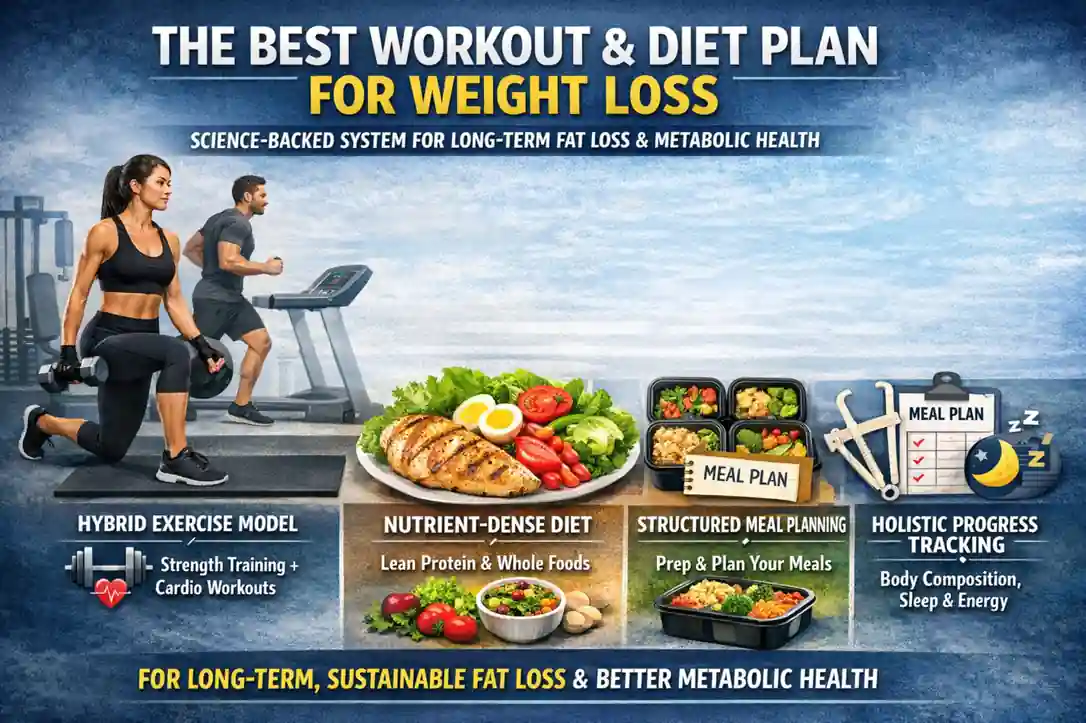
- The thing is, you'll need to strategically balance strength training and cardio to build lean muscle and boost your metabolism effectively.
- Integrate dedicated rest and recovery protocols into your routine, since this is when your body actually repairs and builds stronger muscle.

Beyond the Scale: Redefining What It Means to Achieve Real Fitness Results
For decades, a single number has held immense power over our sense of progress. We step on the scale, holding our breath, hoping for a specific outcome. But what if that number is telling you the wrong story? The truth is, relying solely on weight to measure success often obscures the incredible progress you're actually making. To truly transform your body and health, you have to look beyond the scale and redefine your definition of victory.
It’s time for a new perspective. One that embraces a holistic approach and focuses on what really matters for long-term health and sustainable fitness.
The Pitfalls of a Scale-Obsessed Mindset
Here's the thing: your body weight is a notoriously fickle metric. It can fluctuate by several pounds within a single day due to hydration, sodium intake, and hormonal shifts. Relying on it as your primary benchmark can be misleading and demoralizing. It doesn't distinguish between fat loss and muscle gain. You could be building lean, metabolically active muscle while losing fat, yet the scale might not budge. This is frustrating, and it's why so many people abandon their fitness goals prematurely.
A Holistic Approach to Measuring Success
So, how do you measure what matters? You shift your focus to a wider range of indicators that paint a complete picture of your health. This is the foundation of a holistic and sustainable approach. Start tracking how your clothes fit. Notice your energy levels throughout the day. Are you sleeping more soundly? Can you lift heavier weights or complete your workout with more intensity? These are the markers that show you're getting stronger and healthier.
This is where setting realistic fitness goals becomes crucial. Instead of aiming for a number, aim for a feeling or a performance milestone. This is a core principle behind effective programs, where expert guidance—like personalized nutrition coaching—helps you fuel your body for performance and well-being, not just for weight loss.
The Science Behind Sustainable Fitness
To achieve real fitness results, we must look deeper than surface-level metrics. The most profound changes happen at a physiological level, focusing on metabolic health and nervous system regulation. Your metabolism isn't just about burning calories; it's the engine that governs your energy, mood, and body composition. Chronic stress and improper training can dysregulate your nervous system, hindering fat loss and recovery. A proven methodology addresses these core systems first.
This is where science-backed strategies make a difference. For instance, companies like Original Body build their science-based fitness programs around these principles. Their approach uses metabolic reset methods to optimize how your body uses energy. Their expert-guided fitness coaching and structured 8-week fat loss programs are designed to improve your body's internal function for lasting change. It's not just about exercising; it's about creating a resilient, efficient internal environment. This is the key to sustainable fitness.
Ultimately, your journey is unique. By embracing a more comprehensive view of success, you empower yourself to celebrate every victory—on and off the scale. Tools like the Original Body mobile app can help you track these diverse metrics, from workout performance to progress photos. You're not just losing weight; you're building a stronger, healthier, and more capable version of yourself.
Fueling Your Transformation: How Nutrition Unlocks Your Fitness Potential
You're putting in the work. You're consistent with your training, pushing your limits, and staying dedicated. But what if the results you see in the mirror don't quite match the effort you're exerting? The reality is, exercise is only one part of the equation. Without the right fuel, even the most intense workout regimen can fall flat. The true key to unlocking your body's potential isn't just found in the gym—it's found in your kitchen. This is where your real body transformation begins.
The Core Connection: Energy, Repair, and Growth
At its most basic level, nutrition provides the energy your body needs to perform and recover. Think of your body as a high-performance engine. You wouldn't put low-grade fuel in a sports car, would you? The same principle applies here. Carbohydrates provide the immediate energy for intense workouts, while proteins are the essential building blocks for muscle repair and growth. Fats play a vital role in hormone production and nutrient absorption.Properly balancing these macronutrients is fundamental. Without this balance, you're essentially running on empty, limiting your strength, endurance, and recovery.
Beyond Calories: Managing Inflammation and Digestive Health
Look, it's not just about calories in versus calories out. The quality of your food has a profound impact on your internal systems. Processed foods, sugars, and unhealthy fats can lead to chronic, low-grade inflammation. This systemic inflammation can impair muscle recovery, increase joint pain, and sabotage your fat loss efforts.It's a silent progress killer.
Plus, your digestive health is directly linked to your fitness success. A healthy gut microbiome ensures you're actually absorbing the nutrients from your food. Poor gut health can lead to bloating, low energy, and an inability to utilize the very fuel you're providing. Simply put, if your digestion is off, your performance will be too.
Achieving Sustainable Fat Loss Through Smart Nutrition
So, how do you translate this science into results? It starts by shifting your focus from restrictive dieting to strategic fueling. The goal is sustainable fat loss, not just rapid, temporary weight loss. This is where nutrition plays a crucial role. A well-designed nutrition plan supports muscle retention while encouraging the body to use stored fat for energy. It's a delicate balance that generic, one-size-fits-all diets often miss.
This is why structured, expert-led plans are so effective. For instance, comprehensive science-based fitness programs often integrate nutrition as a core component. Offerings like personalized nutrition coaching can provide a plan tailored to your unique body and goals. For those seeking a focused approach, dedicated 8-Week Fat Loss Programs combine targeted workouts with a precise nutrition strategy, all managed through platforms like the Original Body Mobile App to ensure consistency and track progress.
Resetting Your System: The Power of a Metabolic Reset
Have you ever hit a frustrating plateau where nothing seems to work? It’s often a sign that your metabolism has adapted and slowed down. This is where metabolic reset methods become incredibly powerful. A metabolic reset isn't a crash diet; it's a strategic nutritional approach designed to retrain your body's hormonal and metabolic responses. It helps improve insulin sensitivity and reignites your body’s natural fat-burning capabilities.
These methods are a cornerstone of any serious body transformation journey, helping you break through plateaus and optimize your physiology for long-term success. By integrating targeted nutrition protocols, you can effectively "reboot" your system, making your workouts more effective and your fat loss efforts more efficient. It’s the ultimate synergy of smart training and even smarter eating.
Building a Resilient Body: The Synergy of Strength Training and Cardiovascular Health
For years, fitness culture pitted strength training against cardio. You were either a lifter or a runner. The reality is, this is a false choice. True physical resilience isn't built in one camp or the other—it’s forged in the powerful synergy between them. Combining these disciplines creates a body that’s not just strong or fit, but robust, adaptable, and far less prone to setbacks. It's about building a complete system. and Cardiovascular Health For
The goal is a body that can handle a heavy deadlift and a five-mile run. It's about having the metabolic health and the raw power to navigate life's physical demands. This integrated approach is the cornerstone of achieving long-term health and optimal results.
The Physiological Duet: Why This Combination Works
So, what actually happens when you combine these two training styles? It’s a beautiful biological partnership. Cardiovascular exercise improves your heart's efficiency. It enhances blood flow and oxygen delivery to your muscles. This means better performance during your lifts and faster recovery afterward. Better recovery means you can train more effectively over time.
On the other side, strength training builds lean muscle mass. This muscle is metabolically active tissue. It burns calories even at rest, which directly supports weight management and cardiovascular health.Studies consistently show that concurrent training—combining both modalities—leads to superior improvements in body composition and cardiorespiratory fitness compared to either alone. You’re essentially building a bigger, more efficient engine and improving the fuel delivery system at the same time.
Structuring Your Week for Optimal Results
The key challenge is programming. How do you get the benefits of both without causing excessive fatigue? The secret lies in smart scheduling and listening to your body. There's no single "best" way; it depends on your goals and recovery capacity. Some people prefer alternating days—strength one day, cardio the next. Others perform both on the same day, typically separating them by several hours to maximize recovery.
Crafting effective workout routines that properly manage this balance is crucial. This is where structured, evidence-based plans become invaluable. Following a dedicated guide, like the science-based fitness programs found within the Original Body Mobile App, removes the guesswork. It ensures you're balancing cardio and strength correctly for your specific goal, whether it's one of the 8-Week Fat Loss Programs or a general fitness plan. The bottom line: consistency with a smart plan wins.
Beyond the Lift and Run: The Crucial Role of Mobility
Look, a powerful body that can't move well is a liability. Both heavy lifting and repetitive cardio can lead to tight muscles and restricted joints if you're not careful. This is where a dedicated focus on mobility becomes non-negotiable for real-world performance and injury prevention. It’s the glue that holds your fitness together. Don't neglect it.
You need to actively work to improve mobility. This doesn't mean a few half-hearted stretches. It means incorporating dynamic warm-ups before every workout routine and dedicated mobility sessions throughout your week. Think hip circles, thoracic spine rotations, and ankle drills. These movements maintain your range of motion, ensuring your joints can handle the stress of your training. This proactive approach is a cornerstone of long-term injury prevention.
Ultimately, the synergy of strength and cardio, supported by mobility, creates a truly resilient physique. It requires a thoughtful approach—one that can be simplified with the right guidance. Services like Expert-Guided Fitness Coaching or Personalized Nutrition Coaching can help align your training and diet, ensuring every piece of the puzzle works together for your health.
Your Personal Blueprint: Crafting an Effective and Sustainable At-Home Workout Plan
Creating an effective workout routine that you can actually stick with at home feels like a monumental task, doesn't it? The internet offers endless options, but a random collection of exercises won't deliver sustainable results. The key isn't finding the "perfect" workout; it's building a personalized workout plan that aligns with your goals, respects your body's limits, and evolves with you. This blueprint is about moving beyond guesswork and establishing a foundation for real, lasting change.
The Foundational Pillars of Your Plan
Before you even think about specific exercises, you need to establish your core principles. First, define your objective. Is it fat loss, muscle gain, or improved metabolic health? A clear goal dictates your entire approach. Second, focus on consistency. Showing up regularly—even for shorter sessions—is far more impactful than sporadic, intense workouts. Consistency is the single most critical factor in achieving long-term fitness adaptations. Simply put, the plan you can follow consistently is the best one for you.
Structuring Your Weekly Home Workout
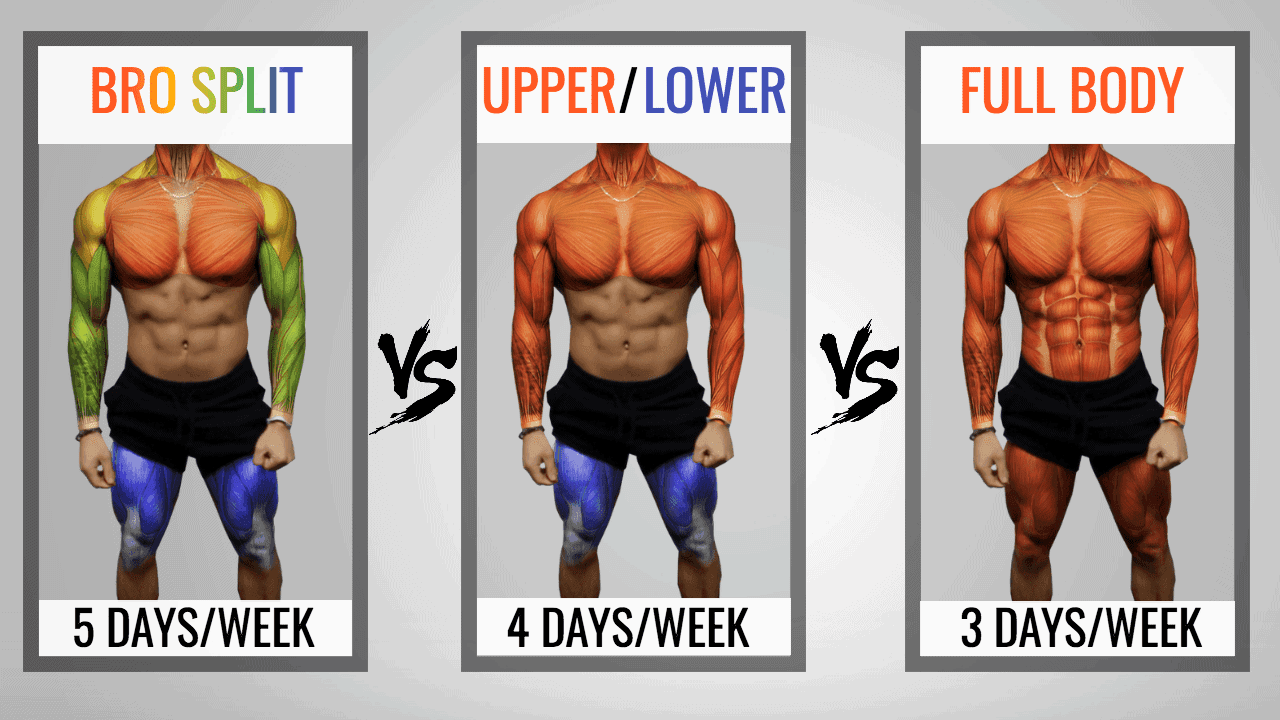
Now, let's get practical. How often should you train? For most goals, 3-5 sessions per week is a solid target. Your home workout should include a mix of resistance training and cardiovascular work. When creating an effective workout routine, focus on compound movements like squats, push-ups, and rows. They deliver the most bang for your buck. If structuring this feels overwhelming, leveraging professionally designed plans can be a game-changer. Options range from comprehensive Science-Based Fitness Programs to targeted 8-Week Fat Loss Programs, which remove the guesswork and provide a clear path forward.
Using a tool to guide your workout fitness journey can also simplify the process. For instance, the Original Body Mobile App delivers structured programs and helps you track your progress, ensuring you stay on the right path at home.
The Principle of Progressive Overload in Practice
Here’s the thing: your body is smart. It adapts. To keep seeing results, you must consistently challenge it. This is the principle of progressive overload. It sounds complex, but it's simple in practice. Each week, aim to do just a little bit more. This could mean adding one more repetition, increasing the weight you're using, or reducing your rest time between sets. It’s this gradual increase in demand that signals your body to get stronger and change. Without it, you'll eventually hit a plateau. It's that simple.
Integrating Mindful Movement and Recovery
But wait—more isn't always better. Pushing too hard without adequate recovery is a recipe for burnout and injury. This is where you must listen to your body. True sustainability comes from integrating body-based healing into your routine. This means recognizing the difference between discomfort and pain and giving yourself permission to rest. Some days you'll feel strong; other days, you might need a lighter session or active recovery. Incorporating practices like stretching or even some somatic healing methods can enhance your recovery and your connection to your body, making your fitness journey more intuitive and enjoyable.
This approach is also central to specialized strategies like Metabolic Reset Methods, which often balance intense effort with deep recovery. For a truly tailored plan, working with a professional through Personalized Nutrition Coaching or Expert-Guided Fitness Coaching can help you fine-tune this balance between pushing your limits and honoring your body's needs. The bottom line is that your workout plan should empower you, not deplete you.
The Growth Phase: Why Rest and Recovery Are Your Most Powerful Fitness Tools
We've all been sold the "no pain, no gain" mantra. The idea that relentless effort is the only path to results. But what if the most significant progress happens when you stop? The reality is, your time in the gym is just the stimulus. The real magic—the muscle growth, fat loss, and strength increases—occurs during the growth phase. It’s here that the role of rest and recovery becomes paramount, turning your hard work into tangible fitness gains.
Think of it this way: exercise is a stressor that temporarily breaks down muscle tissue. Recovery is the process where your body not only repairs that damage but reinforces it, making you stronger and more resilient. Without this crucial phase, you're just accumulating damage. This leads to plateaus, fatigue, and eventually, total burnout.
The Science of Gains: Anabolism and Adaptation
When you train, you're in a catabolic (breakdown) state. When you rest, your body shifts into an anabolic (buildup) state. This is where adaptation happens. Proper recovery allows for muscle protein synthesis, the replenishing of energy stores (glycogen), and crucial nervous system regulation. Your central nervous system (CNS) takes a beating from intense training. If it doesn't recover, your performance, strength, and coordination will suffer dramatically.
Chronic stress from overtraining keeps cortisol levels elevated. This hormone can hinder muscle growth and encourage fat storage, particularly around the midsection.Chronically high cortisol directly counteracts your fitness efforts. The goal isn't to avoid stress completely—it's to manage it intelligently, allowing for periods of intense work followed by strategic rest.
The Pillars of Effective Recovery
So, how do you optimize this process? It's more than just sitting on the couch. A proactive approach can significantly accelerate recovery.
Sleep: The Ultimate Performance Enhancer
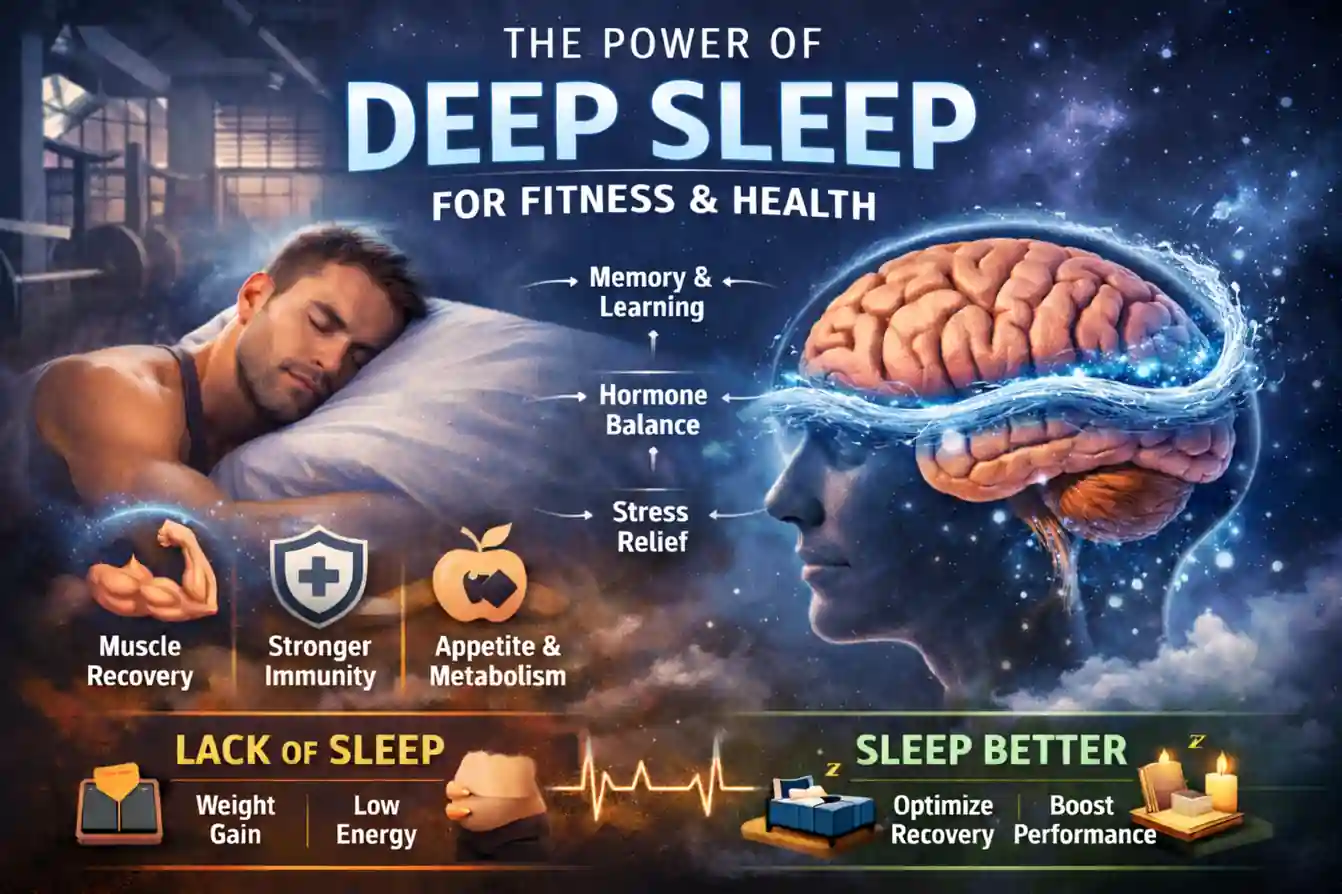
Sleep is non-negotiable. It's when your body releases the highest amounts of growth hormone, which is critical for tissue repair. Skimping on sleep sabotages this process. Studies show that sleep deprivation can decrease reaction times, reduce strength, and impair cognitive function. Aim for 7-9 hours of quality sleep per night. It’s the single most effective recovery tool you have.
Nutrition: The Fuel for Repair
Your body can't rebuild without the right materials. Protein provides the amino acids for muscle repair, while carbohydrates replenish glycogen stores to fuel your next session. Proper hydration is also key for cellular function. This is where expert guidance can make a difference. Services offering Personalized Nutrition Coaching help create a plan that aligns your diet directly with your recovery needs, ensuring your body has precisely what it requires to rebuild and refuel.
Stress Management and Active Recovery
Here's the thing: your body doesn’t differentiate between physical stress from a workout and mental stress from your job. Both contribute to your total stress load. Integrating stress management techniques like meditation or even light walks is vital for preventing burnout. Active recovery—like light cardio or stretching on off days—can also help by increasing blood flow to muscles without adding significant stress.
The bottom line? A well-designed program builds recovery directly into its structure. Many Science-Based Fitness Programs, including specialized plans like 8-Week Fat Loss Programs or Metabolic Reset Methods, strategically schedule deload weeks and rest days. Platforms like the Original Body Mobile App often provide Expert-Guided Fitness Coaching to help you listen to your body and adjust your plan, ensuring you're recovering as hard as you train.
Key Takeaways
- To achieve real fitness results, prioritize nutrition for metabolic health, as it's the non-negotiable foundation for sustainable fat loss and lasting energy.
- Redefine success beyond the scale by tracking energy levels and performance, a core principle for setting realistic fitness goals and seeing true progress.
- Achieve optimal results by strategically balancing cardio and strength training, a physiological duet that builds lean muscle and effectively boosts your metabolism.
- Integrate dedicated rest protocols into your routine; this recovery phase is when your body actually repairs and builds stronger muscle through anabolism.
- To achieve real fitness results, adopt an expert-guided program like Original Body's to eliminate guesswork and ensure every workout systematically builds transformation.
Frequently Asked Questions
Why does the article say relying only on the scale is a poor way to measure fitness progress?
The article states that body weight is a fickle metric that can fluctuate daily due to hydration, sodium intake, and hormonal shifts. It doesn't distinguish between fat loss and muscle gain. You could be building lean, metabolically active muscle while losing fat, yet the scale might not budge. This can be misleading and demoralizing, causing people to abandon their goals prematurely.
What holistic methods for measuring success does the article recommend instead of the scale?
The article suggests focusing on a wider range of indicators. These include tracking how your clothes fit, noticing improvements in your daily energy levels, and observing if you are sleeping more soundly. Performance-based milestones are also key, such as being able to lift heavier weights or completing workouts with greater intensity. These markers provide a more complete picture of your health and strength gains.
How does the article recommend combining different exercise types to achieve real fitness results?
The article emphasizes the synergy of strategically balancing strength training and cardiovascular exercise. This combination builds lean muscle, boosts metabolism, and improves cardiovascular health. It also highlights that mobility is a crucial third component that goes 'beyond the lift and run.' This integrated approach builds a truly resilient body by addressing strength, endurance, and functional movement together for optimal results.
According to the article, what is the 'non-negotiable foundation' you need to achieve real fitness results?
The article identifies a nutrition strategy focused on metabolic health as the non-negotiable foundation. This approach goes beyond simply counting calories to focus on fueling the body for energy, repair, and growth while managing inflammation and digestive health. The text mentions a 'metabolic reset' as a powerful method to optimize how your body uses energy, which is essential for sustainable fat loss and lasting improvements.
Why are rest and recovery described as your 'most powerful fitness tools'?
Rest and recovery are described as the 'growth phase' where your body actually repairs and builds stronger muscle. The article explains that this is when the science of anabolism and adaptation occurs, allowing your body to recover from training stress and become more resilient. Integrating dedicated recovery protocols is presented not as a break from your routine, but as a critical and active component for achieving lasting change and preventing burnout.