.webp)

10 Proven Foods to Boost Gut Health & Fight Visceral Fat
Are you eating healthy and exercising, but still struggling with stubborn body fat and a sluggish metabolism? The answer might not be on your plate, but deep within your gut. Your gut microbiome—the trillions of bacteria living in your digestive tract—is the control center for your metabolism. An imbalance here can lead to inflammation, poor nutrient absorption, and a body that clings to visceral fat. This isn't just another list of healthy foods. This is your strategic guide to "Metabolism-Boosting Gut Foods." We will show you exactly how to use these 10 powerful foods to re-engineer your gut health, ignite your metabolism, and finally start winning the battle against visceral fat. It's time to fuel your body from the inside out.
The Probiotic Powerhouses: Fermented Foods for a Stronger Gut

Probiotics are the frontline soldiers in the war against poor gut health. These live beneficial bacteria, found in fermented foods, directly colonize your gut, crowding out harmful microbes and creating an environment optimized for metabolic efficiency. A gut rich in probiotics is a gut that processes nutrients effectively, keeps inflammation low, and signals to your body to burn, not store, fat.
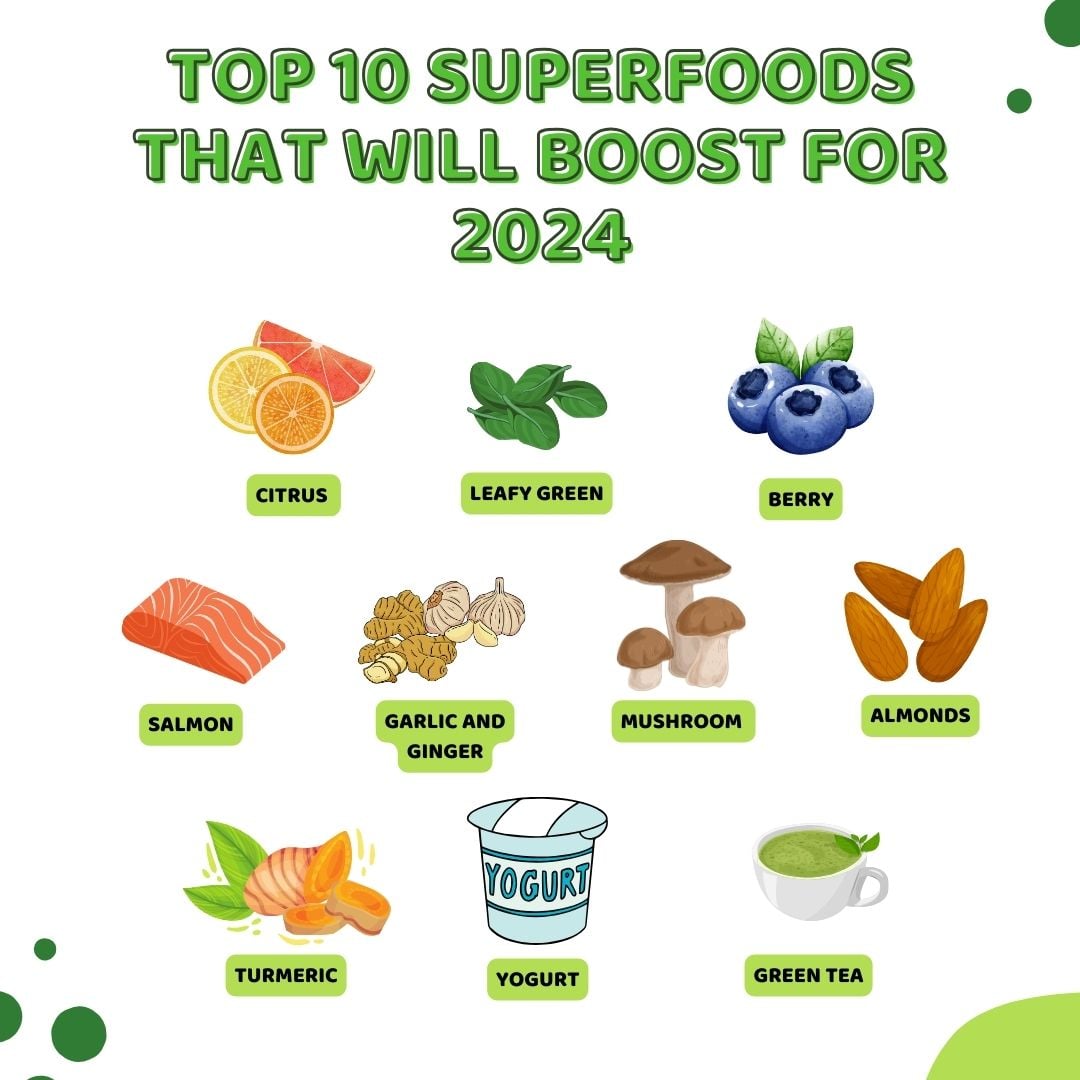
Kefir & Yogurt: Creamy Keys to Gut Health
Sauerkraut & Kimchi: Unlocking Gut Bacteria Diversity
Fueling Your Allies: Prebiotic Foods and Essential Fiber
If probiotics are the soldiers, prebiotics are their rations. Prebiotics are types of fiber that your body can't digest, so they travel to your lower digestive tract and become food for the beneficial bacteria. A diet rich in prebiotic foods is essential for a thriving gut ecosystem.
High-Fiber Heroes: The Foundation of a Healthy Gut

Foods high in fiber are the cornerstone of a gut-friendly diet. Soluble fiber, found in oats, apples, and beans, helps regulate digestion and feeds good bacteria. Insoluble fiber, found in whole grains and vegetables, adds bulk and keeps things moving. A consistent intake of high fiber foods for gut health ensures your probiotic allies are well-fed and active, producing short-chain fatty acids (SCFAs) like butyrate, which strengthens the gut wall and improves insulin sensitivity—a key factor in fighting visceral fat.
Inulin and Resistant Starch: The Superfoods for Your Microbiome
Calming the System: Anti-Inflammatory Foods for Gut Healing
Chronic inflammation is a root cause of metabolic dysfunction and visceral fat accumulation. It often starts in the gut. An inflamed gut cannot absorb nutrients properly and can trigger systemic inflammation throughout the body. A core part of any gut healing diet is to actively consume anti-inflammatory gut foods.
Omega-3 Fatty Acids: Reducing Gut Inflammation Naturally
Omega-3s, found in fatty fish like salmon, as well as in chia seeds and walnuts, are potent anti-inflammatory compounds. When it comes to omega 3 gut health, these fatty acids help repair the gut lining, reduce inflammatory signals, and support the growth of anti-inflammatory bacteria. Incorporating these healthy fats is one of the most effective ways to consume foods to reduce gut inflammation and protect your metabolic health.
Turmeric & Ginger: Spices That Soothe and Heal
Building Your Metabolism-Boosting Plate: A Gut-Friendly Diet Plan
Knowing which foods to eat is the first step. The next is integrating them into a cohesive gut friendly diet plan that works for you. The goal is to consistently nourish your gut to support your metabolism day in and day out.
Sample Meal Plan for Optimal Gut Health
The best diet for gut health is one that is diverse and consistent. Here’s a sample day focused on metabolic optimization:
* Breakfast: Greek yogurt with berries, chia seeds, and a sprinkle of nuts.
* Lunch: Large salad with mixed greens, grilled salmon, avocado, and an olive oil vinaigrette.
* Dinner: Chicken stir-fry with broccoli, bell peppers, onions, garlic, and ginger, served with a side of cooled quinoa (for resistant starch).
* Snack: An apple with a handful of almonds.
Simple Gut Health Recipes to Get You Started
You don't need to be a chef to create delicious, gut-friendly meals. Start with simple gut health recipes like a smoothie made with kefir, spinach, a green banana, and pineapple. Or, create a "microbiome bowl" with a base of quinoa, topped with roasted chickpeas, sauerkraut, steamed asparagus, and a drizzle of turmeric-infused olive oil. The key is to combine probiotic, prebiotic, and anti-inflammatory foods for healthy digestion in every meal.
Frequently Asked Questions
What are the best probiotic foods for gut health?
The best probiotic foods are fermented foods rich in live, beneficial bacteria. Top choices include kefir, plain Greek yogurt, sauerkraut, kimchi, and kombucha. These foods directly introduce diverse bacterial strains to your gut, which is crucial for a healthy metabolism and reducing inflammation.
How do prebiotic foods help the gut?
Prebiotic foods contain specific types of fiber, like inulin and resistant starch, that your body cannot digest. Instead, these fibers travel to your colon and act as fuel for your beneficial gut bacteria. This helps the good bacteria thrive, strengthen your gut lining, and produce compounds that improve metabolic health.
Is a gut-friendly diet good for weight loss?
Absolutely. A gut-friendly diet is excellent for weight loss, especially for targeting stubborn visceral fat. By reducing inflammation, improving nutrient absorption, and balancing key hormones, a healthy gut creates the ideal internal environment for your body to burn fat for energy efficiently.
Why is reducing gut inflammation important for metabolism?
Chronic gut inflammation can lead to a "leaky gut," allowing harmful substances to enter your bloodstream. This triggers a systemic inflammatory response that disrupts metabolic hormones like insulin and cortisol, signaling your body to store fat, particularly dangerous visceral fat around your organs. Reducing gut inflammation calms this entire system.