.webp)
7 Daily Habits to Improve Digestion Naturally for a Healthier Gut
Do you ever feel bloated, sluggish, or uncomfortable after eating? Do you struggle with stubborn weight that just won't budge, no matter how healthy you try to be? The problem might not be what you're eating, but how your body is handling it. The secret to igniting your body's metabolism into a fat-burning powerhouse lies in your gut. Poor digestion can slow your metabolic rate to a crawl, making weight loss feel impossible.
This is where our winning angle comes in: we're not just giving you generic digestive health tips. We are revealing the 7 Daily Habits to Improve Digestion Naturally that are specifically designed to optimize your gut, boost your metabolism, and turn your body into an efficient, fat-burning machine. Forget temporary fixes; this is about making simple, powerful changes that create a healthier, leaner you from the inside out.
The Foundation: Simple Daily Habits for Gut Health 🌱
Before we dive into specific foods or remedies, the most significant changes come from foundational daily habits for gut health. These small, consistent actions create the right environment for your digestive system to thrive, setting the stage for a faster metabolism.
Please note: The information provided in this article is for educational purposes only and is not intended as medical advice. Always consult with a healthcare professional before making any changes to your diet or health regimen.
Habit 1: Practice Mindful Eating and Chew Thoroughly
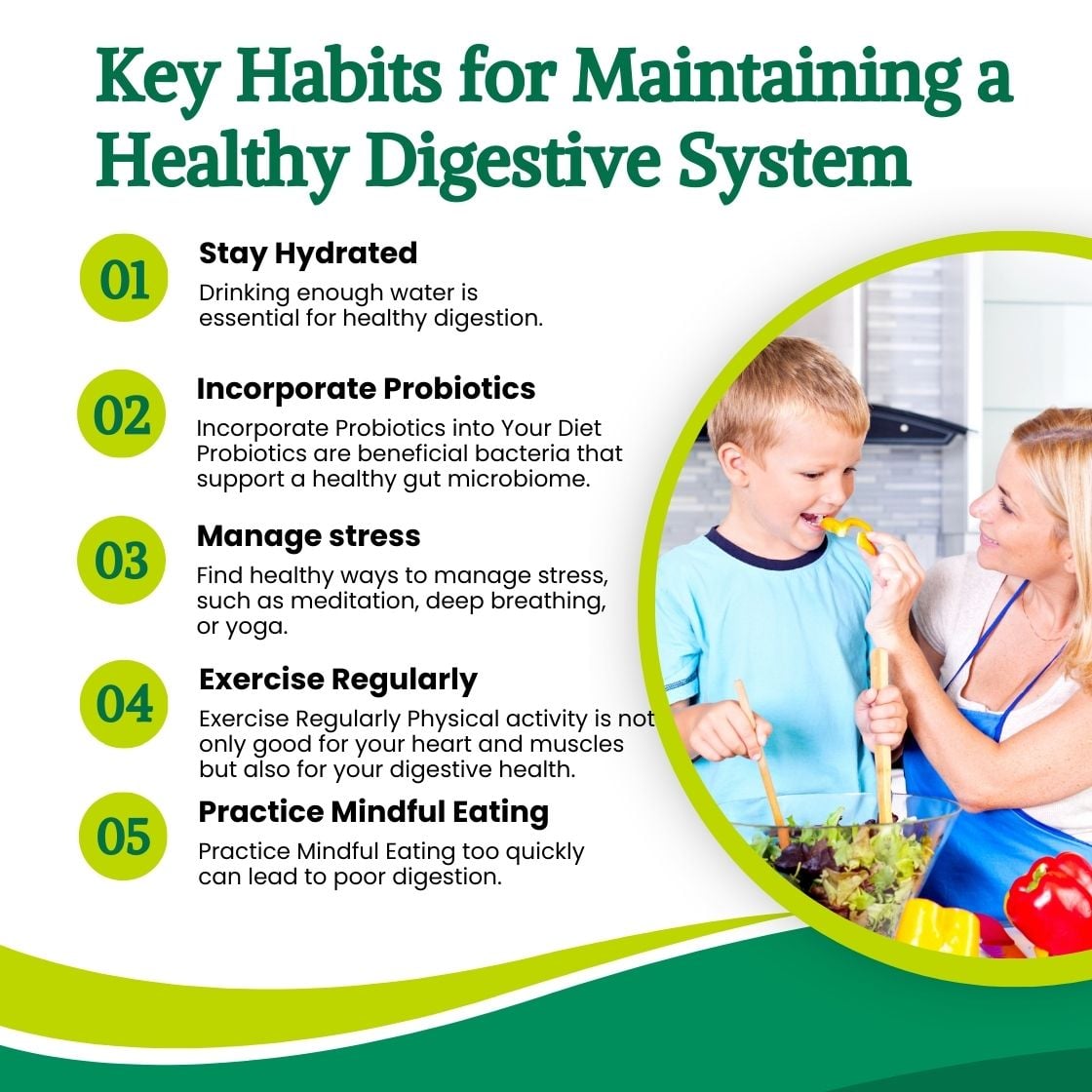
In our fast-paced world, we often eat while distracted, leading to overeating and poor digestion. The first step to improve digestion naturally is to slow down. Digestion begins in the mouth; saliva contains enzymes that start breaking down food. When you chew each bite 20-30 times, you lighten the load on your stomach and intestines, allowing for better nutrient absorption and less gas or bloating.
Metabolic Link: When your body easily breaks down food, it can more efficiently convert it into energy rather than storing it as fat. Research indicates that mindful eating can improve metabolic markers and reduce stress-related hormonal effects on fat deposition, thereby supporting a healthier metabolism.
Habit 2: Stay Consistently Hydrated 💧
Water is crucial for every bodily function, especially digestion. It helps break down food, allowing nutrients to be absorbed, and it's essential for softening stool, which prevents constipation. Aim for at least 8 glasses of water a day, but don't just chug it all at once. Sip consistently throughout the day to keep your digestive tract lubricated and functioning optimally.
Metabolic Link: Even mild dehydration can slow down the metabolic rate by approximately 3%, impacting the body's ability to burn calories efficiently. Staying hydrated keeps your cells working efficiently and supports the metabolic processes that burn calories.
Fueling Your Gut: Dietary Approaches for Better Digestion 🥗
What you eat is the cornerstone of a healthy gut diet. Choosing the right foods can either supercharge your digestion and metabolism or bring them to a grinding halt.
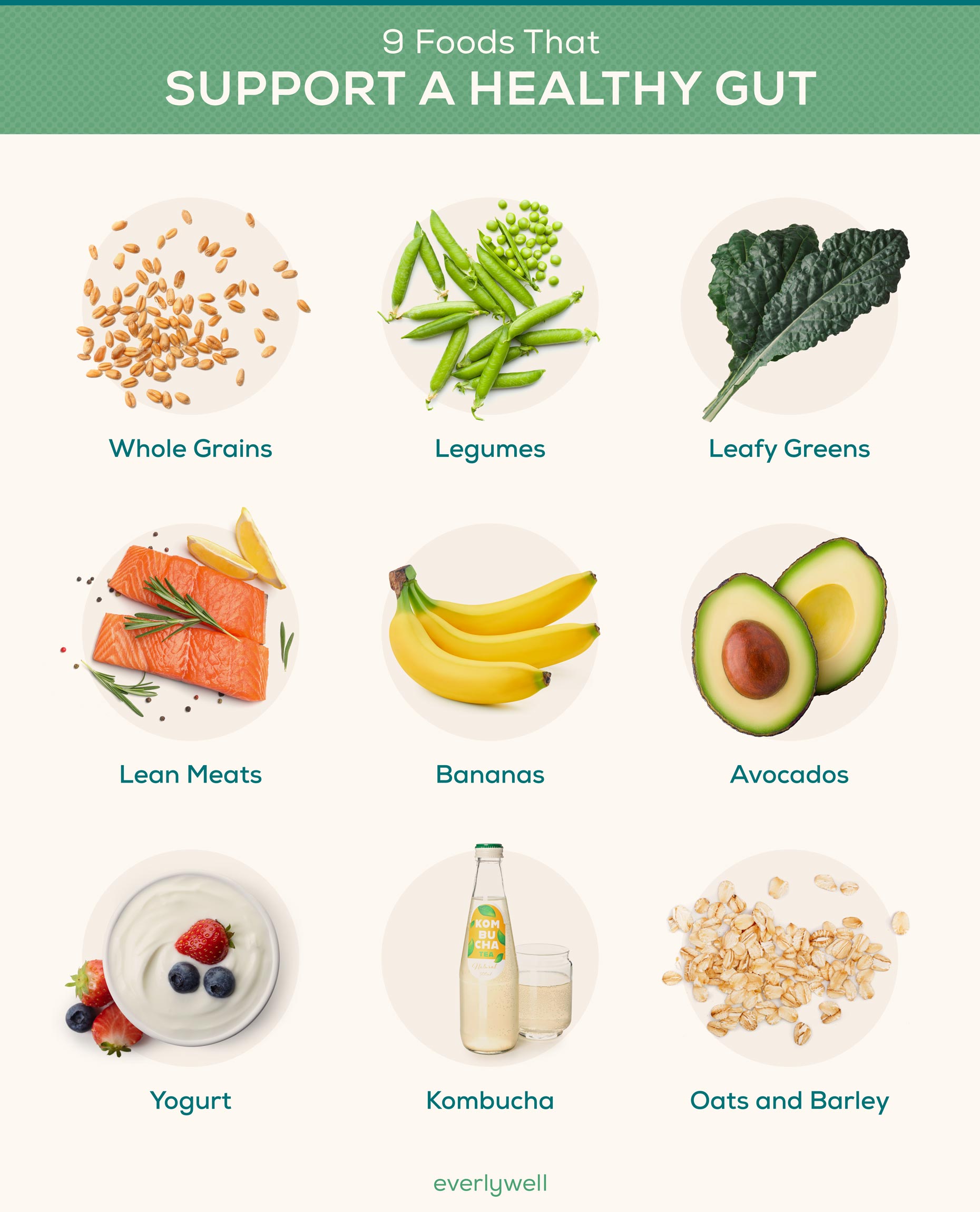
Habit 3: Prioritize Fiber-Rich Foods for Digestion
Fiber is the unsung hero of digestive health. There are two types: soluble fiber dissolves into a gel-like substance that helps control blood sugar, while insoluble fiber adds bulk to stool, helping it pass more quickly. A diet rich in both is one of the most effective digestive health tips.
Metabolic Link: High-fiber foods keep you feeling full longer, preventing overeating. Dietary fiber promotes the growth of beneficial gut bacteria, which produce short-chain fatty acids linked to improved metabolic health and reduced risk of metabolic disorders.
Habit 4: Incorporate Probiotic and Prebiotic Foods
Think of your gut as a garden. Probiotics are the "good seeds" (beneficial bacteria), and prebiotics are the "fertilizer" that helps them grow. Including both in your diet helps build a robust gut microbiome, which is essential for everything from nutrient absorption to immune function.
Enhancing Digestion with Natural Remedies 🌿
For those times when your system feels sluggish or upset, turning to nature can provide gentle and effective relief. Before incorporating natural remedies, it is advisable to consult with a healthcare professional, especially if you have existing health conditions or are on medication.
Habit 5: Leverage Natural Remedies for Indigestion
Instead of immediately reaching for over-the-counter antacids, consider incorporating these powerful natural remedies into your routine. These remedies don't just mask symptoms; they actively support your body's digestive processes.
The Gut-Metabolism Axis: How a Healthy Gut Ignites Fat Burning 🔥
This is where everything connects. The health of your gut is not just about comfort; it's a primary regulator of your body's weight and energy levels. Understanding the link between gut health and metabolism is the key to unlocking lasting results.
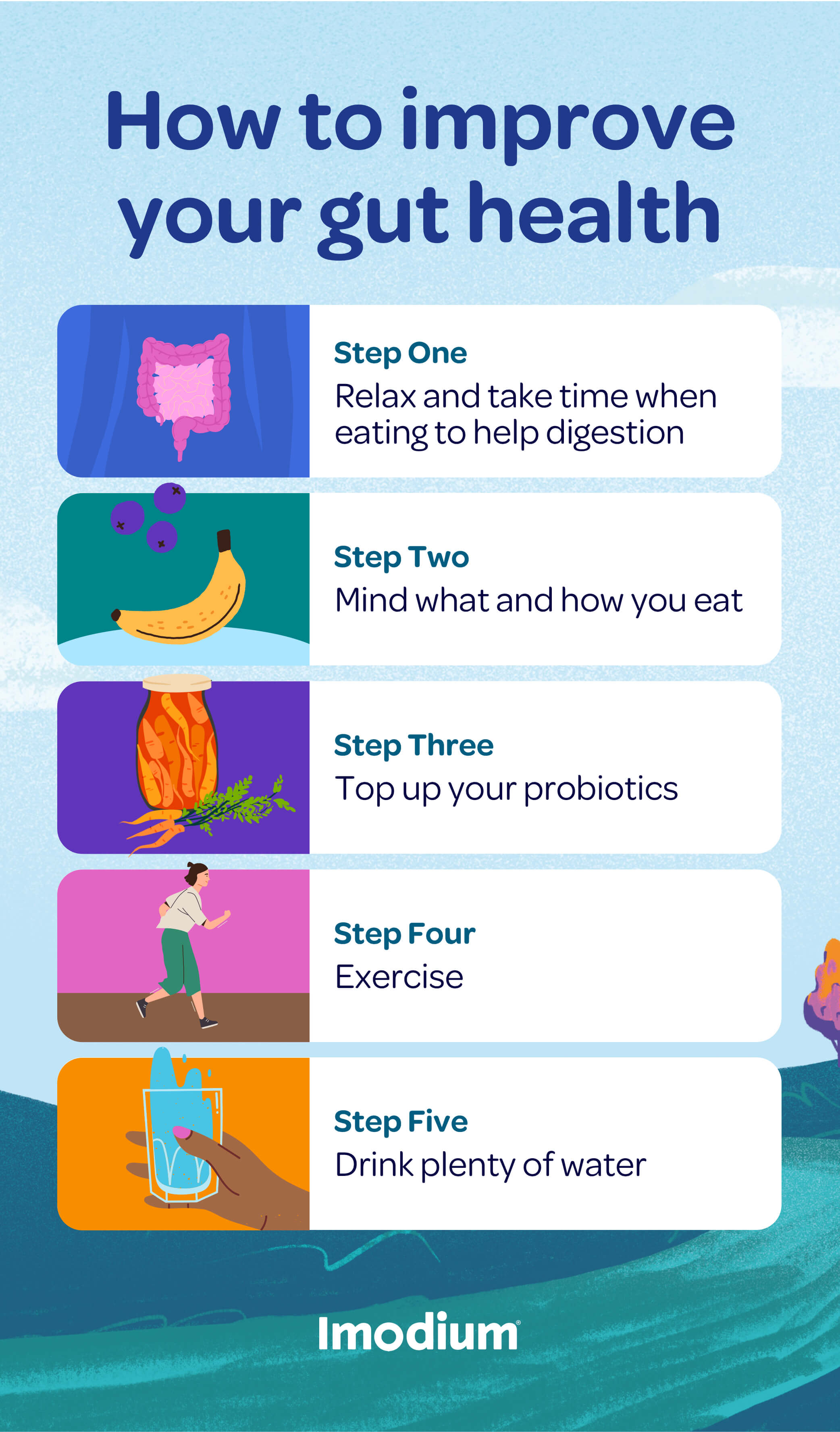
Habit 6: Manage Stress to Improve Your Gut Microbiome
Chronic stress is a direct enemy of your gut. It triggers the release of cortisol, a hormone that can disrupt the delicate balance of your gut microbiome, leading to inflammation, poor digestion, and a slower metabolism. Incorporating stress-management techniques is non-negotiable.
* Daily Practices: Meditation, deep breathing exercises, yoga, or even a 15-minute walk in nature can significantly lower stress levels.
Metabolic Link: By reducing stress, you create a welcoming environment for beneficial gut bacteria. A balanced microbiome produces compounds that help regulate appetite and improve how your body uses and stores energy.
Habit 7: Prioritize Quality Sleep for a Full Reset 😴
Sleep is when your body repairs and resets. A lack of quality sleep has been shown to negatively alter the gut microbiome and increase cravings for high-sugar, high-fat foods. Aim for 7-9 hours of quality, uninterrupted sleep per night. This allows your digestive system to rest and your metabolic hormones to regulate. This is a core tenet we focus on in our comprehensive 8-week program to transform your life.
Metabolic Link: Proper sleep helps regulate the hormones ghrelin (which signals hunger) and leptin (which signals fullness). A well-rested body has a more balanced hormonal profile and a more efficient metabolism. By focusing on how to improve your gut microbiome through these habits, you are directly investing in your body's ability to burn fat effectively.
Remember, these habits are foundational. For a structured approach to transforming your health, consider exploring programs designed to guide you through these changes. The insights shared here are part of a broader philosophy aimed at empowering you to ignite your body's metabolism into a fat-burning powerhouse.
Frequently Asked Questions
What are the best foods for better digestion?
The best foods for better digestion are typically rich in fiber, probiotics, and prebiotics. This includes fruits, vegetables, whole grains (insoluble fiber), oats and beans (soluble fiber), and fermented foods like yogurt, kefir, and sauerkraut (probiotics). Foods like garlic, onions, and bananas act as prebiotics to feed your good gut bacteria.
Why is gut health and metabolism linked?
The link is direct and powerful. Your gut microbiome—the collection of trillions of bacteria in your digestive tract—helps regulate how you store fat, how you balance blood glucose, and how you respond to hormones that make you feel hungry or full. A healthy gut promotes an efficient metabolism, while an imbalanced one can contribute to weight gain and metabolic issues.
Is it possible to improve digestion naturally?
Yes, absolutely. You can improve digestion naturally by adopting consistent daily habits. This includes chewing your food thoroughly, staying hydrated, eating a fiber-rich diet, managing stress, and getting enough quality sleep. These lifestyle changes are often more effective long-term than relying solely on medication.