.webp)

Shoulder Workout Benefits
Shoulder workouts are targeted exercises designed to strengthen the deltoid muscles and surrounding rotator cuff. They're not just for aesthetics; they build functional upper-body strength and stability, supporting your overall fitness goals for a truly balanced and resilient physique.
- You'll see a dramatic improvement in your posture, as strong shoulders help pull your frame back into alignment and actively counteract that daily desk-slouch.
- Building strength in the rotator cuff and its supporting muscles creates a more stable joint, significantly reducing your risk of dislocations and common activity-related strains.
- As the foundation for most upper-body movements, stronger shoulders will directly boost your power and performance in other key lifts like the bench press.
- You'll build crucial functional strength for everyday tasks and help boost your overall metabolic rate, which is essential for achieving sustainable, long-term fat loss.
Who should use this: Anyone serious about building a balanced, resilient physique and improving their overall functional strength for daily life, not just for looks in the gym.
Introduction: Building Shoulders That Work as Good as They Look
Let's be real for a second. When you think about working out your shoulders, what's the first image that pops into your head? It’s probably that classic, powerful silhouette—broad, defined shoulders that make you look and feel strong. And you know what? That’s a great goal to have. Confidence is a huge part of any fitness journey. But what if building powerful shoulders was about so much more than just aesthetics? What if it was the key to moving through your day with more ease and less pain? 🤔 Look Let's real for
The reality is, the true shoulder workout benefits go way beyond the mirror. We're talking about pure, practical strength. Think about it. Every time you lift a heavy grocery bag, hoist a suitcase into an overhead bin, or even just pick up your kid for a hug, you're relying on your shoulders. This is functional strength for daily life, and it’s something you use constantly without even noticing. When your shoulders are strong and stable, these everyday tasks feel effortless.
The Smart Way to Build Upper Body Strength
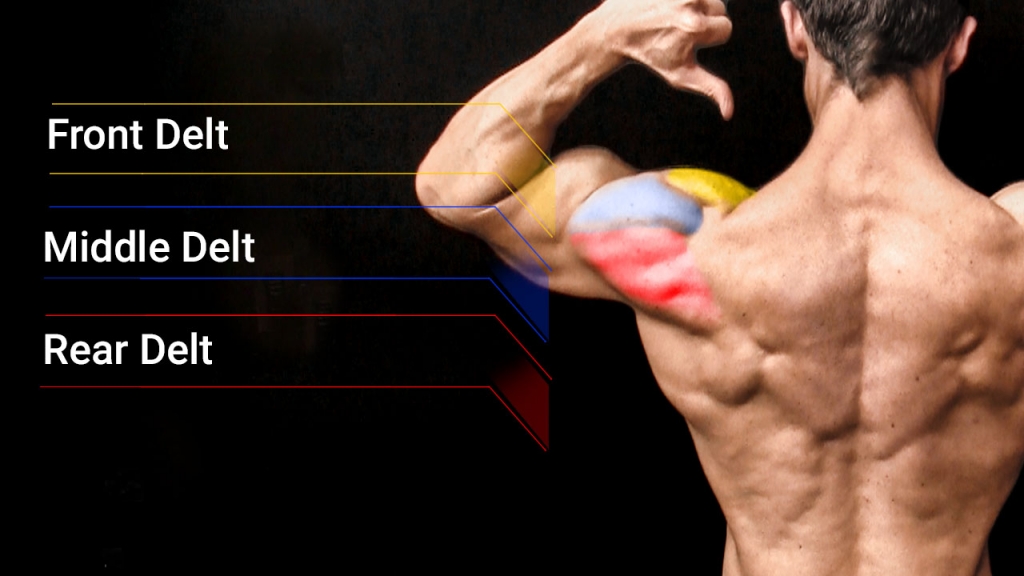
Here’s the thing, though. The shoulder is one of the most complex and mobile joints in your body. It’s an incredible piece of natural engineering, but its wide range of motion also makes it vulnerable. Your main shoulder muscles, the Deltoids, give you that rounded shape, but deep inside, the delicate Rotator Cuff muscles are working hard to keep everything stable. Go too hard, too fast, or with the wrong form, and you’re asking for trouble. Shoulder injuries account for a significant portion of weight-training-related issues, which is why a smart strategy is non-negotiable.
This is exactly why a science-based fitness approach is so crucial. It’s not about mindlessly lifting the heaviest weight you can. It’s about understanding how the joint works and training it intelligently for long-term health. This focus on preventing common injuries is the foundation of Sustainable Fitness—getting amazing results without sidelining yourself for weeks or months. It’s a marathon, not a sprint.

Your Blueprint for Strong, Healthy Shoulders
So, how do you get there? It starts with a plan built by people who know what they're doing. At Original Body, our Certified Fitness Trainer, Christian, designs all our Expert-Guided Programs with this principle in mind. We believe in building impressive Upper Body Strength that serves you both in and out of the gym. It's about creating a body that’s not just fit, but truly functional and resilient.
And this approach fits into a much bigger picture. Strong shoulders are a cornerstone of effective, full-body workouts that torch calories and improve your health. They play a massive role in compound movements that are essential for our 8-Week Fat Loss Programs and Metabolic Reset Methods. Plus, building lean muscle mass is a proven strategy for Visceral Fat Reduction—the dangerous fat around your organs. Whether you're following a plan on the Original Body Mobile App or working with our team on Personalized Nutrition Coaching, the goal is the same: to help you achieve a natural, sustainable transformation.
In this guide, we'll break it all down for you. We’re going to give you the tools and knowledge to build shoulders that are not only impressive to look at but are also healthy, strong, and ready for whatever life throws your way. Let’s get started. 💪
Key Benefits of Shoulder Exercises (It's More Than Just Looks)
So, you're thinking about adding shoulder exercises to your routine. Smart move. The benefits of shoulder exercises go way beyond just getting sculpted and defined shoulders. Honestly, that’s just the cherry on top. Strong, healthy shoulders are a cornerstone of a functional and fit body. They impact everything from how you stand to how you perform in other activities. Let's break down what you're really getting when you train your delts. 💪

Improve Your Posture and Kiss That Slouch Goodbye
Ever catch your reflection and see that dreaded "tech neck" or slumped posture? You're not alone. Hours spent hunched over desks and phones have done a number on our alignment. The good news? Strong shoulders are your secret weapon. Strengthening the muscles in your back and shoulders helps pull your shoulder blades back and down. This naturally encourages a more upright Posture. The result? You’ll stand taller, look more confident, and may even reduce neck and back pain. It’s a total game-changer.
But here's the thing: form is everything. Doing exercises incorrectly can make things worse. That's why following Expert-Guided Programs is so crucial. They ensure you’re targeting the right muscles safely to actually improve your posture, not just strain it.
Fire Up Your Metabolic Health
Did you know that building muscle is one of the best ways to supercharge your metabolism? It's true. Muscle tissue burns more calories at rest than fat tissue does, according to the American Council on Exercise. Your shoulders are a major muscle group, and developing them contributes to your overall lean mass. This increase in muscle can give your Metabolic Health a serious leg up.
This is especially important for long-term health. Better metabolic function helps your body process energy more efficiently. It's a key factor in strategies for Visceral Fat Reduction—that’s the dangerous fat around your organs. Programs that focus on Metabolic Reset Methods often incorporate strength training for this very reason. It’s not just about burning calories today; it’s about building a more efficient engine for tomorrow. 🔥
Boost Athletic Performance and Everyday Strength
Think about it. Almost every upper-body movement involves your shoulders. Throwing a ball, swimming, swinging a racket, or even just lifting a heavy box—it all starts with the shoulder joint. A significant increase in upper body strength begins here. When your shoulders are strong and stable, you generate more power and have better endurance. This is how you boost athletic performance across the board.
But this isn't just for athletes. This strength translates directly into daily life. Carrying groceries becomes easier. Lifting your kid feels less strenuous. You'll feel more capable and resilient in everything you do. Plus, weight-bearing exercises like overhead presses also contribute to better Bone Density over time, which is a huge win for long-term health. You can track these strength gains using tools like the Original Body Mobile App to see your progress in real-time.
The bottom line? Training your shoulders is one of the most effective things you can do for your overall fitness. Whether your goal is to look better, feel stronger, or improve your health, the journey starts with a solid foundation. And for that, you need strong shoulders.
Beyond Aesthetics: Preventing Injury and Improving Daily Life
Let's be real. Getting in shape is often about looking better, and there's nothing wrong with that. But what if the biggest win wasn't just what you see in the mirror? What if it was about how you feel when you're just... living? Think about carrying all the groceries in one trip, playing with your kids without your back screaming, or simply getting out of a chair without that little grunt. That’s the real prize. It's about making your body work for you, not against you.
This is where the idea of focusing on more than just aesthetics becomes a game-changer for your health. The reality is, a strong, capable body is your best defense against aches, pains, and serious setbacks. It’s about building a foundation for a long, active life. 🏋️♀️
The Real Goal: Functional Fitness for Everyday Life
Have you ever heard the term Functional Fitness? It sounds complicated, but it's actually super simple. It means training your body to handle real-world situations and daily activities safely and efficiently. Instead of just isolating one muscle, functional exercises train groups of muscles to work together. Think squats (sitting and standing), deadlifts (picking something heavy up), and overhead presses (placing something on a high shelf). It’s practical strength.
This approach is the core of smart Injury Prevention. When your muscles are strong and coordinated, they act like armor for your joints. Proper strength training for injury prevention ensures that your body can handle unexpected stress—like tripping on a curb or catching a falling object—without falling apart. The goal isn't just to survive your workout; it's to thrive in your life and ensure long-term joint health.
Let's Talk Shoulders: Mobility and Stability
Okay, let's zoom in on a common trouble spot: the shoulder. Does reaching for something on the top shelf ever feel a bit… pinchy? You might be dealing with the early signs of Shoulder Impingement, a super common issue, especially for those of us who sit at a desk. Shoulder pain affects up to 26% of adults at any given time, making it one of the most frequent complaints. It happens when muscles and tendons in the shoulder get irritated and inflamed from repetitive movements or poor posture.
So, what’s the fix? The answer lies in improving your shoulder flexibility and mobility. And no, they aren't the same thing. Flexibility is your muscle's ability to stretch passively. Mobility is your joint's ability to actively move through its full range of motion. You need both! Incorporating simple Mobility Drills before your workouts warms up the joints and teaches them to move correctly. This is one of the most effective strategies for preventing shoulder injuries and keeping you pain-free. 💪
Putting It All Together for a Pain-Free Life
Building a body that's resilient and capable isn't about guesswork. It requires a balanced plan that combines strength, mobility, and smart programming. Following a structured plan ensures you're not just working hard, but working smart. It’s about creating synergy between all the moving parts.
This is exactly why Expert-Guided Programs are so effective. For example, the Science-Based Fitness Programs found in the Original Body Mobile App are designed to build strength for everyday functional movements while incorporating mobility work to protect your joints. Plus, programs that focus on Visceral Fat Reduction, like an 8-Week Fat Loss Program, also help by reducing the overall inflammatory load and physical strain on your body. It's a holistic approach—not just a workout.
The bottom line? A great fitness plan does more than change your reflection. It changes how you move through the world. It gives you the freedom to say "yes" to more activities, to live with less pain, and to trust your body for decades to come. Now that's a goal worth sweating for. ✨
Expert Tips for Building Stronger Shoulders 💪
So, you're ready to build some impressive shoulders? Awesome. But just throwing weight around won't get you the results you want. It might just get you injured. The reality is, smart training beats hard training every single time. We've gathered some of the most effective, no-nonsense expert shoulder workout tips to help you build strength safely and efficiently. Forget the gym myths—this is what actually works.
First Things First: Mastering Proper Form
Look, we have to talk about this. The biggest mistake people make? Ego lifting. They pile on too much weight, and their form goes right out the window. This not only robs you of gains but is also a fast track to a shoulder injury. Shoulder injuries are incredibly common in weight training, and poor form is usually the culprit. Before you even think about lifting heavy, focus on mastering proper form. Every single rep should be controlled and deliberate. Are you feeling the movement in your delts, or is your back taking over? Be honest with yourself. A lighter weight with perfect form builds more muscle than heavy, sloppy reps.
The Secret Sauce: Progressive Overload
Ever feel like you’ve hit a plateau? You're working out, but nothing's changing? You're probably missing Progressive Overload. It's a simple concept: to keep growing, you must consistently make your muscles work harder than they're used to. It’s not just about adding more weight, though. You can also add more reps, more sets, or decrease your rest time between sets. The key is having a structured workout plan that systematically increases the demand on your muscles over time. Without it, you’re just spinning your wheels.
Don't Just Lift—Connect With Your Muscles
This might sound a bit "out there," but the Mind-Muscle Connection is a game-changer. It’s the difference between just moving a weight from point A to point B and actively contracting the target muscle through the entire movement. When you're doing a lateral raise, don't just swing your arms up. Instead, consciously think about using your deltoid muscle to lift the weight. Focusing on the muscle you're working can actually lead to more growth. Squeeze at the top of the movement. Feel the burn. That’s where the magic happens.
Finding Your Rhythm: Workout Frequency and Common Mistakes
So, how often to train shoulders? Training them once a week is a classic approach, but many people find success hitting them twice a week with less volume per session. The most important thing is giving them enough time to recover. One of the common mistakes to avoid is overtraining. Your muscles grow when you rest, not when you lift. But how do you put all this together—form, progression, and frequency? You could build your own plan, or you could use a program designed by experts. Let’s compare.
The bottom line is that a well-designed plan takes the guesswork out of your training. For instance, the Original Body 8-Week Program is a great example of a science-based fitness program that structures everything for you. From your workouts to your nutrition, it's designed to help you achieve goals like Visceral Fat Reduction and sustainable transformation. Instead of trying to figure it all out yourself, you can just open the Original Body Mobile App and follow a proven path. 💯