.webp)

How to Beat Stress: 10 Science-Backed Techniques for 2025
Feeling overwhelmed, irritable, and constantly on edge? You're not alone. In our fast-paced world, stress has become a constant companion for many. But what if the key to not just a calmer mind, but also a healthier, leaner body was learning how to effectively beat stress? Most advice focuses only on the mental relief, ignoring the profound physical impact. Chronic stress floods your body with cortisol, a hormone that commands your body to store fat—specifically, the dangerous visceral fat around your organs. This article is different. We're going beyond simple relaxation tips. Here, you'll discover 10 science-backed techniques for 2025 that directly target the root physiological cause, helping you regulate cortisol, reignite your metabolism, and transform your body from the inside out.
The Hidden Connection: How Stress Sabotages Your Metabolism
Before we dive into the techniques, it's crucial to understand why stress is more than just a mental burden. When you experience stress, your body activates its ancient "fight-or-flight" response, flooding your system with hormones like adrenaline and cortisol. While this is useful for escaping immediate danger, modern, chronic stress keeps this system switched on.
The primary culprit in this process is cortisol. Persistently high levels of this stress hormone send a dangerous signal to your body: "store fat." This type of fat is metabolically active and releases compounds that can disrupt your hormones and increase inflammation. Understanding cortisol's role in weight gain is the first step to reclaiming control. By managing stress, you're not just calming your mind; you're directly instructing your body to stop storing harmful fat and start burning it for energy.

10 Science-Backed Ways to Beat Stress and Reclaim Your Health
Here are ten actionable techniques you can implement today. Each one is designed not only to provide immediate relief but also to fundamentally reset your body's metabolic response to stress.

| Technique | How it Works | Metabolic Impact |
|---|---|---|
| 🧘 Mindfulness Meditation | Mindfulness is the practice of focusing on the present moment without judgment. A consistent meditation practice trains your brain to better manage stressful thoughts and reduces the activity in the amygdala, the brain's fear center. | By calming the nervous system, it reduces the hormonal signals that trigger fat storage, particularly around the midsection. |
| 🌬️ Controlled Breathing (Box Breathing) | This simple technique involves inhaling for a count of four, holding for four, exhaling for four, and holding for four. This rhythmic breathing directly activates the parasympathetic nervous system, your body's "rest and digest" mode. | Activating the parasympathetic system immediately lowers heart rate, blood pressure, and cortisol. This physiological shift tells your body it's safe, halting the production of stress hormones that disrupt blood sugar and promote fat accumulation. |
| 😴 Prioritizing Deep Sleep | Sleep is when your body repairs itself. A lack of quality sleep (7-9 hours) is perceived by the body as a major stressor, leading to elevated cortisol the next day. | Deep sleep is essential for regulating appetite hormones like ghrelin and leptin. Poor sleep throws these hormones out of balance, increasing cravings for high-sugar, high-fat foods. Furthermore, elevated cortisol from sleep deprivation directly contributes to insulin resistance, a precursor to metabolic issues. |
| 🌿 Adaptogenic Herbs like Ashwagandha | Adaptogens are natural substances that help the body adapt to stress. Ashwagandha, in particular, has been extensively studied for its ability to modulate the body's stress response. | Ashwagandha helps regulate cortisol levels, mitigating the fat-storing effects of chronic stress. |
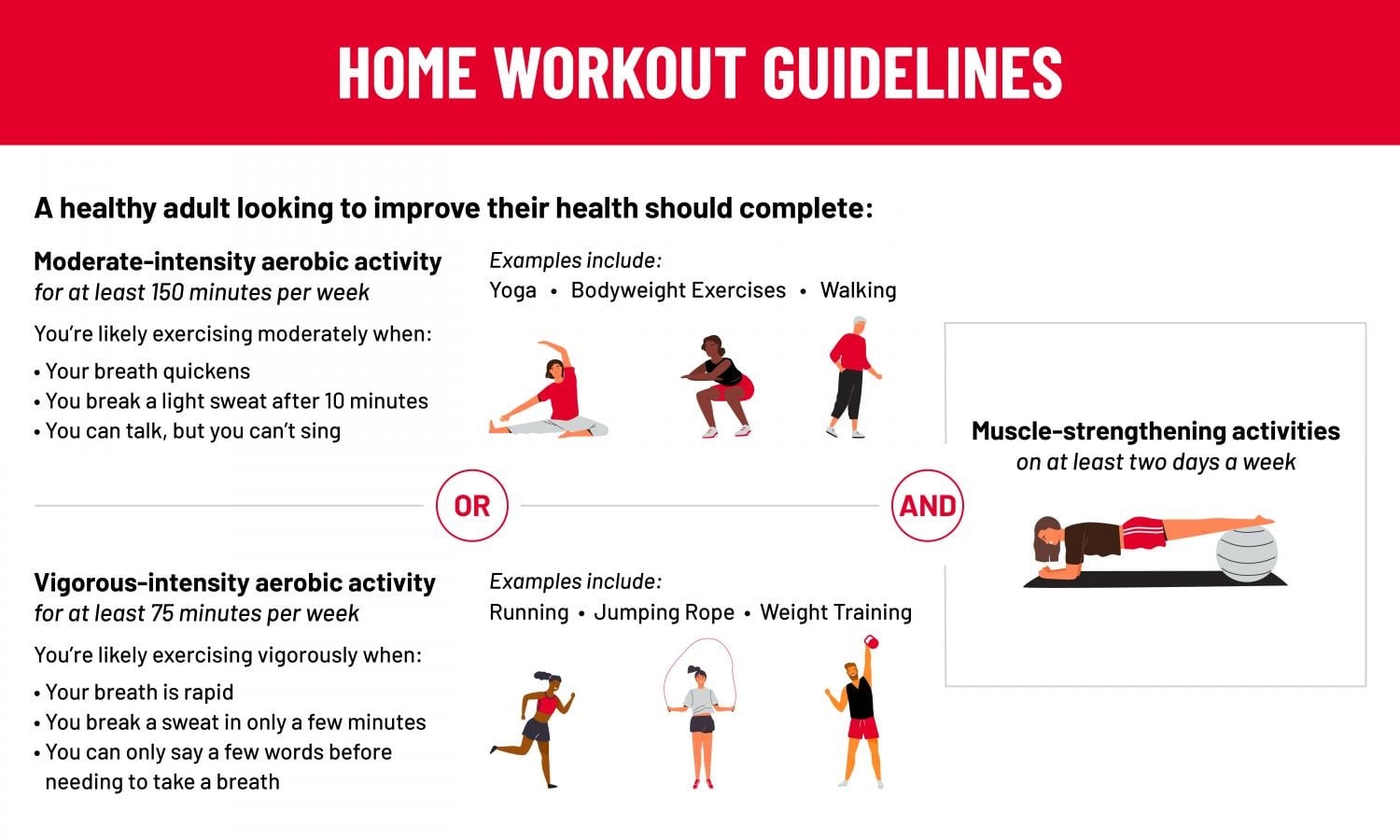
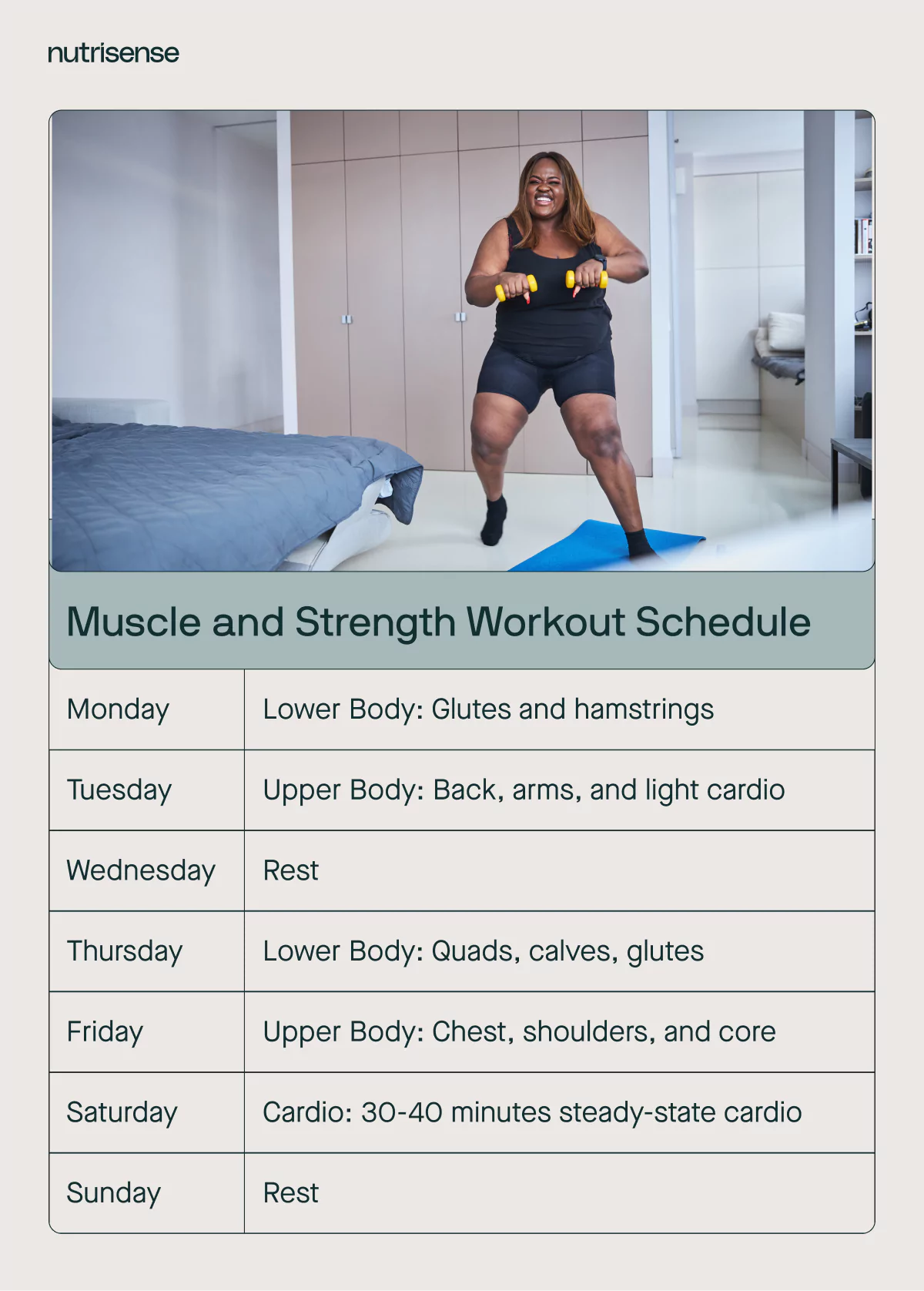
| 💪 Strategic Physical Activity | Exercise, from brisk walking to resistance training, is a powerful stress reliever. It boosts endorphins (your brain's feel-good neurotransmitters) and processes excess stress hormones. | While intense exercise is a short-term stressor, it improves your body's long-term resilience. Regular physical activity increases insulin sensitivity, meaning your body is better able to manage blood sugar. It also builds muscle, which is more metabolically active than fat, turning your body into a more efficient fat-burning machine. |
| ☀️ Morning Sunlight Exposure | Getting 10-15 minutes of direct sunlight shortly after waking helps anchor your circadian rhythm, the body's internal 24-hour clock. | A stable circadian rhythm is vital for hormonal balance. Morning light helps regulate cortisol production, ensuring it peaks in the morning (when you need to be alert) and tapers off in the evening (so you can sleep). This natural rhythm prevents the all-day cortisol elevation that leads to metabolic dysfunction. |
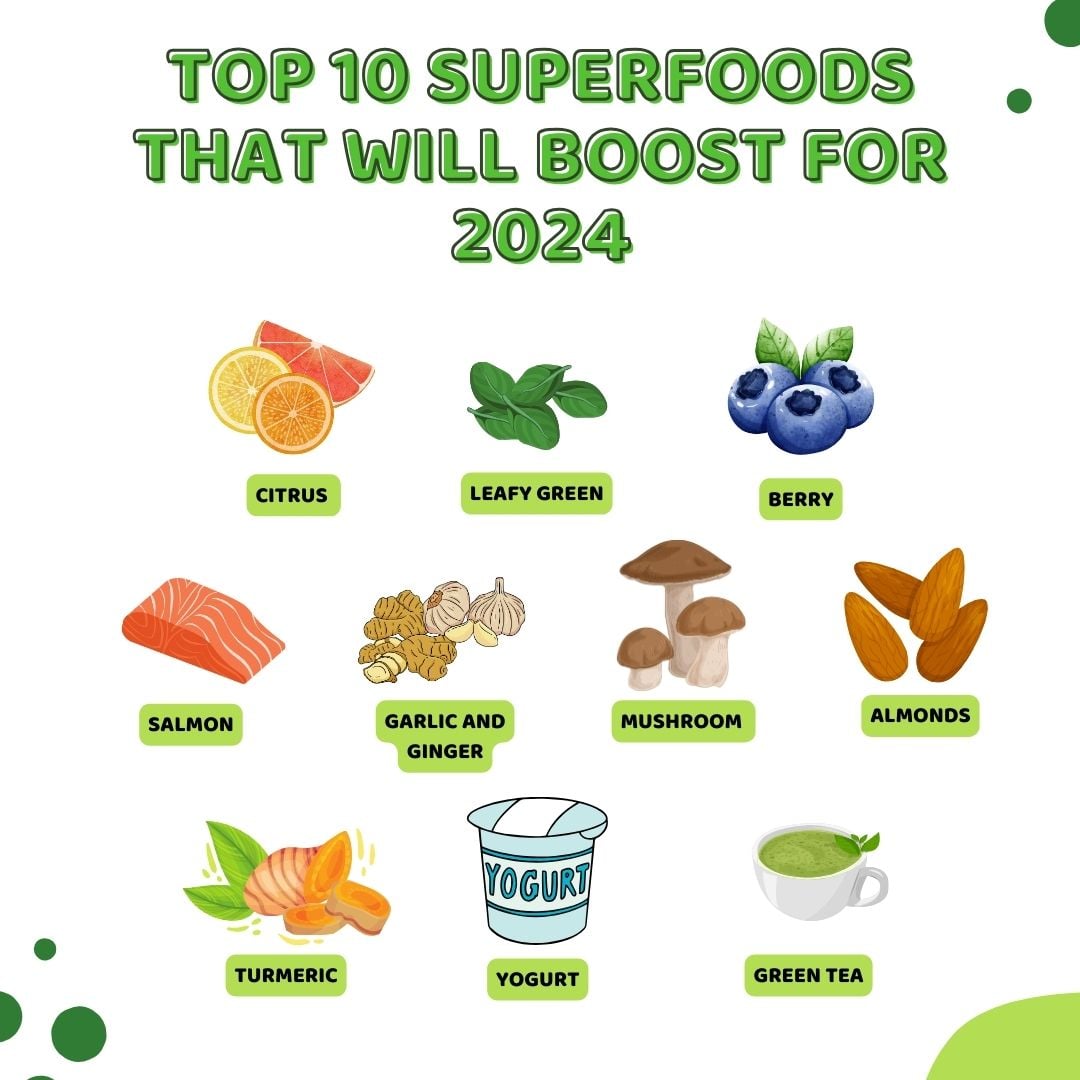
| 🥗 Magnesium-Rich Nutrition | Magnesium is a calming mineral that plays a role in over 300 enzyme reactions in the body, including nerve function and blood pressure regulation. Stress rapidly depletes magnesium stores. | Adequate magnesium levels are crucial for insulin sensitivity and blood sugar control. Foods rich in magnesium, like leafy greens, nuts, and seeds, help replenish what stress takes away, supporting a stable metabolism and preventing stress-induced cravings. |
| 📵 Digital Detox and Reduced Screen Time | Constant notifications and the blue light from screens keep your nervous system in a state of high alert. Scheduling time away from devices allows your brain to relax and reset. | Blue light, especially at night, suppresses melatonin production and disrupts your circadian rhythm. This hormonal chaos can lead to poor sleep, elevated cortisol, and increased insulin resistance. A digital detox directly supports better sleep and, by extension, a healthier metabolism. |
| 🌳 Spending Time in Nature (Forest Bathing) | "Forest bathing," or Shinrin-yoku, is the Japanese practice of immersing yourself in nature. The sights, sounds, and smells of a natural environment have a profound calming effect on the mind. | Studies from Japan show that even short walks in a forest can lower cortisol, reduce blood pressure, and decrease sympathetic nervous system activity ("fight-or-flight"). This natural reset helps counteract the physiological damage of a high-stress urban environment. |
| 😂 Cultivating Social Connections | Positive social interaction and laughter release oxytocin, a hormone that buffers the stress response and promotes feelings of well-being. | Oxytocin has been shown to counteract the effects of cortisol. By fostering strong social bonds, you're building a powerful, natural defense system against stress, which helps keep your cortisol levels in check and your metabolism protected. |
Beyond Techniques: Building a Resilient Lifestyle
Beating stress isn't about using one technique once; it's about weaving these practices into the fabric of your life. Start by choosing one or two that resonate with you and practice them consistently. Over time, you'll build a robust resilience to stress, empowering you to not only feel better mentally but to unlock your body's true fat-burning potential. Your journey to a healthier, leaner body starts with managing what's on your mind.
Frequently Asked Questions
What is the fastest way to beat stress?
The fastest way to beat stress is by using a technique that directly activates the parasympathetic nervous system (the "rest and digest" system). Controlled breathing exercises, like Box Breathing, are extremely effective for immediate relief. Inhaling for 4 seconds, holding for 4, exhaling for 4, and holding for 4 can lower your heart rate and cortisol levels within minutes.
How does stress cause weight gain?
Stress triggers the release of a hormone called cortisol. Chronically high cortisol levels send a signal to your body to store energy as fat, particularly visceral fat around your abdomen. It also increases cravings for high-sugar, high-fat foods and can disrupt sleep and other hormones that regulate appetite, creating a vicious cycle of stress and weight gain.
Can beating stress help me lose belly fat?
Yes, absolutely. Beating stress is a critical component of losing belly fat. The deep abdominal fat, known as visceral fat, is particularly sensitive to the stress hormone cortisol. By using techniques like mindfulness, quality sleep, and proper nutrition to lower your cortisol levels, you directly combat the primary hormonal signal that tells your body to store fat in this area.